
Last updated November 22, 2026
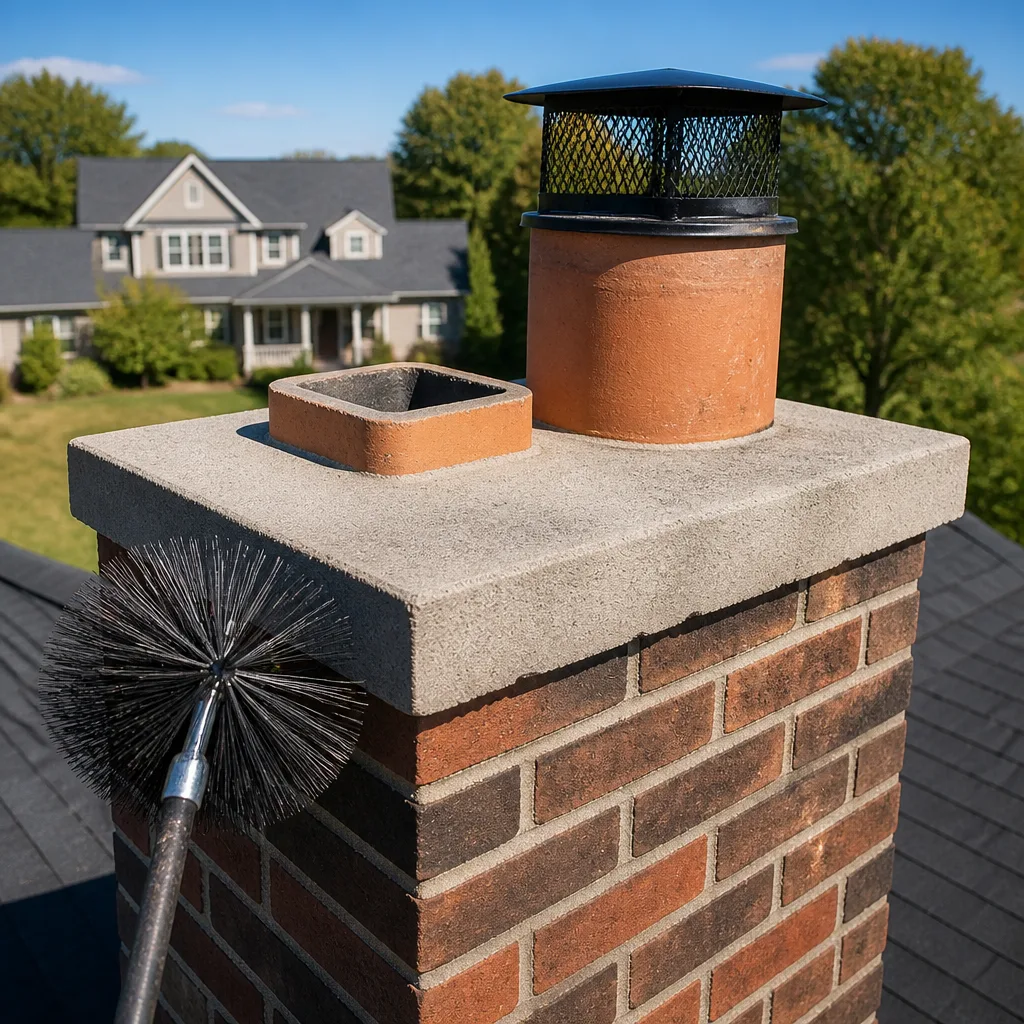 Sweep & inspection
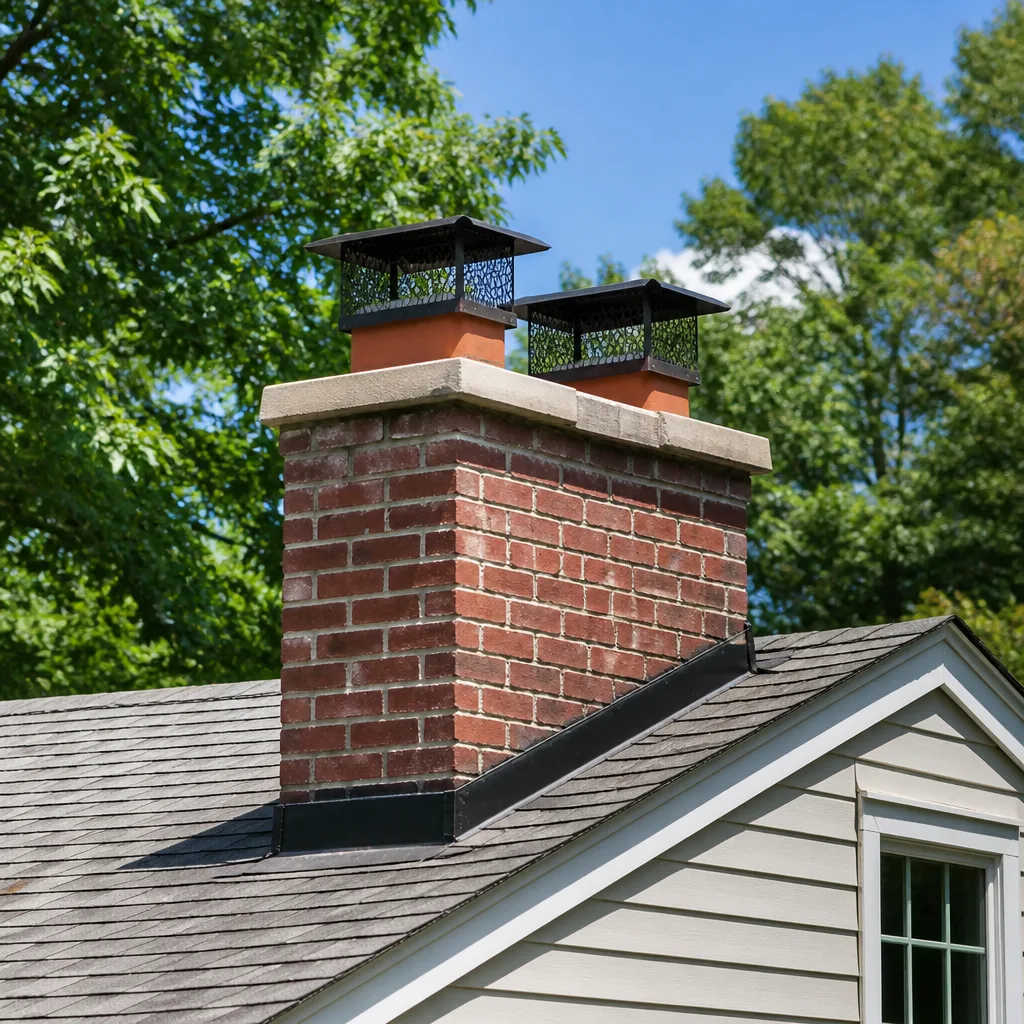 Caps & crowns
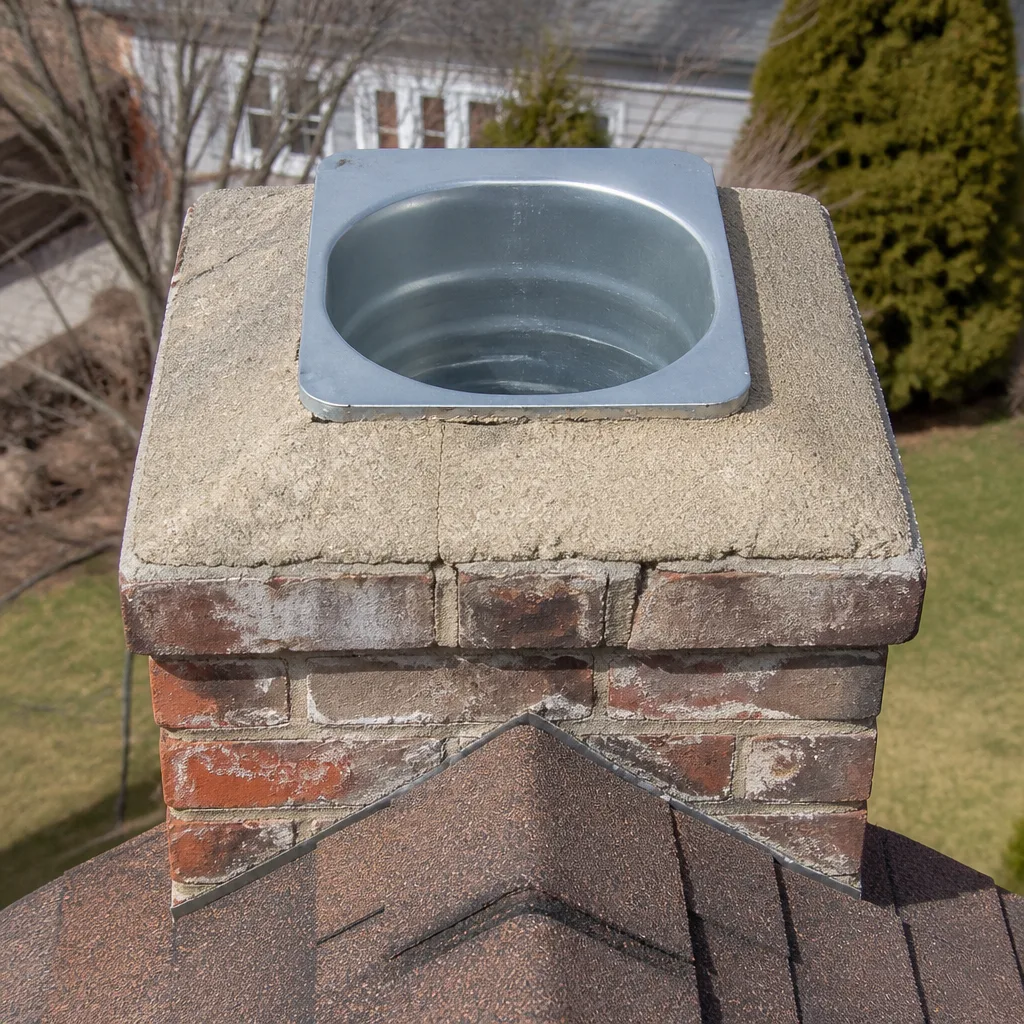 Flue relining
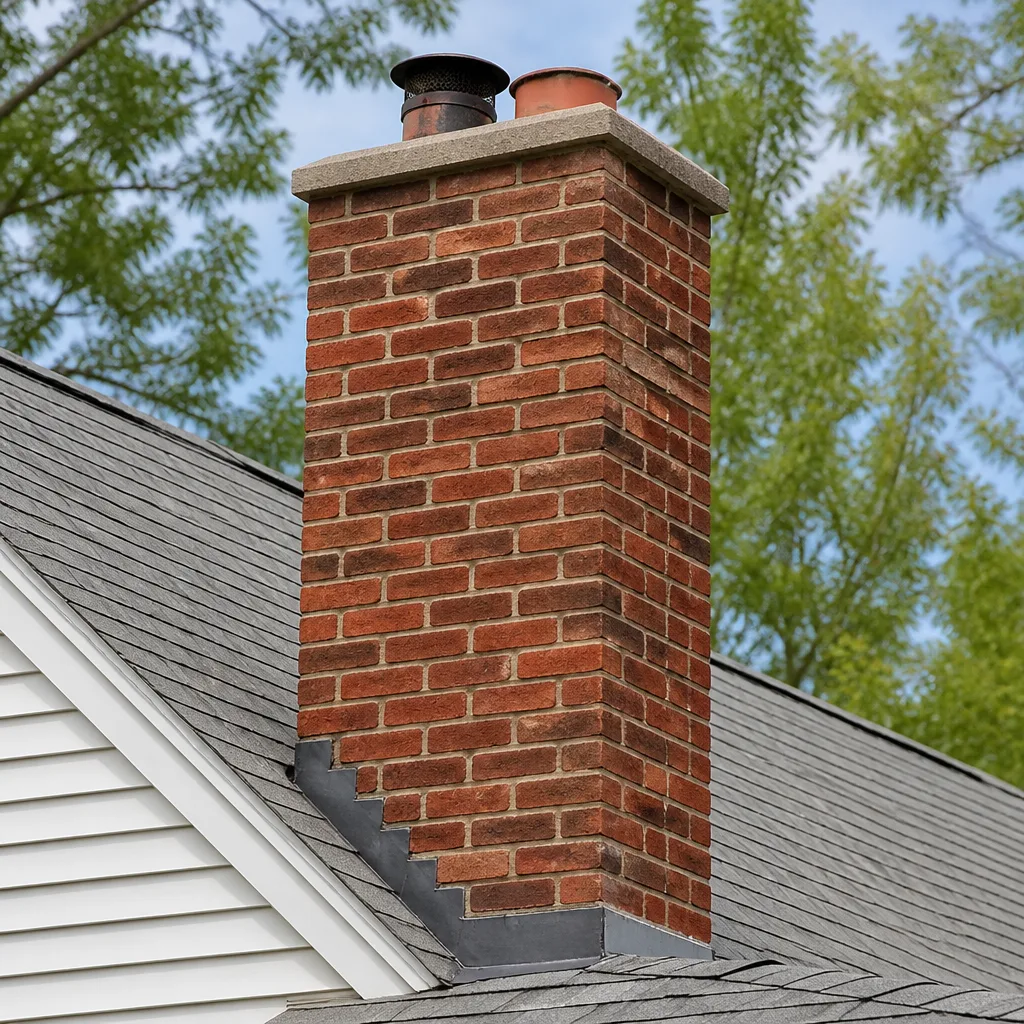 Masonry repair
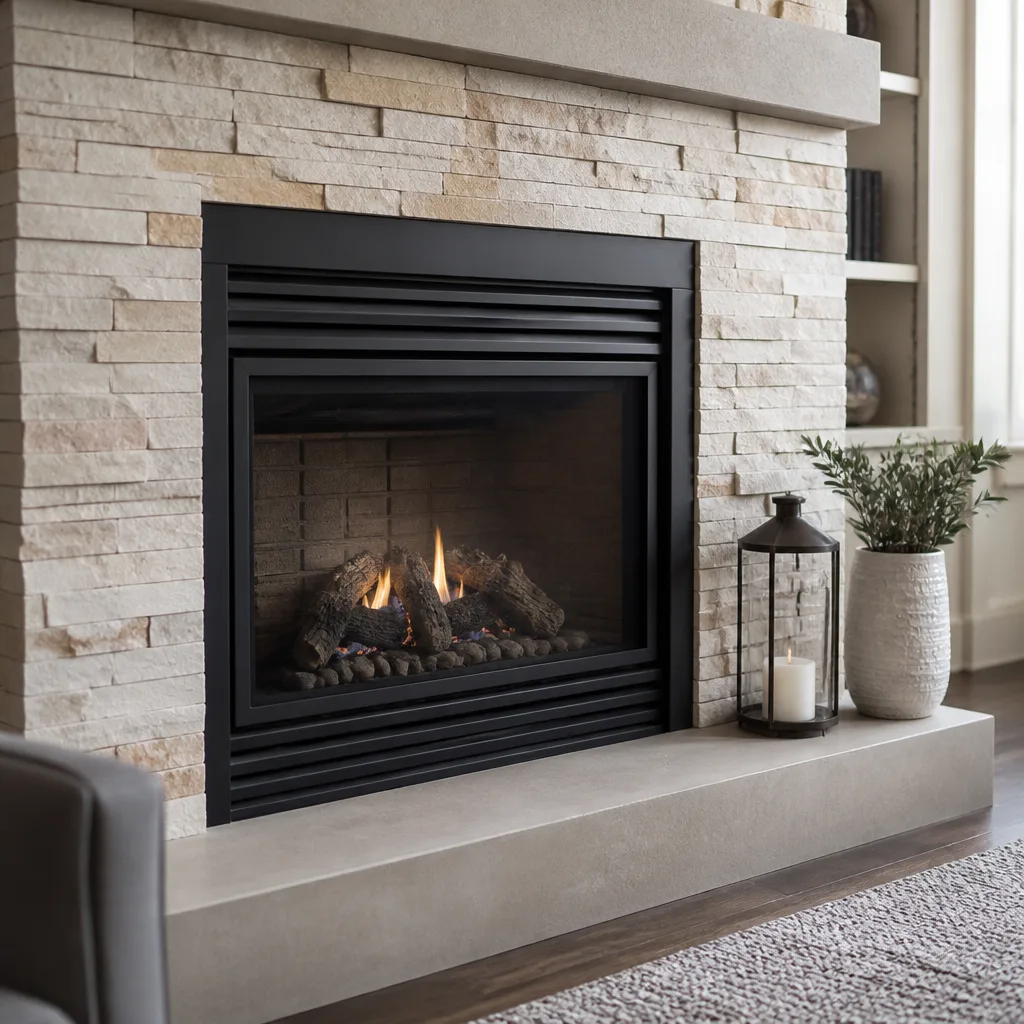 Gas fireplace service
Level 1 sweep and inspection to the NFPA 211 annual standard - flue, crown, cap, and flashing checked and photographed
Chimney sweep logs do not sweep chimneys. They loosen some creosote - which then falls where a brush and vacuum still have to collect it.
The Complete Guide to Chimney Cleaning in Williamsburg
Most homeowners think of chimney cleaning as one job: brush the flue, sweep the ashes, done. That single task is where a lot of trouble starts. A chimney is a system with six working parts, and each one collects a different kind of deposit on a different schedule. Clean the flue and leave the smoke chamber, damper, and liner connections alone, and you’ve handled perhaps half the fire risk in your home. The National Fire Protection Association points to failure to clean as the leading factor in home heating fires, and the reason isn’t laziness. It’s that people don’t know what “clean” is supposed to cover. This guide breaks chimney cleaning in Williamsburg down component by component, shows you how to check the work afterward, and explains when a routine cleaning should become something more.
Quick Answer
Chimney cleaning in Williamsburg means servicing all six parts of the system: flue, firebox, smoke shelf, smoke chamber, damper, and cap. A proper sweep removes creosote and soot from each, checks draft and airflow, and confirms the liner connections are sound. Most homes need it once a year when the fireplace gets regular use, and any glazed or hardened creosote calls for more than standard brushing.
Styles & brands we work with
- Sweep & inspection
- Caps & crowns
- Flue relining
- Masonry repair
- Gas fireplace service
Table of Contents
- What Chimney Cleaning Actually Covers
- The Six Components, One by One
- The Three Degrees of Creosote
- Why Williamsburg Housing Shapes Draft and Buildup
- How Often Should a Chimney Be Cleaned?
- How to Verify the Cleaning Was Done Right
- When Cleaning Becomes a Level 2 Inspection
- What Chimney Cleaning Costs in Williamsburg
What Chimney Cleaning Actually Covers
Chimney cleaning is the removal of creosote, soot, and debris from every surface that exhaust passes over, not just the straight run of flue pipe. That distinction matters because the deposits that cause chimney fires don’t all form in the same place. Soot settles in the firebox and along the smoke shelf. Creosote condenses where hot gas cools, which is often higher up the flue and around the damper and smoke chamber. A brush run once down the flue touches only part of that picture.
A complete cleaning in our view includes:
- The flue: brushed top to bottom with the right size and stiffness of brush for the liner type.
- The firebox: soot and ash scraped from the walls, floor, and the damper frame.
- The smoke shelf: the ledge behind the damper where debris piles up and restricts flow.
- The smoke chamber: the sloped area above the damper, often the most neglected surface in the system.
- The damper: checked for free movement and a tight seal when closed.
- The cap: inspected for blockage from birds, leaves, and nesting material, which is a common cause of poor draft.
We treat cleaning as a full-system service for that reason. If a sweep only handles the flue, you get a cleaner chimney but not necessarily a safer one.
The Six Components, One by One
Each part of a chimney needs its own method, its own tool, and its own check. Here’s what “cleaning” means for each, and why skipping one weakens the rest.
1. The Flue
The flue carries exhaust out of the house, and it’s where most creosote condenses. Cleaning means brushing the full length with a brush matched to the liner material. A stainless liner, a clay tile liner, and a masonry flue all take different brush types, and using the wrong one can score a liner or miss glaze entirely. The flue is also where we look for cracked tiles, gaps at joints, and any sign that the liner has separated from the chimney wall.
2. The Firebox
The firebox is the box the fire sits in, and it takes the most heat. Cleaning means removing soot and ash from the walls and floor, then checking the brick and mortar joints for spalling or cracked mortar. Heat cycling opens mortar joints over time, and a firebox that’s losing mortar is a firebox that’s letting heat where it shouldn’t go.
3. The Smoke Shelf
The smoke shelf is the flat ledge just behind the damper. It exists to catch falling debris and redirect smoke, which means it also catches a lot of creosote and soot. Cleaning it requires reaching behind the damper, and a brush down the flue won’t touch it. A loaded smoke shelf cuts draft and sends smoke into the room.
4. The Smoke Chamber
The smoke chamber is the sloped, corbelled section between the damper and the bottom of the flue. It’s where smoke compresses and accelerates on its way up, and its angled surfaces collect creosote in ways the flue doesn’t. In our experience, this is the single most overlooked component in a home cleaning. Many older chambers are rough-surfaced, which gives deposits more to grab onto. Smoothing a rough chamber with a product like HeatShield is a specialized fix most basic sweep companies can’t offer.
5. The Damper
The damper is the metal door that seals the flue when the fireplace is out of use. Cleaning around it means scraping the frame and checking that the plate opens fully, closes tight, and isn’t warped or rusted. A damper that won’t seal lets conditioned air up the chimney year-round and lets cold air down when the fire is out.
6. The Cap
The cap sits on top and keeps water, animals, and debris out. Cleaning means checking the screen or mesh for blockage and confirming the cap is still firmly attached. A clogged cap is one of the most common reasons a fireplace smokes, and it’s often the last thing anyone thinks to check. If the cap is missing or damaged, a proper chimney cap & crown install protects the whole system from water intrusion.
The Three Degrees of Creosote
Creosote is the tar-like residue left when wood smoke cools against the chimney walls, and it doesn’t form in one uniform state. Fire safety professionals sort it into three degrees, and the difference decides what kind of cleaning the chimney actually needs.
- First degree: light, flaky soot and dust. It brushes off with a standard flue brush. This is the only degree that ordinary brushing handles safely.
- Second degree: a crusty, hardened layer that clings to the liner. Brushing alone won’t remove it, and forcing it can damage the liner. It takes chemical treatment or rotary cleaning with the right tooling.
- Third degree: glazed, hardened creosote that looks like tar or glass. This is the most flammable form, and it can’t be brushed off at all. Glazed deposits usually point to a liner that’s compromised or a fire that’s been run too cool, and they call for evaluation before the chimney is used again.
We tell you which degree we’re seeing and what it means. First-degree deposits are routine. Second-degree needs extra work. Third-degree is a stop-and-assess situation, and it’s one of the main triggers for escalating to inspection.
Why Williamsburg Housing Shapes Draft and Buildup
Chimney performance depends as much on the building it sits in as on the chimney itself. Williamsburg’s housing stock – rowhouses, older walkups, and converted loft buildings – creates a few conditions that affect how often a chimney needs cleaning and how well it drafts.
Rowhouses share walls and often share chimney stacks, which means a flue can pick up draft interference from a neighbor’s chimney. When two flues on the same stack are at different heights or one is capped and the other isn’t, one can pull air down the other. That backdraft pushes smoke and creosote into the wrong places and can accelerate buildup. Converted loft spaces add another wrinkle: a fireplace that used to serve a larger room may now sit in a smaller, tighter space with new windows and doors that change the air pressure the chimney relies on. Sealing a building up tight cuts the makeup air a fireplace needs, and a fireplace starved for air drafts poorly and smokes.
Older Williamsburg buildings also tend to have original masonry chimneys with clay tile liners, and those tiles crack with age. A cracked liner lets creosote and heat reach framing that was never meant to see either. When we sweep a Williamsburg chimney, checking liner integrity is part of the job, not an add-on. If we find damage, we can address it without sending you to a second contractor, up to and including a flexible stainless reline with a system like DuraFlex.
How Often Should a Chimney Be Cleaned?
The general rule is once a year for a chimney in regular use. That’s the baseline most chimney professionals and fire safety organizations recommend, and it holds whether you burn a few cords a season or just use the fireplace on cold evenings. The annual cleaning is also the annual inspection, because the sweep is the moment someone is actually looking at every surface.
Some homes need more frequent attention:
- Heavy burners who run a fire most days of the heating season.
- Homes burning unseasoned or green wood, which produces far more creosote than dry, seasoned wood.
- Fireplaces with a history of smoking or backdraft, which points to a draft problem that also affects buildup.
- Chimneys with an older clay tile liner, where cracked tiles can let deposits settle in places brushing misses.
- Homes where the fireplace has sat unused for a season or more, because animals, leaves, and moisture can move in during the off months.
A good habit is to book the cleaning before the heating season starts, so you’re not waiting when the first cold snap hits. You can call us to arrange a chimney sweep and we’ll give you a written estimate before any work begins.
How to Verify the Cleaning Was Done Right
You shouldn’t have to take a sweep’s word for it. Cleaning is a service you can’t see happening from the living room, which is exactly why some homeowners worry they’ve paid for a job that wasn’t finished. Here are the checkpoints you can run yourself once the technician leaves.
- Look up the flue with a flashlight. You should see clean liner surfaces, no loose soot, and no visible cracks or gaps at the tile joints.
- Check the firebox floor and walls. Soot and ash should be gone, and you shouldn’t see fresh piles of debris sitting in the box.
- Reach behind the damper. The smoke shelf should be clear. If a ridge of soot is still sitting there, that component wasn’t cleaned.
- Open and close the damper. It should move freely and seal snugly when shut.
- Check the cap from outside or with a mirror. The mesh should be clear, and the cap should be firmly seated.
- Ask what the technician found, not just whether it was cleaned. A good sweep tells you the condition of each component, not simply “all done.”
A company that treats cleaning as a system will have answers for all six. If the report only mentions the flue, that’s a sign other components were skipped. This is also why we inspect before and after, so you know what changed and why.
When Cleaning Becomes a Level 2 Inspection
NFPA 211 sets the standard for chimney inspections, and it defines levels by how much of the system gets examined. A basic cleaning typically pairs with a Level 1 visual inspection, which covers the readily accessible parts of the chimney and fireplace. A Level 2 inspection goes further: it uses video scanning to look inside the flue and examines concealed areas, and it’s required in specific situations.
A cleaning should escalate to a Level 2 inspection when any of these apply:
- You’re buying or selling the home, and the transaction needs a formal report.
- The chimney has had a fire, a sudden event, or an earthquake, or you suspect damage you can’t see.
- The liner has been replaced or the appliance changed, such as switching from wood to a gas insert.
- A sweep finds glazed creosote or signs of a prior chimney fire.
- You’re changing the fuel type or the chimney has sat unused for a long stretch.
We offer chimney inspection as a standalone service, not only bundled into a cleaning, which matters for buyers, sellers, and anyone responding to an insurance request. If the inspection turns up a failed liner, a chimney repair can follow from the same company, using professional-grade materials like Gelco or Olympia Chimney components. For a deeper look at the inspection process, see our Chimney Sweep Williamsburg overview.
What Chimney Cleaning Costs in Williamsburg
Chimney cleaning in Williamsburg typically runs $180 to $350 for a standard single-flue sweep, with the price depending on how accessible the flue is, how much buildup is present, and whether the firebox and smoke chamber need extra attention. Prices are estimates and the written estimate sets the final price.
- Standard flue sweep with basic firebox cleaning: estimated $180 to $280.
- Full-system cleaning covering flue, firebox, smoke shelf, smoke chamber, and damper: estimated $250 to $350.
- Second-degree creosote removal needing chemical or rotary treatment: estimated $300 to $450.
- Standalone Level 2 inspection with video scanning: estimated $250 to $400, depending on the number of flues.
We give a flat, written price before we start, so there’s no surprise addition afterward. If a sweep turns up something that needs repair, we tell you what we found and what it means, and you decide whether to schedule it. Nothing gets recommended without evidence you can see – photos, a look up the flue, an explanation of what we observed. When something can safely wait, we say so.
Common Mistakes to Avoid
We’ve seen the same handful of errors cause most of the preventable chimney problems in Williamsburg. Here’s what to watch for:
- Cleaning only the flue. A brushed flue with a loaded smoke chamber and a rough smoke shelf is half clean and still a fire risk. Insist on all six components.
- Burning green or damp wood. Wet wood produces far more creosote than seasoned wood, and it’s the fastest way to turn a first-degree deposit into third-degree glaze.
- Skipping the cap. A missing or degraded cap lets rain, birds, and debris into the flue and shortens the life of the liner. It’s a small fix with an outsized effect.
- Ignoring the smoke chamber because it’s hard to reach. The sloped chamber is where creosote often concentrates, and it’s the component most often left out of a cheap sweep.
- Assuming a crack is harmless. Cracks in clay tile liners let heat reach framing, and a liner that’s compromised should be evaluated, not just swept.
- Booking only after the first bad smoke day. Whatever made the fireplace smoke back is usually easier to fix before the heating season than during it.
- Never checking the work. You can run the six checkpoints above in a few minutes. If something was missed, say so and ask for it to be done.
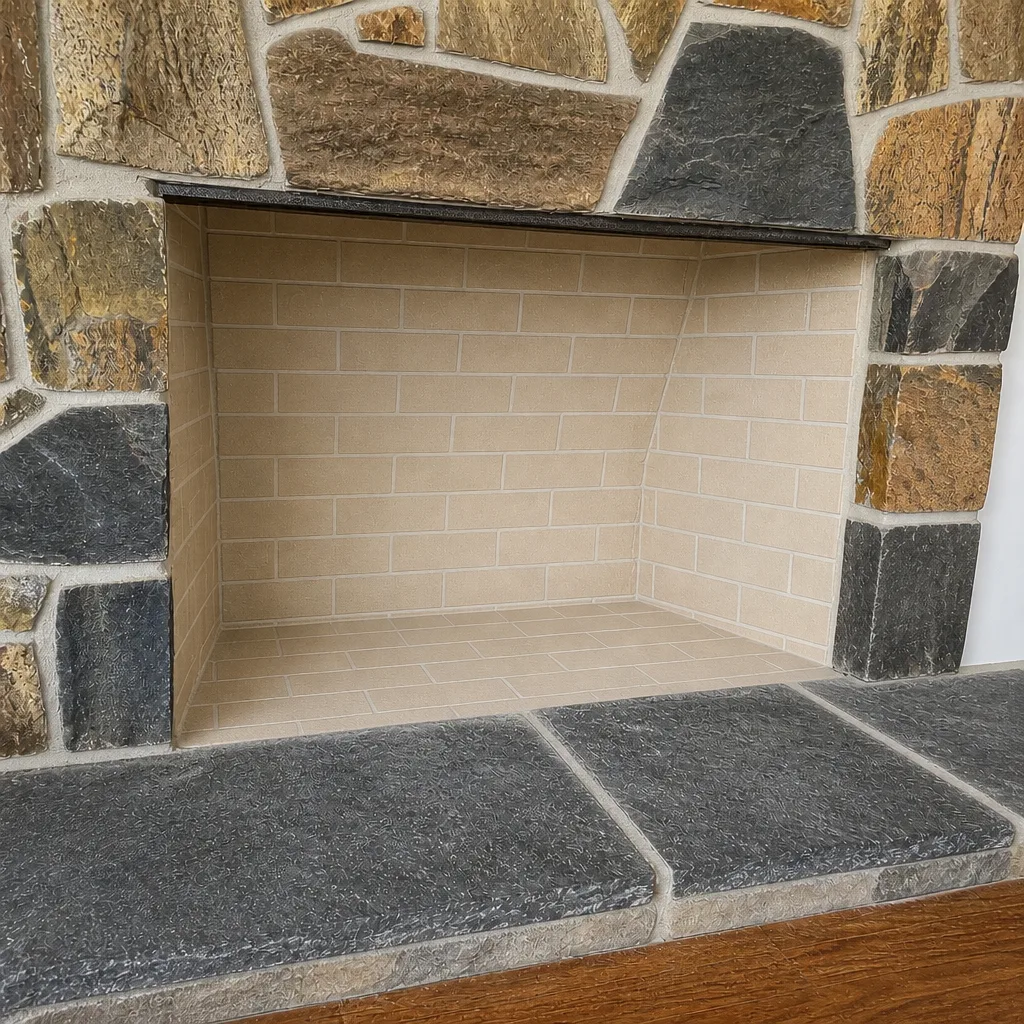
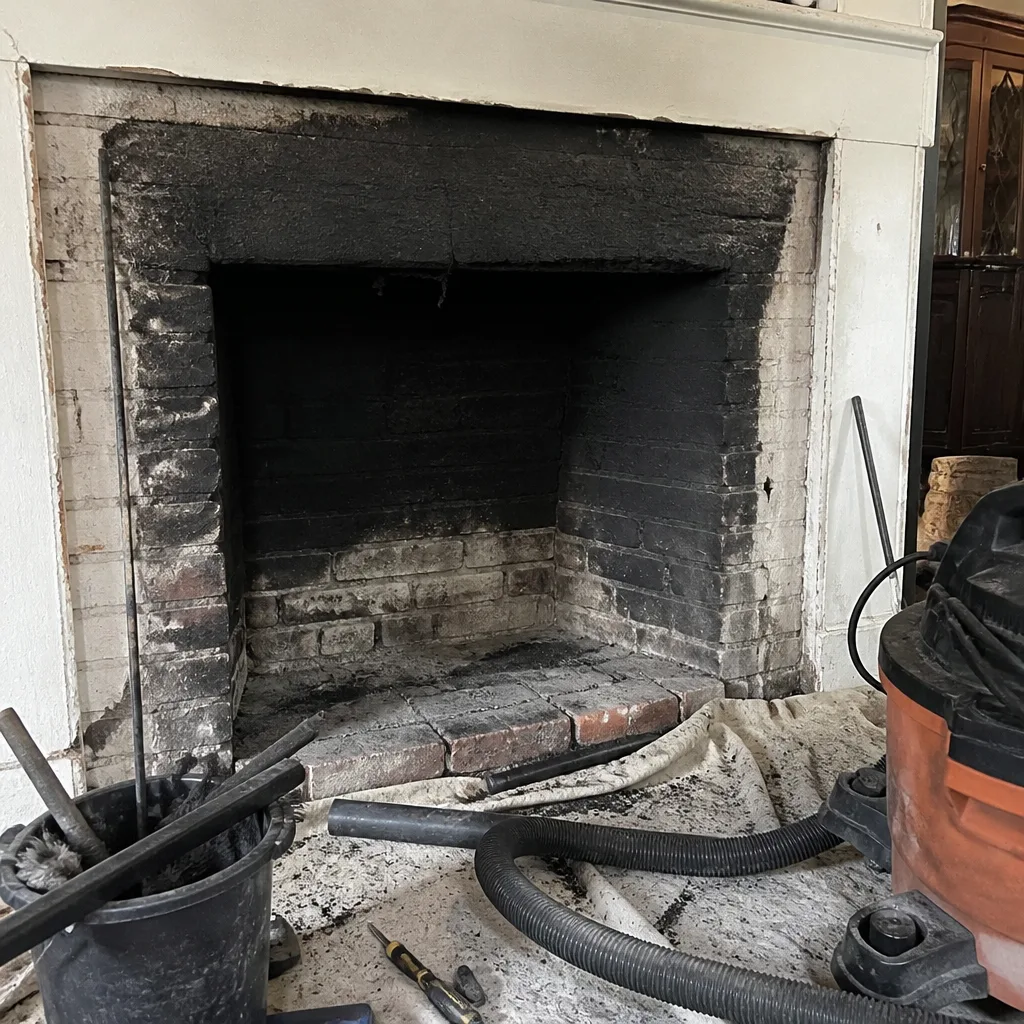
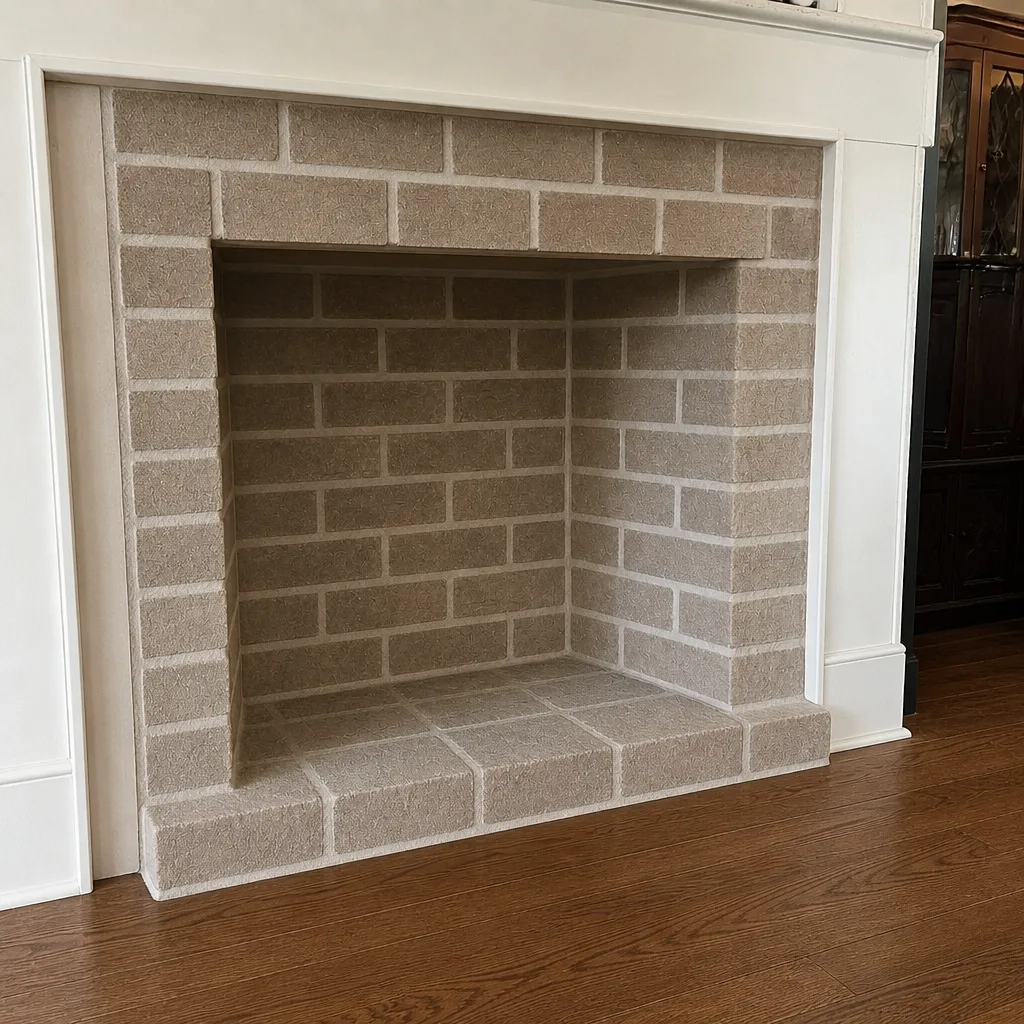
See the difference
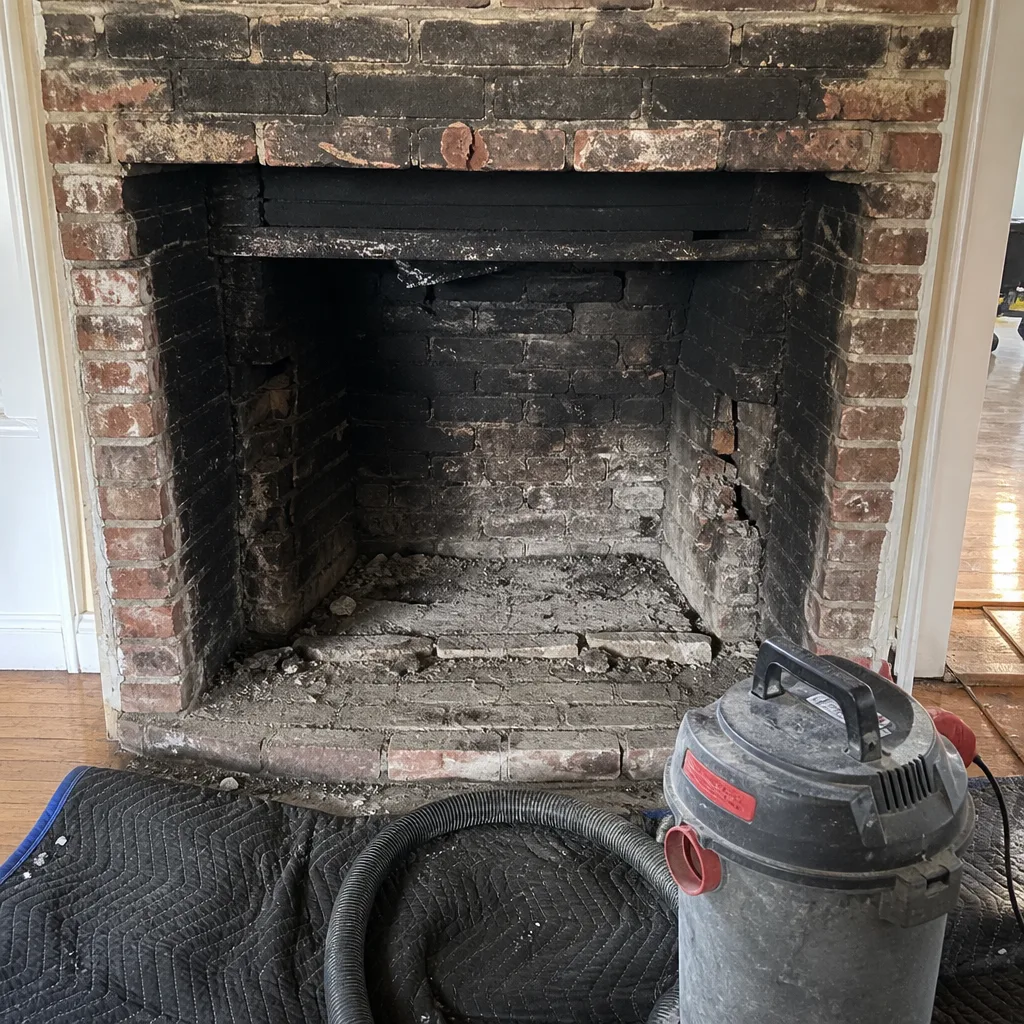 Before
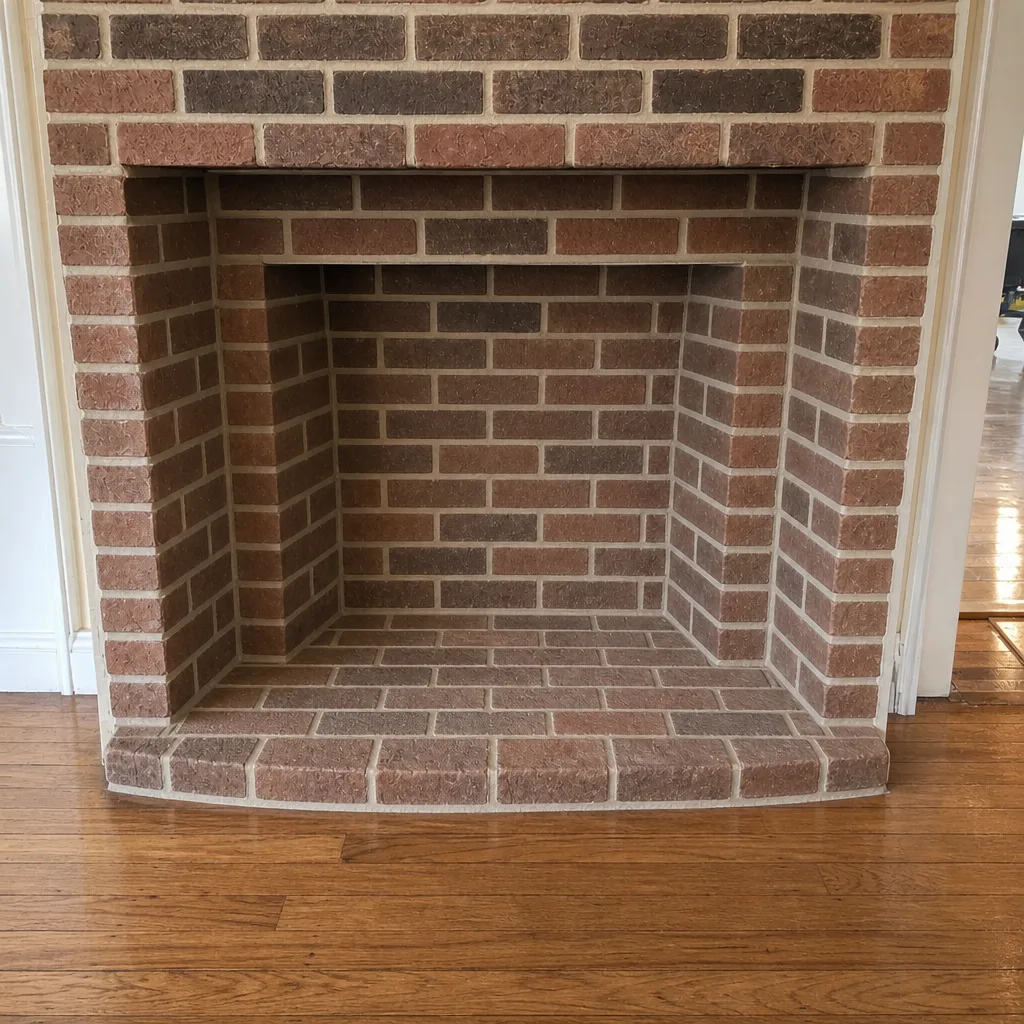 After
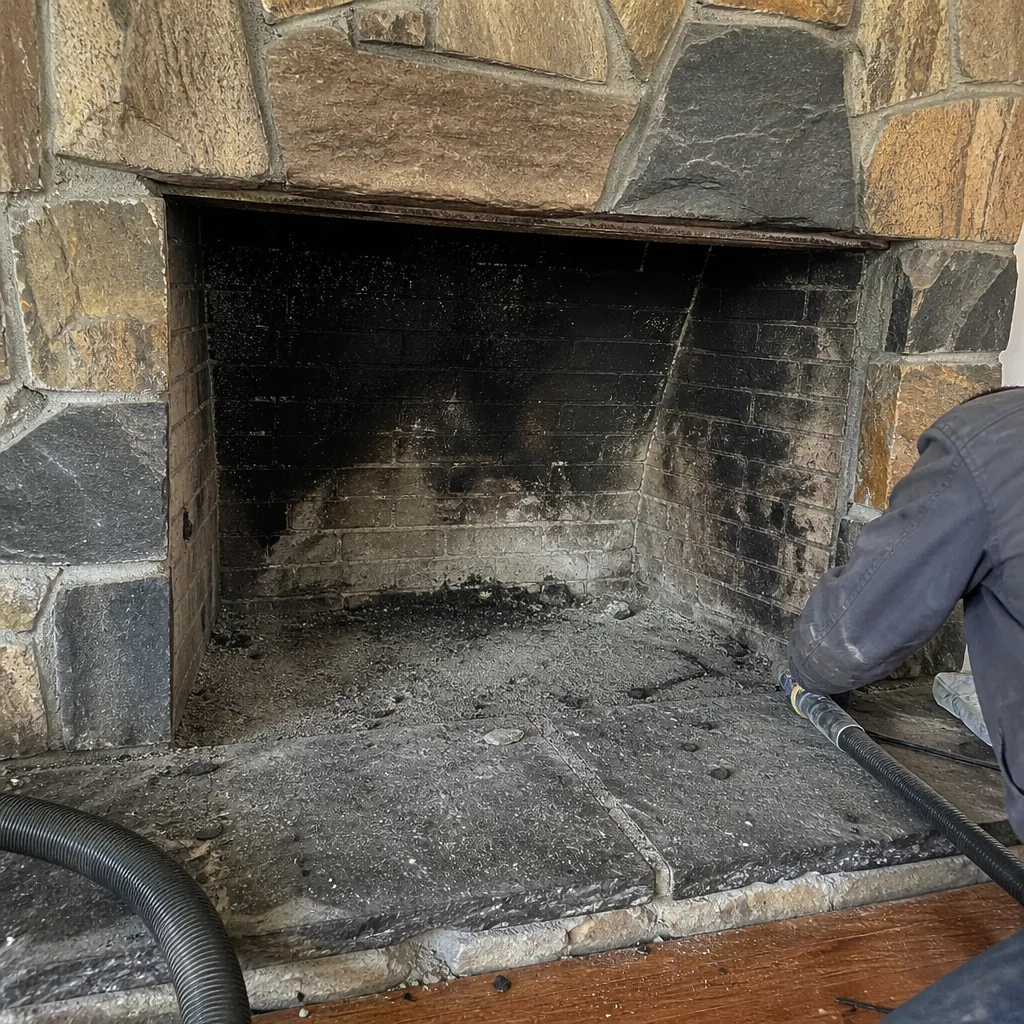 Before
 After
 Before
 After
When to Call a Professional
Some chimney work is hands-off for a reason. The flues are tall, the spaces are tight, and a fall or a creosote exposure isn’t worth the risk. Call a professional if you’re seeing glazed creosote, if the fireplace smokes into the room, if you smell creosote or gas when the fire is out, if there’s water staining around the firebox, or if a home inspection flagged the chimney and you need a formal report. You should also call when buying or selling a home in Williamsburg, or when your insurer asks for documentation. Chimney Sweep Williamsburg offers free estimates in Williamsburg – call (855) 301-8570. We answer 24/7, and dispatch runs 7am to 7pm, Sunday through Friday.
Frequently Asked Questions
A standard single-flue cleaning in Williamsburg typically runs $180 to $350, and a full-system clean covering flue, firebox, smoke chamber, and damper is usually in the $250 to $350 range. The written estimate sets the final price, and we give it before we start. Call (855) 301-8570 for an exact quote – estimates are free.
Once a year for a chimney in regular use, and more often if you burn heavily or use unseasoned wood. The annual sweep doubles as the annual inspection, since it’s the moment someone looks at every component. If your fireplace smokes or you smell creosote, book right away rather than waiting for the annual cycle. Call (855) 301-8570 to schedule.
Not always. A liner needs replacement when it’s cracked, separated, or damaged by a chimney fire, but a liner that’s intact can be cleaned and left alone. If the liner is rough or deteriorated, resurfacing with HeatShield can restore it, while a badly compromised liner may call for a flexible stainless reline with DuraFlex. We show you what we find before recommending anything, and when something can wait, we say so. Call (855) 301-8570 for an inspection and estimate.
Creosote accumulates in every component that carries smoke, and the deposits harden over time into the flammable glazed form that standard brushing can’t remove. That raises the risk of a chimney fire and can damage the liner. A clogged cap or smoke shelf also causes backdraft, which pushes smoke into the room. To have the full system checked before the heating season, call (855) 301-8570.
Often we can, yes, depending on the day’s schedule. We answer 24/7, and a call outside dispatch hours is booked into the next opening, Sunday through Friday, 7am to 7pm. Call (855) 301-8570 and we’ll find the soonest slot for a sweep or an inspection.
Yes. Our work covers the fireplace as part of the system, from firebox mortar and damper repair to cap and crown work and full liner service. Fireplace problems often start above the firebox, so we trace the cause before recommending a fix. Call (855) 301-8570 for a free estimate.
The Bottom Line
Chimney cleaning in Williamsburg is a full-system job, not a flue brush. The flue, firebox, smoke shelf, smoke chamber, damper, and cap each collect different deposits on their own schedule, and skipping any one of them leaves the system compromised. Creosote degree matters just as much: first-degree deposits brush away, but glazed creosote needs treatment and possibly a Level 2 inspection. Williamsburg’s rowhouse and loft stock adds draft and airflow challenges that regular cleaning helps catch early. You can verify the work yourself using the checkpoints in this guide. When the time comes, book the cleaning before the heating season and have every component checked.
Chimney Sweep Williamsburg connects you with independent local professionals who clean and inspect the whole system and work with brands like DuraFlex, HeatShield, and Olympia Chimney. Call (855) 301-8570 for a free estimate. We answer 24/7, and dispatch runs 7am to 7pm, Sunday through Friday. Ask for the full-system cleaning, and we’ll show you what we find.
Written by the team at Chimney Sweep Williamsburg.