
Last updated November 22, 2026
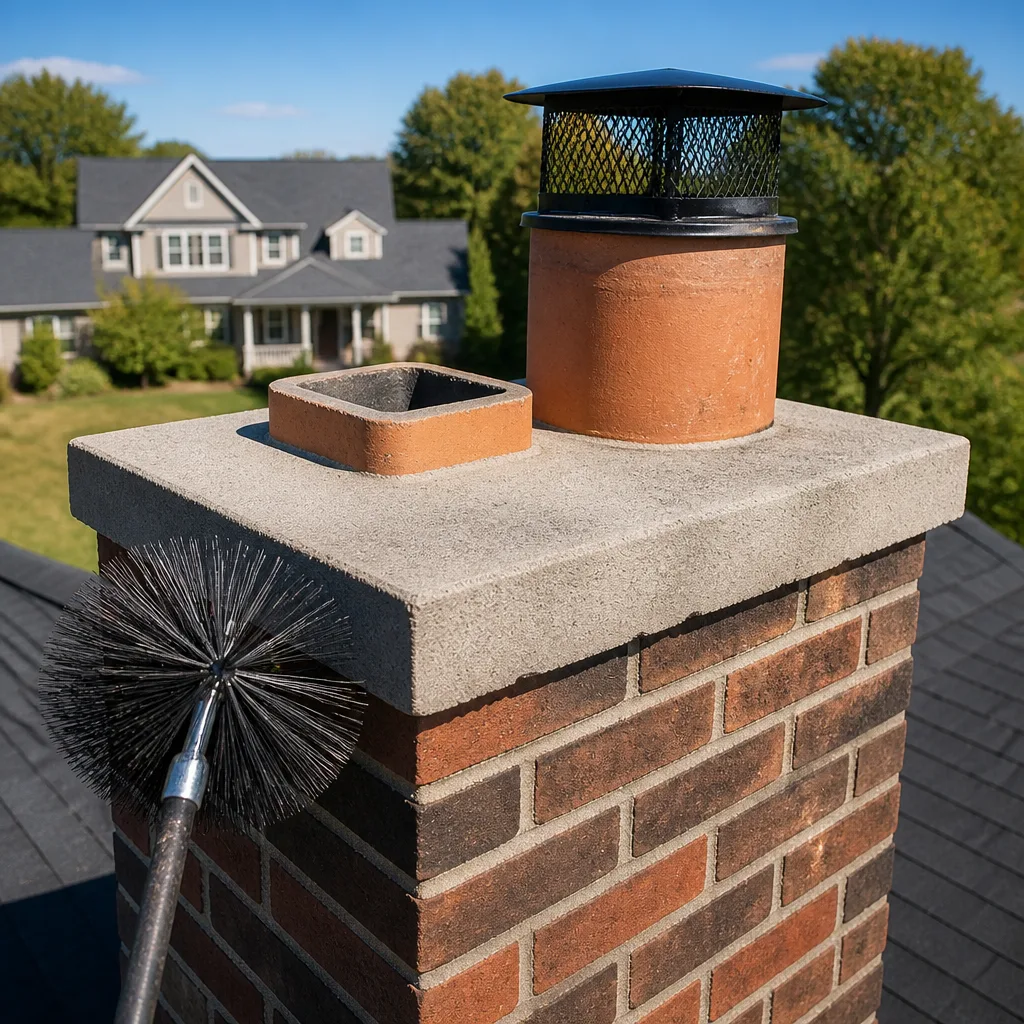 Sweep & inspection
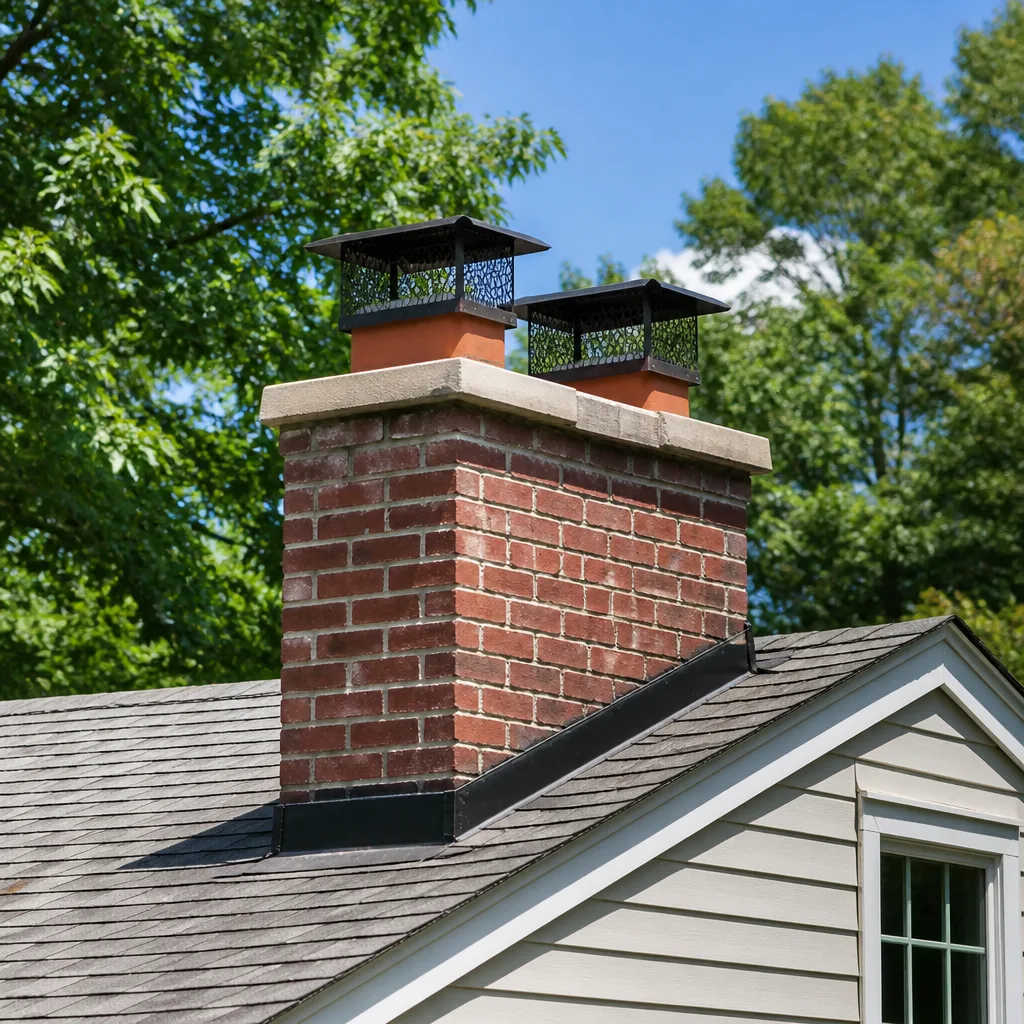 Caps & crowns
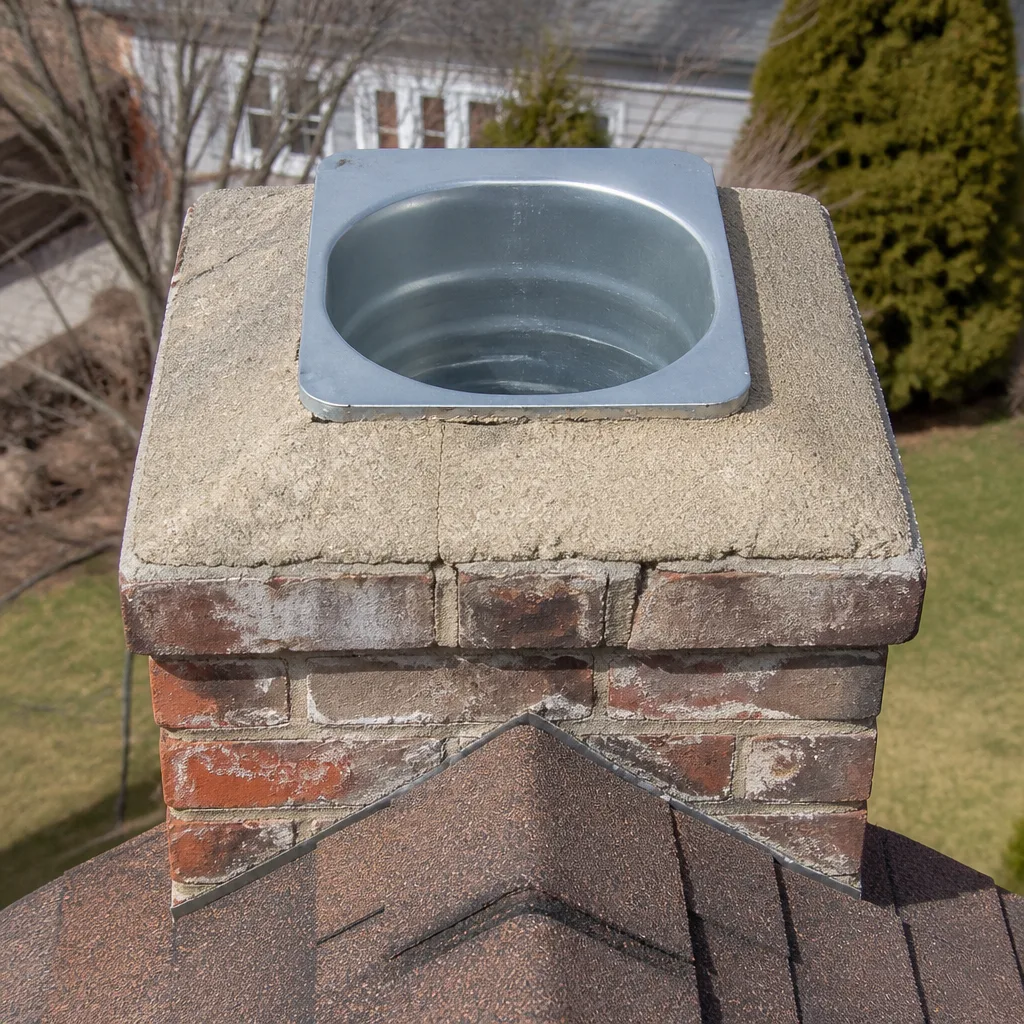 Flue relining
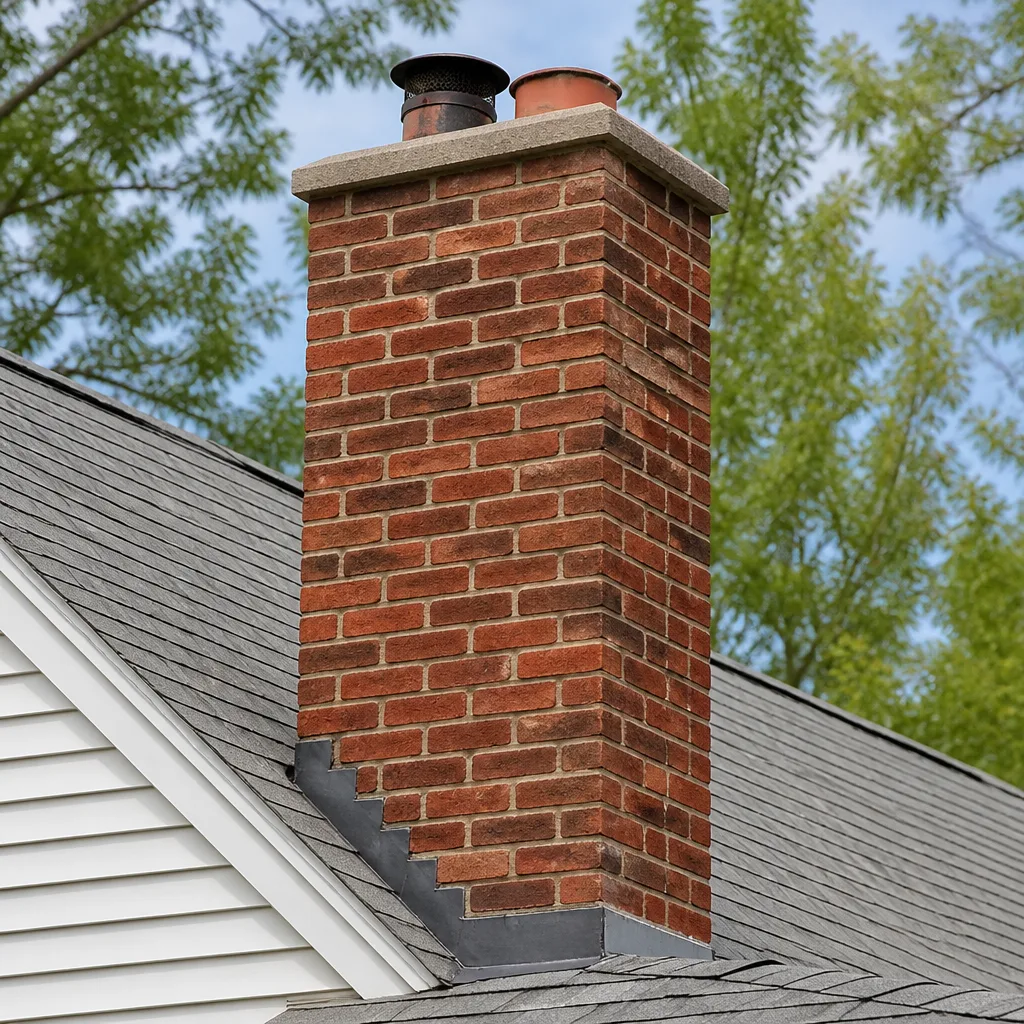 Masonry repair
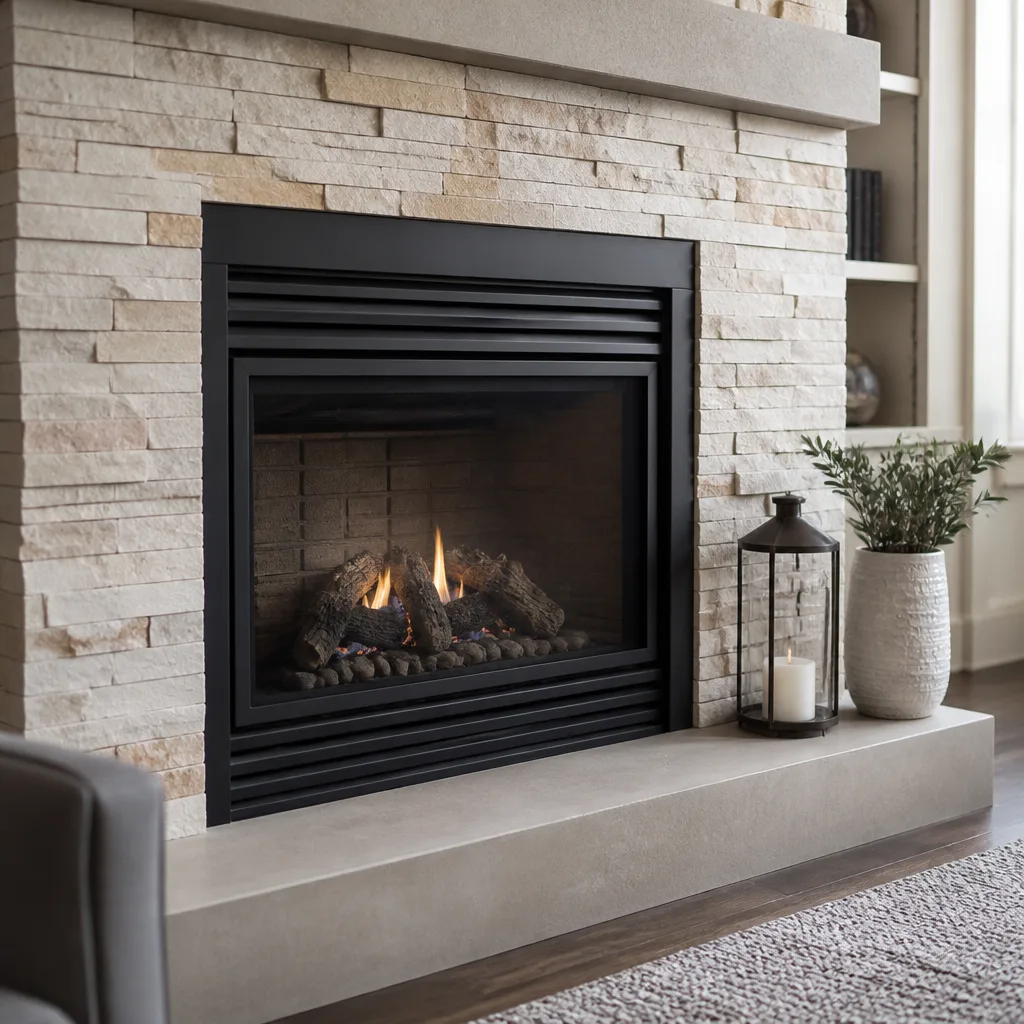 Gas fireplace service
Level 1 sweep and inspection to the NFPA 211 annual standard - flue, crown, cap, and flashing checked and photographed
Chimney sweep logs do not sweep chimneys. They loosen some creosote - which then falls where a brush and vacuum still have to collect it.
Seasonal Chimney Cleaning Care for Williamsburg: Year-Round Homeowner’s Guide
Most chimney advice tells you to book a cleaning in the fall, right before the first fire. We think that’s backwards. A chimney that sat idle from spring through late summer didn’t stay clean while you weren’t using it. It collected moisture, nesting material, and the slow creep of liner wear during the warm months when nobody was looking up the flue. By the time October arrives, a problem found in a fall sweep often can’t be fixed before heating season starts. This guide walks through what actually happens inside an unused chimney here in Williamsburg, why the most useful maintenance window is late spring, and how to read the warning signs month by month.
Quick Answer
The best time to schedule chimney cleaning and inspection in Williamsburg is late spring, just after your last fire of the season, not the fall. A spring visit catches creosote glazing and fire damage before they harden further and gives you the whole summer to complete any cap, crown, damper, or liner repairs before you need the fireplace again. A fall appointment is still worth having for draft testing and cap checks, but it should confirm a system that’s already been maintained, not discover problems with no time left to solve them.
Styles & brands we work with
- Sweep & inspection
- Caps & crowns
- Flue relining
- Masonry repair
- Gas fireplace service
Table of Contents
- What Actually Happens Inside an Unused Chimney, April Through August
- Why Spring Cleaning Beats Fall Cleaning
- Fall Preparation Is Not the Same as Cleaning
- Winter Warning Signs: What Waits and What Can’t
- Month-by-Month Reference Card for Williamsburg Homeowners
- How a Seasonal Visit Actually Goes
- Common Mistakes to Avoid
- When to Call a Professional
What Actually Happens Inside an Unused Chimney, April Through August
A fireplace that goes cold in March doesn’t go dormant. It becomes a passive catch for everything the warm months throw at it, and Williamsburg’s humid summers do most of that work. The flue is a tall, cool, open column of air that water vapor and heat are drawn to, and the masonry around it is porous by nature. Here’s what we look at when we open a chimney in early summer that hasn’t been touched since the previous heating season.
- Moisture intrusion. Rain and humid air enter through a missing or damaged cap, a cracked crown, or an open flue, and once water gets into the masonry it has nowhere fast to go. Brick and mortar absorb it, and the interior of the flue stays damp for weeks.
- Biological growth. Damp, dark, sheltered surfaces are exactly where algae, moss, and lichen take hold on the outside of the chimney, and where mold can grow on the interior of a flue that never dries out.
- Animal intrusion. Chimney swifts, squirrels, and birds are drawn to an uncapped flue as shelter. Nesting material builds up and blocks the flue opening, and that material is highly combustible once a fire is lit beneath it.
- Masonry spalling from heat cycling. Summer afternoons heat the chimney’s exterior while the interior stays damp and cool. That repeated expansion and contraction, combined with water freezing in tiny pores on a cold night, breaks down mortar joints and chips brick faces. This is the slow damage homeowners don’t see from the ground.
- Creosote aging. Glazed, tar-like creosote left over from the previous winter hardens further over the summer. By fall, it’s more stubborn to remove and more of a fire hazard than it was in spring.
None of this shows up as a dramatic problem. It accumulates quietly. That’s precisely why it’s worth a seasonal look rather than a once-a-year emergency call. If you’ve never had the chimney opened up during the warm months, a chimney sweep in late spring is the single best way to find out what’s been building up.
Why Spring Cleaning Beats Fall Cleaning
Fall is the wrong deadline. Here’s why we tell Williamsburg homeowners to book their sweep in late spring, and it comes down to one thing: time. A sweep in late May or June tells you what a season of use left behind with the whole summer ahead to deal with it. A sweep in October tells you the same thing with the heating season already at the door.
Think about what a sweep actually finds. It’s not just a uniform coating of soot. It’s the state of the creosote, the condition of the flue tiles, the tightness of the mortar joints, the viability of the damper, and the firebox itself. Any one of those can turn into a repair. And repairs take planning, materials, and scheduling. If a chimney sweep in Williamsburg finds glazed creosote and hairline cracks in the flue tiles in October, you have a few weeks and very little flexibility. Find the same thing in June and you have months to schedule a proper fix.
There’s a second reason. Spring cleaning catches fire damage and creosote glazing in the raw, before they harden further over the summer’s heat cycles. Glazed creosote in particular becomes more difficult to remove the longer it sits. A spring sweep can often take it off before it fully cures into a hard shell; by fall it may require aggressive removal or a resurfacing method.
- Catch damage early. The post-season sweep reveals how the chimney actually held up, not how it looks after a fresh cleaning.
- Remove creosote before it cures. Fresh glazing is easier to deal with than glazing that’s baked in over the summer.
- Give repairs a season to happen. Cap, crown, damper, and liner work can be scheduled and completed well before the first fire.
- Let moisture issues dry out. Finding and fixing a leak in spring gives the masonry the warm months it needs to dry.
If a full-system specialist finds something structural in the spring, the fix stays in-house. Chimney repair that would be an October scramble becomes a June afternoon job. That’s the whole argument.
Fall Preparation Is Not the Same as Cleaning
Here’s where a lot of homeowners get it confused. A fall visit isn’t meant to clean the chimney; it’s meant to confirm the system is ready to burn. The cleaning and repair should already have happened in the spring or summer. What happens before the first fire of the season is a preparation check, and it belongs on your calendar just the same.
What a fall preparation visit covers
- Cap and crown check. Confirm the cap is still attached, undamaged, and properly screened, and that the crown hasn’t cracked over the summer. These are the first defense against water and wildlife, and they’re also some of the easiest things to maintain with a plan and the right materials in hand. This is where our chimney cap & crown work comes in.
- Damper check and sealing. A damper that doesn’t close fully wastes heat all winter and lets conditioned air escape up the flue even when the fireplace is cold. Confirm it seals properly before the first fire. A top-sealing damper is worth discussing if yours is worn.
- Draft testing. A cold chimney may not draft well at first, especially on a mild day. A business like ours checks for draft problems before the first burn rather than discovering them with a firebox full of smoke and a cold house.
- Visual re-check. A quick look to confirm nothing changed since the spring visit, including any new nesting activity or damage from a summer storm.
- Liner confirmation. Confirm the flue liner is intact and sized appropriately for the appliance, especially if you’ve added or changed anything since last season.
When the system needs a new cap, a crown repair, or a flexible stainless reline, we install professional-grade systems from brand names like Olympia Chimney and DuraFlex. Those are the same materials designed for the long haul, not hardware-store substitutes, and the difference shows up the first time someone opens the chimney a few years down the road.
Winter Warning Signs: What Waits and What Can’t
Mid-season, you’re in it. The fireplace is in regular use and the weather has a grip on Williamsburg. Fire hazards and chimney fires don’t announce themselves with a dramatic event in every case. Some do. More often, a chimney fire is slow, quiet, and over in a few seconds. The key skill for a homeowner is knowing which signs mean “stop burning and call” versus which mean “note it and schedule a visit.”
Signs that need an immediate call
- Any burning smell in the house that isn’t coming from the fireplace opening, especially a harsh, acrid, or smoky smell at the joints, base, or in rooms above or beside the chimney.
- Discolored or warped caps, dampers, or flue components you can see, or cracked masonry that appears suddenly during the season.
- Smoke spilling into the room when the fire is drawing, which points to a blocked or compromised flue.
- A loud roar, popping, or a rapid build-up of heat in the firebox or flue. This is usually a chimney fire. Shut the air supply, get out, and call the fire department first.
- Any carbon monoxide alarm going off in a home with a wood-burning appliance. Every home that burns wood or gas should have a working CO alarm near the sleeping area, and any alarm reading should be treated as an emergency.
Signs that can wait for a scheduled visit
- A slightly smoky smell on cold-start days or a faint draft issue that resolves once the flue warms.
- Soot or ash accumulation you can see at the firebox that doesn’t involve a blockage.
- A damper that’s stiff or noisy but still seals.
- Cosmetic crack lines on exterior masonry that haven’t changed.
When in doubt, stop burning and call. That’s always the safe answer. We answer 24/7. Fast dispatch from 7am to 7pm, Sunday through Friday.
Month-by-Month Reference Card for Williamsburg Homeowners
This is the piece we’d want taped inside a kitchen cabinet. It’s what to observe or schedule at each point in the year, so nothing gets caught by surprise. Read it as a rhythm, not a checklist to obsess over.
Spring: March through May
- March: Last fires of the season. Note how the chimney drafts and whether the wood is burning cleanly.
- April: Book your post-season sweep and inspection. This is the most important maintenance window of the year.
- May: Handle any cap, crown, or damper repairs found in the sweep. Address moisture problems now so masonry has the summer to dry.
Summer: June through August
- June: Confirm the cap is secure after spring storms. Check the firebox interior for animal activity.
- July: Schedule any liner repair or relining work that was recommended. Warmer, dryer conditions make it a good season for flue work.
- August: Complete structural repairs while the schedule has room. The heating season is closer than it feels.
Fall: September through November
- September: Book a fall preparation visit for cap, crown, damper, and draft checks.
- October: Have the flue re-checked if it’s been a while; confirm the chimney is clear of any late-season nesting material.
- November: Before the first fire, do a cold-start draft check with a small piece of paper. If smoke spills, stop and call.
Winter: December through February
- December through February: Check wood quality and burn seasoned, dry wood. Keep an eye out for the warning signs in the section above.
- Any point mid-season: If you notice the chimney isn’t drafting, or you smell smoke inside, stop burning and call.
Print it out. The point of a month-by-month view is that no single month carries too much.
How a Seasonal Visit Actually Goes
A proper seasonal visit treats the chimney as a system, not just a flue. That matters when you’re deciding who to call, and it matters when you’re reading a report. Here’s the sequence we follow and what you should expect, whether the visit is in late spring or in fall.
- Inspection first. Before any cleaning, we look at the entire system: cap, crown, flue interior, damper, firebox, and the visible portions of the liner. In a transaction or insurance context, this can be a standalone formal inspection, separately documented.
- Camera inspection and photo report. The flue interior is where problems hide. We use a camera to see what a flashlight doesn’t, and we include the photos in the report. You see what we see. That’s the answer to the “do I really need all this work” question: nothing gets recommended without camera evidence you can review yourself.
- Cleaning. The sweep removes soot and creosote from the flue, firebox, and any accessible components, using methods matched to what the sweep finds.
- Findings and explanation. We tell you what we found and why it matters for your safety and your home’s integrity. We also tell you plainly when something can safely wait.
- Flat-price sweep agreed before booking. The price for the sweep is agreed before we come out. The written estimate sets the final price for anything beyond it.
- Repairs, if needed. Cap, crown, liner, or fireplace repair can be scheduled from the same visit, so there’s no second contractor and no re-explaining the problem.
If a liner turns out to be deteriorated, we can resurface it with HeatShield’s ceramic method, a specialized application most basic sweep companies can’t perform, or install a flexible stainless relining system. That’s what we mean by full-system capability. It’s not a feature list; it’s the reason one call covers the whole job.
Common Mistakes to Avoid
- Waiting until October to book the sweep. Fall is the busiest season, and if the sweep turns up a repair, there’s barely time to do it before the weather changes. Book in late spring and use the fall for a preparation check instead.
- Treating cleaning as the whole job. A sweep is one part of a system. Skipping the cap, crown, damper, and liner check means missing the parts that fail first.
- Burning unseasoned wood. Wet wood burns cool and dirty, which builds creosote much faster. Buy seasoned wood and store it covered and off the ground.
- Assuming an odor is normal. A noticeable smoky or creosote smell in the off-season often means moisture or a draft issue. It’s worth a call, not a shrug.
- Flushing leaves or debris down a flue. Nesting material and debris should be removed by a professional, not pushed deeper. If you suspect a blockage, don’t light a fire to test it.
- Skipping a formal inspection before a home sale. Real-estate transactions and insurance requests often call for a documented inspection. This is a standalone service, not a byproduct of a cleaning.
- Accepting a recommendation with no evidence. If a company wants to sell you a liner or masonry work, ask to see the camera footage and the photos. A legitimate recommendation can be shown to you.
When to Call a Professional
Some jobs are annual maintenance, and some are a call to make today. Book a seasonal visit if you’ve burned through a full winter without a sweep, if you’ve never had the chimney inspected as a system, or if you’re buying or selling a home and need a formal inspection report. Call immediately if you smell smoke or creosote inside the house, if smoke spills into the room when the fire draws, if you notice cracking, warping, or discoloration, or if a carbon monoxide alarm sounds. A chimney fire call is for the fire department first, then us. Our technicians have up to 12 years of experience, and our job is to tell you what we find and why it matters, so you can make a decision with real information in front of you. Chimney Sweep Williamsburg offers free estimates in Williamsburg. Call (855) 301-8570. We answer 24/7. Fast dispatch from 7am to 7pm, Sunday through Friday.
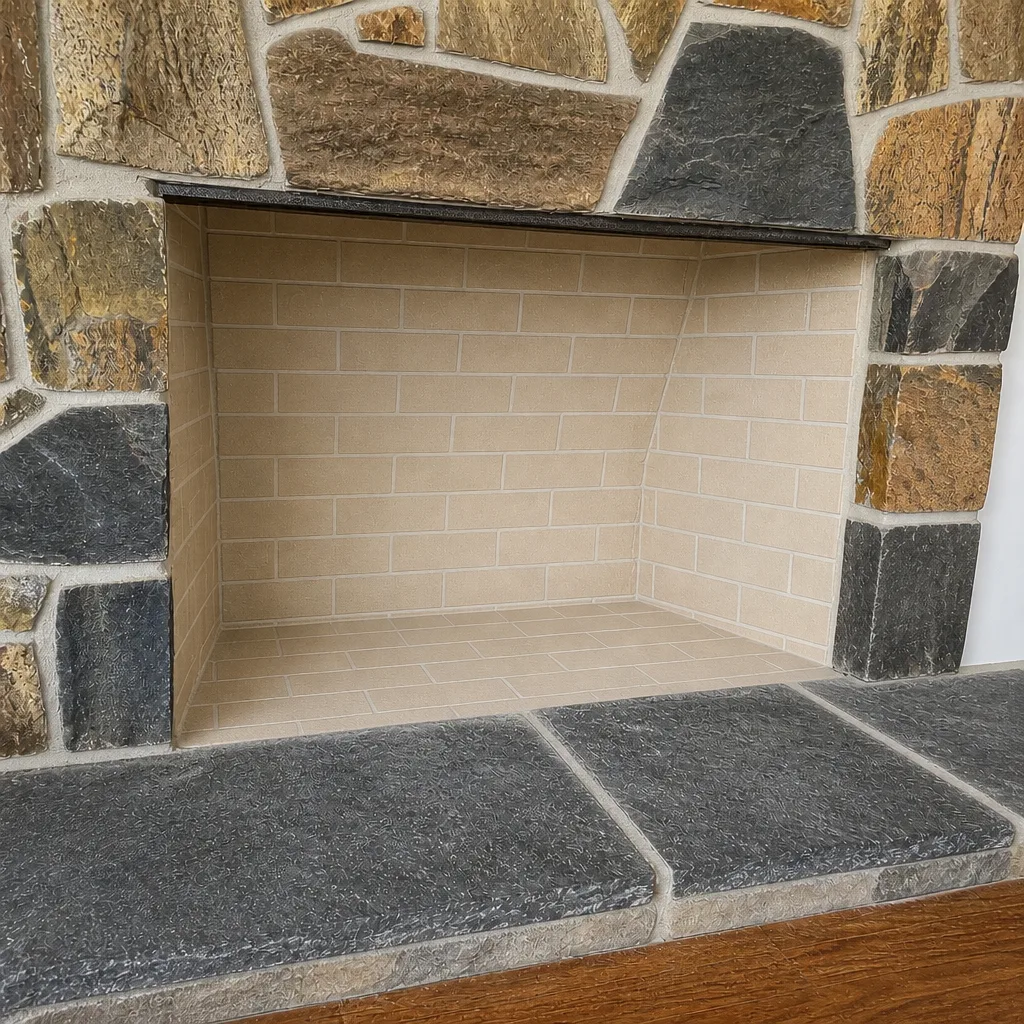
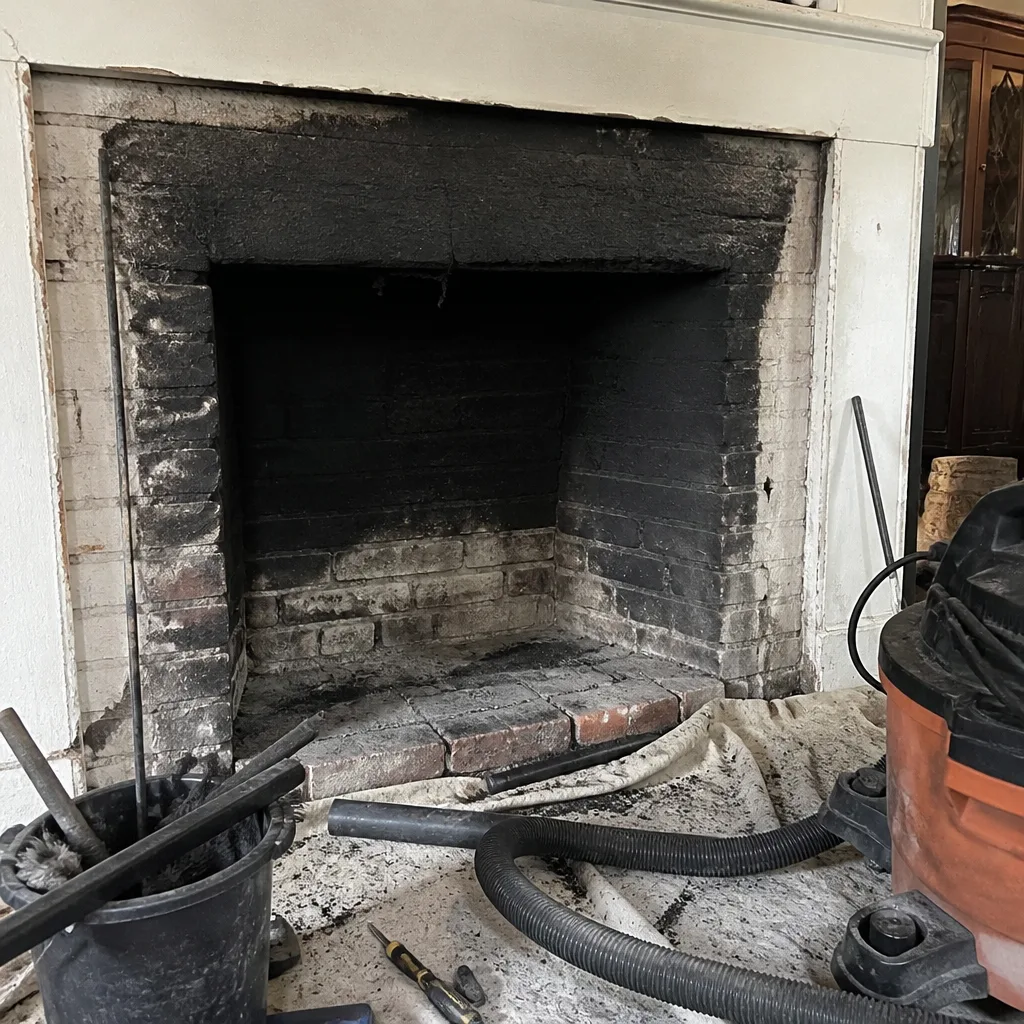
See the difference
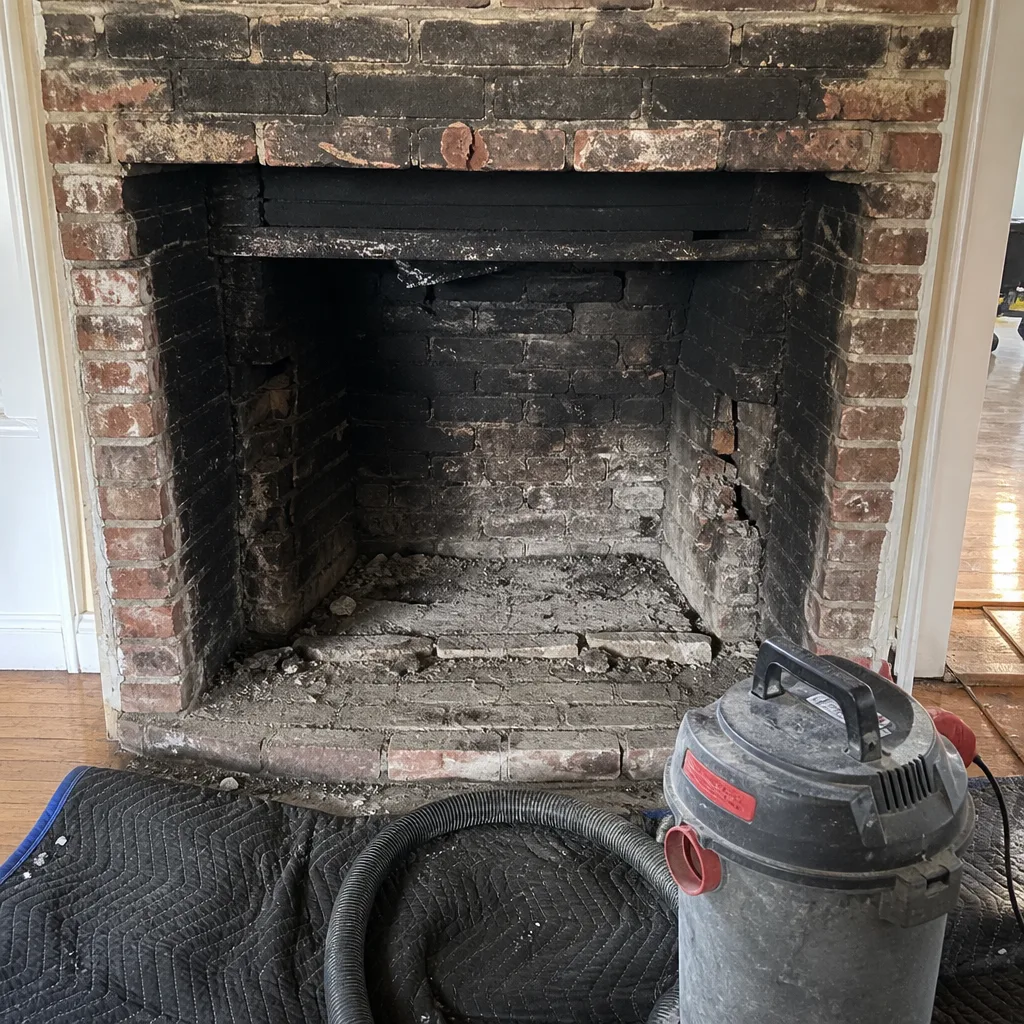 Before
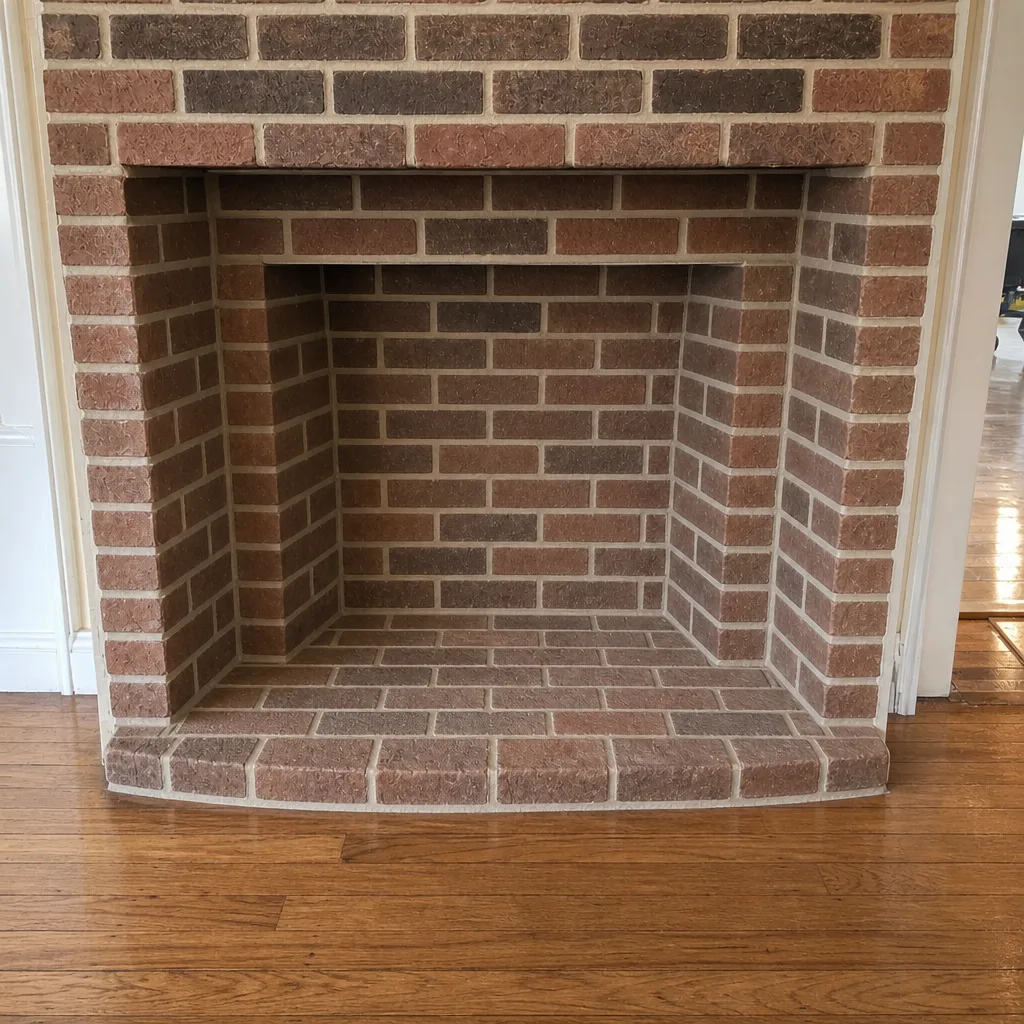 After
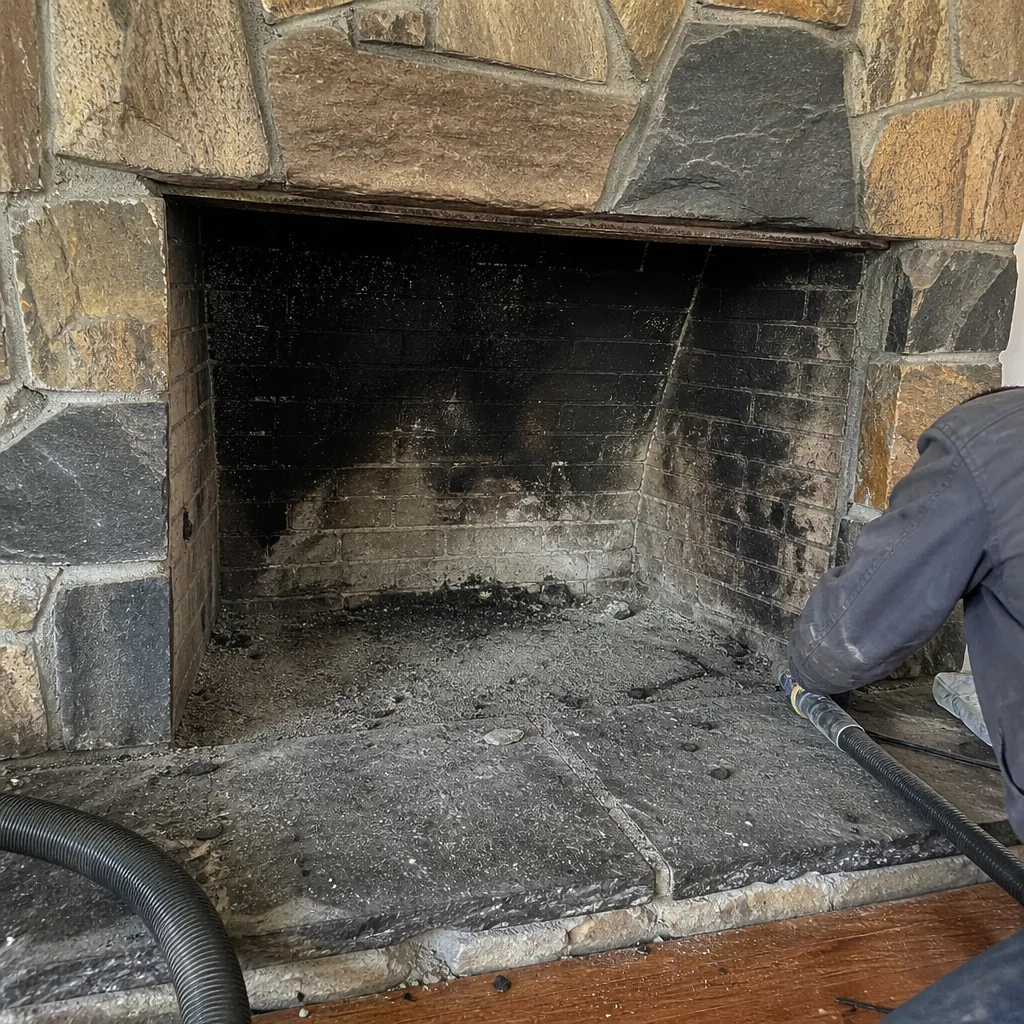 Before
 After
 Before
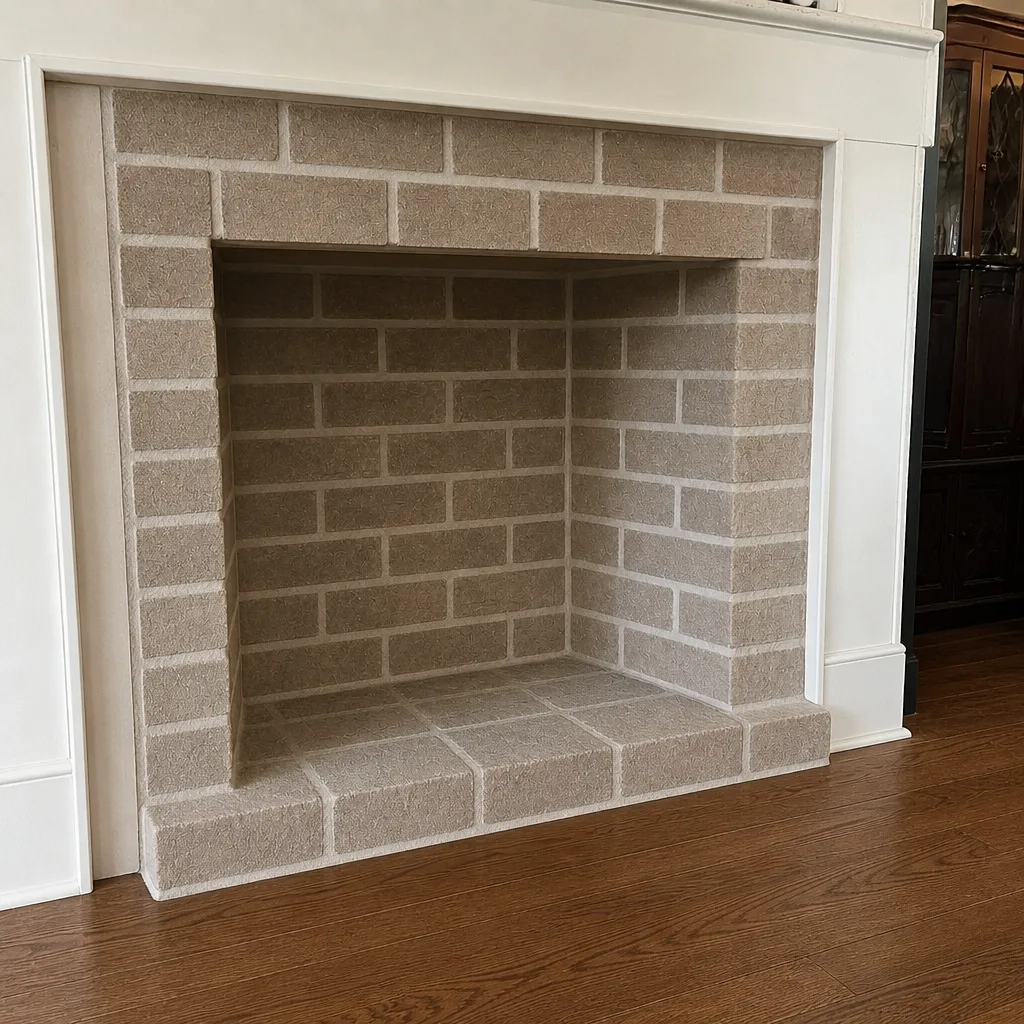 After
Frequently Asked Questions
Late spring, typically late May or June, is the best month to schedule chimney cleaning in Williamsburg. The weather has settled, the last fire is behind you, and any damage found in the sweep has the entire summer for repairs before the heating season returns. That’s the advice we give over a fall appointment for the initial cleaning.
Yes. Creosote builds from any amount of burning, and light use can still leave enough to matter. More importantly, an idle chimney collects moisture, nesting material, and masonry damage during the summer. A sweep in late spring catches both the buildup from your fires and the risk that accumulated while the chimney sat idle. Call (855) 301-8570 to book a visit.
Once a year is the working rule of thumb for a wood-burning fireplace in regular use, and more often if you burn frequently or burn unseasoned wood. A chimney that’s been through a full heating season should be swept and inspected before the next one. Call for a seasonal visit and we’ll tell you what the camera shows.
You’ll know you need a liner when the camera shows cracked, deteriorated, or improperly sized flue tiles, or a gap between the flue and the appliance. Don’t take that on faith. Ask to see the camera footage and the photos. Nothing gets recommended without camera evidence you can review yourself, and we’ll tell you plainly when work can safely wait. Call (855) 301-8570 for a free estimate.
Yes. A formal chimney inspection is a standalone service, not just something bundled into a sweep. That’s the arrangement buyers, sellers, and homeowners dealing with an insurance request usually need, and it produces a documented report with photos. Call for a schedule and estimate.
Check that the cap is intact, the damper closes fully, and the flue is clear of nesting material or debris. Do a cold-start draft test with a small piece of paper to confirm the flue draws. If smoke spills into the room or you smell creosote, stop and call. We answer 24/7; dispatch runs from 7am to 7pm, Sunday through Friday.
The Bottom Line
The old advice to schedule chimney cleaning in the fall is backwards. A late-spring sweep and inspection catch creosote glazing, moisture intrusion, nesting material, and spalling masonry while there’s still a whole summer to make repairs. Fall is for preparation checks, not discovery. Winter is for reading the warning signs, and knowing which ones mean stop burning and call. A chimney is a system, and it deserves a schedule built around the whole year, not a single appointment in October. Our technicians have up to 12 years of experience, we treat the job as a full system, and we’ll show you what we find. Call Chimney Sweep Williamsburg at (855) 301-8570 for a free estimate.
Written by the team at Chimney Sweep Williamsburg.