
Last updated November 22, 2026
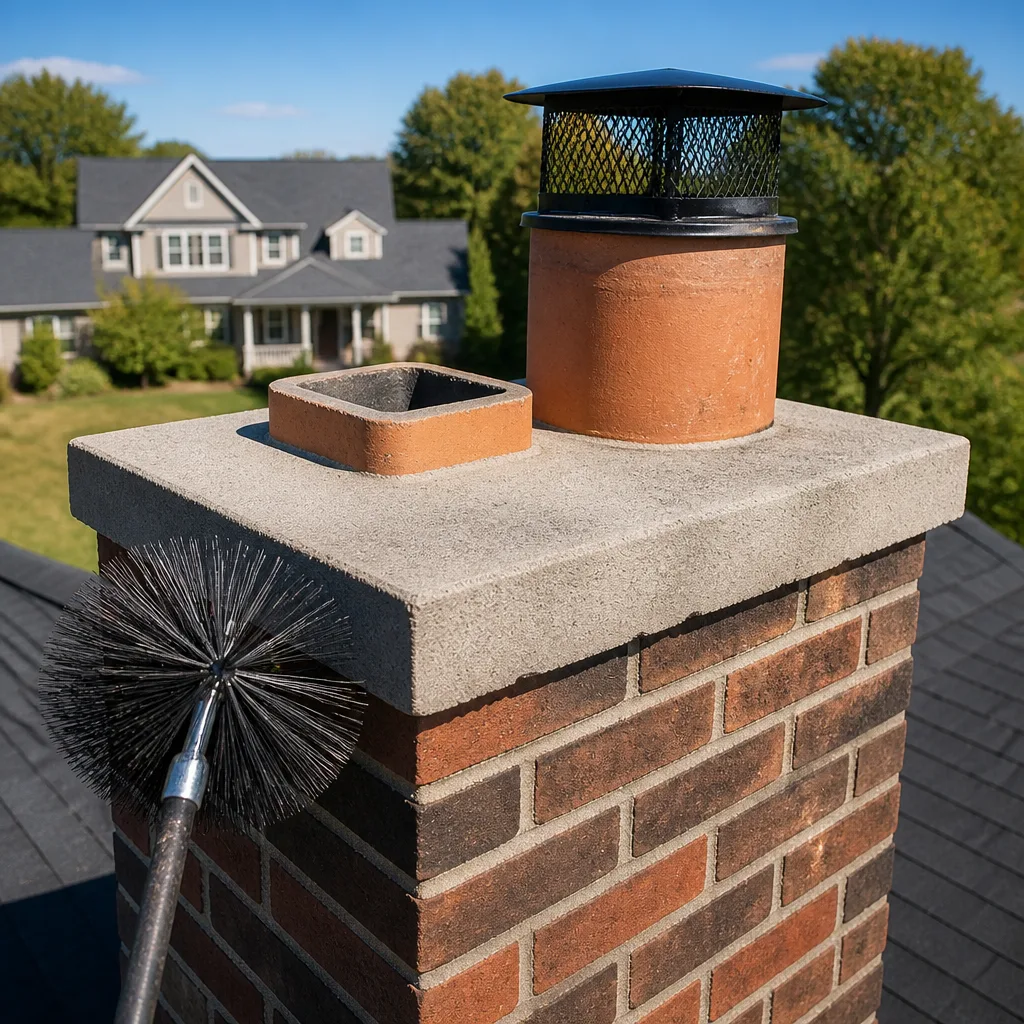 Sweep & inspection
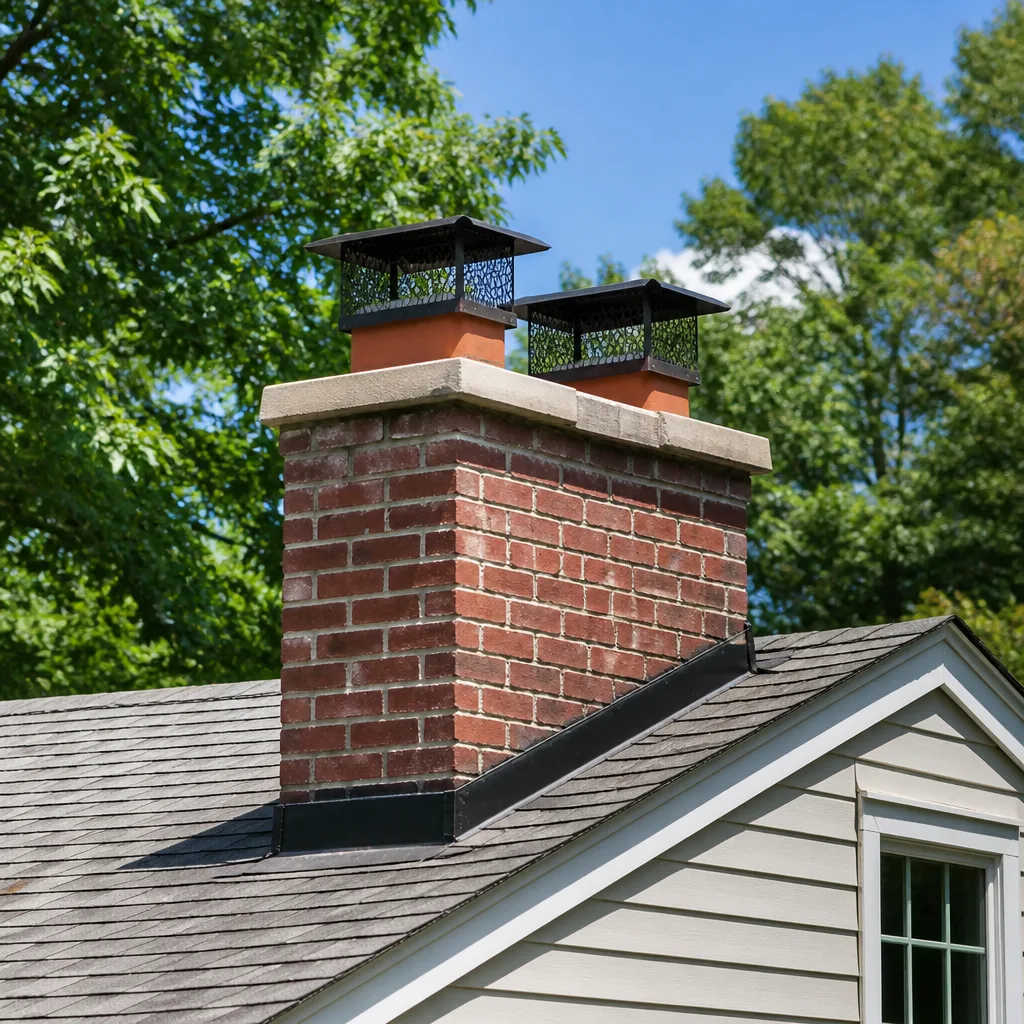 Caps & crowns
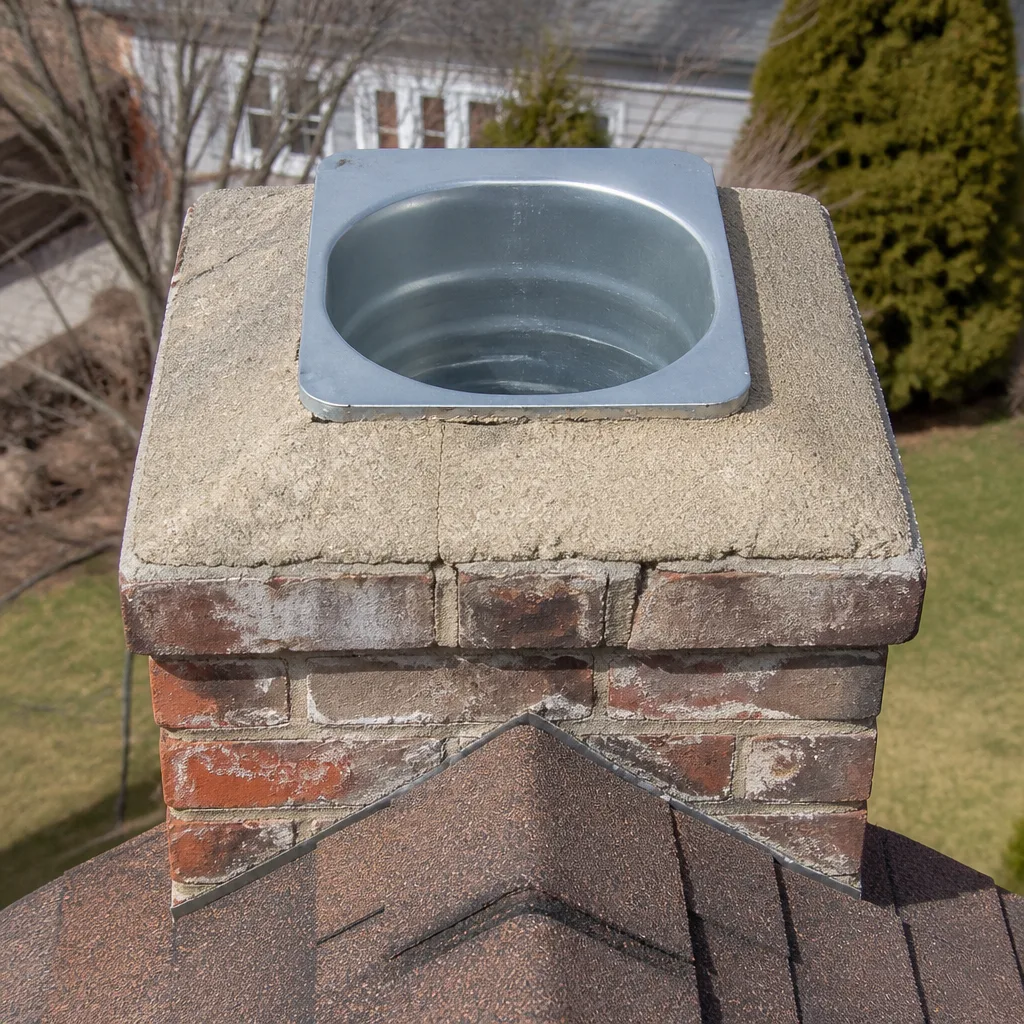 Flue relining
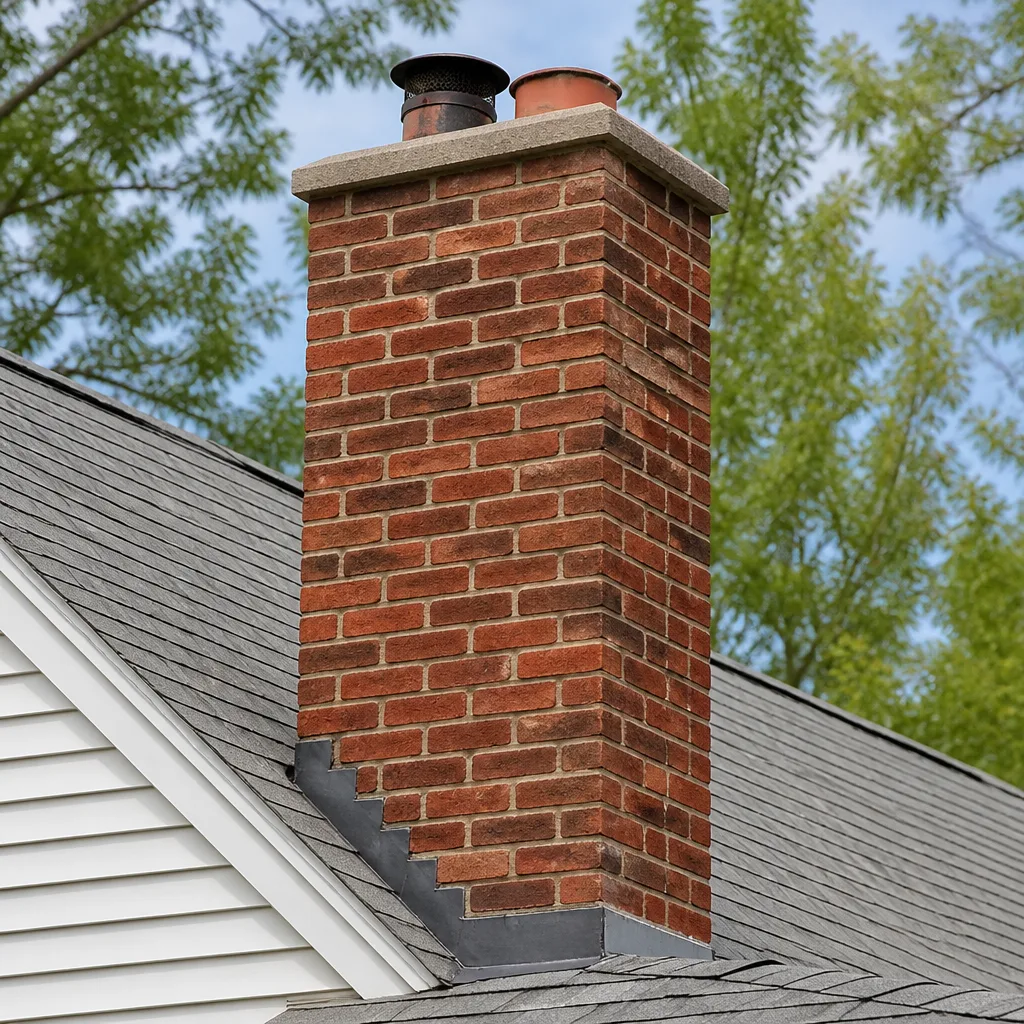 Masonry repair
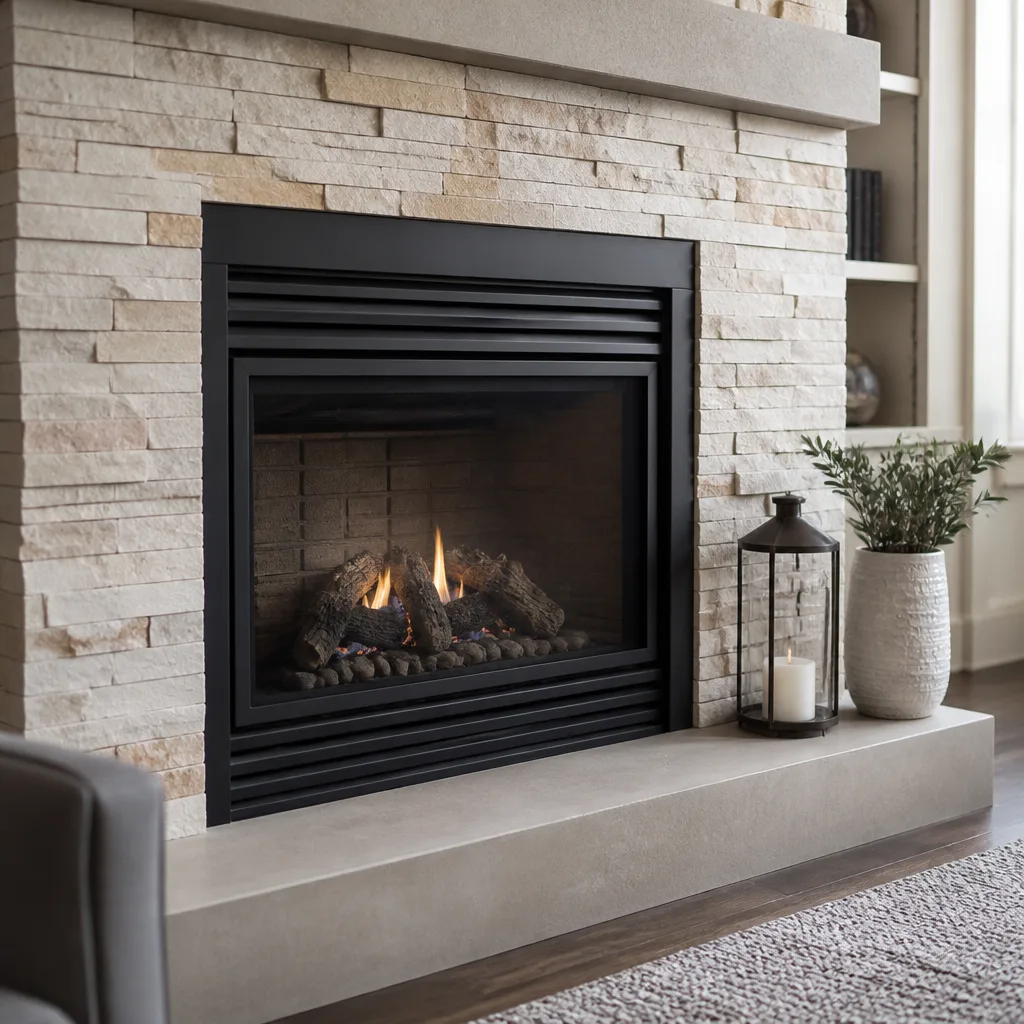 Gas fireplace service
Level 1 sweep and inspection to the NFPA 211 annual standard - flue, crown, cap, and flashing checked and photographed
Chimney sweep logs do not sweep chimneys. They loosen some creosote - which then falls where a brush and vacuum still have to collect it.
How to Hire a Chimney Cleaning Contractor in Williamsburg: A Step-by-Step Guide
Here’s what surprises most homeowners: a CSIA-certified contractor and an uncertified operator often quote within twenty dollars of each other for a basic sweep. Price, in other words, tells you almost nothing. So people fall back on star ratings, and star ratings don’t put out chimney fires. In a market as dense as Williamsburg, where every trade has a dozen listings that all sound polished, the real hiring skill isn’t finding candidates. It’s disqualifying the ones who look credible but don’t have the technical depth to service a masonry chimney system safely. This guide gives you the filters, the interview questions, and the report-reading skills to tell them apart.
Quick Answer
To hire a chimney cleaning contractor in Williamsburg, verify credentials first (CSIA certification and NFPA 211 familiarity matter most), ask specifically what tools and scope are included before booking, and insist on a written inspection report with photos and camera evidence. Compare quotes on scope of work, not on the final dollar figure, because a low price for a vague job is not a bargain. The right contractor tells you what they found, shows you why it matters, and never pressures you into same-day repairs.
Styles & brands we work with
- Sweep & inspection
- Caps & crowns
- Flue relining
- Masonry repair
- Gas fireplace service
Table of Contents
- Which Credentials Actually Matter (and Which Don’t)
- Five Questions to Ask Before You Book
- Red Flags in Contractor Behavior
- How to Read a Chimney Inspection Report
- Williamsburg Logistics: Roofs, Parking, and Rentals
- What a Fair Quote Looks Like
- Common Mistakes to Avoid
- When to Call a Professional
Which Credentials Actually Matter (and Which Don’t)
Certification is the fastest way to separate a serious chimney professional from a generalist with a brush and a shop vac. But not all credentials cover the same ground, so it helps to know exactly what each one certifies.
The CSIA (Chimney Safety Institute of America) certification is the baseline for the trade itself. It covers sweeping, inspection procedure, and the codes and standards that govern how a chimney is supposed to work. A CSIA-certified sweep has passed an exam on that body of knowledge and is expected to keep it current. What it doesn’t do is certify a specific repair method; it establishes that the person understands the system, not which brand of liner they install.
NFI (National Fireplace Institute) certification is more specific. It focuses on hearth appliances and venting, which matters when your issue involves a wood stove, insert, or gas appliance and the way it connects to the flue. It’s a strong signal for appliance-side work and a weaker one for masonry repair, since it doesn’t cover structural crown or flue restoration.
What neither credential covers is the part homeowners most often get burned on: repair execution. A certification tells you someone knows how a chimney should be built. It doesn’t tell you they can correctly apply a ceramic resurfacing product or install a stainless liner with proper clearances. That’s where material knowledge and hands-on repair experience come in, and where you should ask directly about the products a contractor works with.
- CSIA: trade knowledge, sweeping, inspection standards. The floor, not the ceiling.
- NFI: appliance and venting expertise. Relevant for inserts and stoves.
- Material credentials: ask which manufacturer systems they install. Brands like Gelco, Olympia Chimney, Famco, and Copperfield are the ones specified across the professional tier of the industry.
- What none of them prove: that the contractor reads their own report correctly or recommends work you can verify. That’s on you to test.
In our experience, a contractor who can talk fluently about the difference between a HeatShield ceramic resurfacing application and a full DuraFlex liner install is one who has actually done the work. Someone who gets vague when you ask about materials hasn’t.
Five Questions to Ask Before You Book
A good contractor answers these without hesitation. A weak one deflects, generalizes, or turns the conversation back to price. Ask them before you confirm an appointment, and listen for specifics rather than reassurances.
- “What’s included in the sweep, line by line?” You want a stated scope: flue, firebox, smoke chamber, damper, and cap, plus a camera inspection and a photo report. If the answer is “a standard cleaning,” ask them to define standard.
- “What happens if you find third-degree creosote?” Third-degree creosote is glazed, hardened, and bonded to the flue wall. It can’t be brushed off. The right answer describes chemical treatment or liner replacement options and explains why it’s a fire hazard. The wrong answer is “we’ll just brush it harder.”
- “What tools do you carry, and will you show me what you pulled out?” A professional sweep brings drop cloths, proper brushes matched to flue size, a vacuum with HEPA filtration, and a camera. They should offer to show you the debris or footage, not hide it.
- “Will I get a written report, and does it include photos?” A verbal “you’re all set” is not an inspection. Ask to see a sample report before they arrive.
- “Do you do the repairs yourself, or subcontract?” A contractor who handles the full system (sweep, cap and crown, liner, fireplace) can resolve what they find without handing you off to a second company or a general handyman.
If a company offers a chimney sweep but can’t follow through on the structural work, that’s fine, as long as they’re upfront about it. What you want to avoid is discovering the gap after you’ve paid for the sweep and been told a second contractor is now needed.
Red Flags in Contractor Behavior
The most expensive chimney mistakes usually aren’t made on the roof. They’re made in your living room, when you approve work you didn’t understand. These are the behaviors that should make you slow down.
- Vague scope of work. A quote that says “chimney cleaning” or “chimney repair” without a line-item breakdown gives you nothing to verify. If you can’t tell what the price covers, you can’t compare it to anything.
- Pressure to approve same-day repairs. A sweep who finds a real problem should explain it, show you the evidence, and let you think. Urgency that escalates within one visit is a sales pattern, not a safety protocol.
- Quotes that don’t specify what’s excluded. A low number often means the cap, crown, or camera inspection wasn’t included. Ask what’s missing.
- No camera, no photos. In Williamsburg’s older brick buildings, the smoke chamber and upper flue are where problems hide. If a contractor never puts eyes or a lens up there, they’re guessing.
- Recommending full liner replacement before showing you the damage. Liner work is legitimate and sometimes necessary. But “you need a new liner” with no footage is a claim you can’t check.
- Unwillingness to put credentials in writing. A certified contractor will tell you what they hold and how they keep it current. Refusal here is a signal.
One more: a contractor who can’t explain why a repair matters to your safety has skipped a step. We tell customers what we find and why it matters, and we say plainly when work can safely wait another season.
How to Read a Chimney Inspection Report
An inspection report should be a technical document, not a sales pitch. The NFPA 211 standard defines three inspection levels, and a compliant report tells you which level was performed and why. Here’s what yours should contain.
- The inspection level, stated plainly. Level 1 is a visual check of accessible components for routine service. Level 2 adds a camera inspection of the flue and is what’s required for real-estate transactions, after a chimney fire, or after any change to the appliance. Level 3 involves accessing concealed areas and is rarer. If the report doesn’t tell you the level, it’s incomplete.
- Photos and camera footage. Every recommendation should tie back to something you can see.
- The five systems assessed separately. Flue, firebox, crown and cap, damper, and the smoke chamber should each have a stated condition.
- Recommendations with urgency categories. Safe to wait, monitor, or address now. A report that flags everything as urgent is a sales document.
- The certifications of the inspector. CSIA and NFI belong on the report, not just in the marketing material.
If your report is a single page with a price at the bottom and no stated level or imagery, you’ve been sold, not inspected. Buyers and sellers in Williamsburg need these reports to be defensible during a transaction, and insurers increasingly want to see them too. That’s why a standalone inspection should be available on its own, not only bundled into a cleaning.
Williamsburg Logistics: Roofs, Parking, and Rentals
Hiring in Williamsburg comes with constraints you won’t hit in a suburban market, and a contractor who hasn’t worked these streets will discover them on arrival.
Roof access on attached structures. Much of Williamsburg’s housing is attached, rowhouse-style, with shared party walls and roofs that connect to neighbors. Access isn’t always from a side yard, and some flues are reached from a neighboring roofline only with permission. A contractor should ask about access before the visit, not scramble for it in the middle of the job.
Parking and equipment. On a dense block, setting up ladders, drop cloths, and a vacuum takes space. Some of that work happens inside, but the street matters too. It helps to tell the contractor where equipment can be staged and whether street access is constrained.
Landlord-tenant service authorization. If you rent, the chimney is generally the landlord’s responsibility, and the contractor needs authorization before servicing it. In a rental, you should confirm in writing who’s approving the work and who pays. Same applies for building managers handling multiple units: get the sign-off before the sweep is booked.
Old masonry, real wear. Williamsburg’s stock of older brick buildings means many chimneys have lived through decades of freeze-thaw cycles and past repairs of uncertain quality. A contractor who works here routinely knows to look for past fixes that failed and to be especially thorough on crowns and mortar. The chimney repair conversation often starts here.
What a Fair Quote Looks Like
A fair quote is specific, written, and honest about what’s included. It doesn’t have to be the lowest number; it has to tell you what you’re buying and what happens if the job turns out to be larger than expected.
- Written scope: every component covered, plus what’s excluded.
- Flat price agreed before booking: no surprises added after the sweep, except where you’ve approved additional work in writing.
- A stated inspection level and a photo report: included, not an upsell.
- Sediment/debris disposal: included in the price, not billed separately.
- Separate line items for cap, crown, or liner work: so you can approve or decline each.
If a repair is recommended, the written estimate sets the final price, and nothing gets done without your approval. In Williamsburg, where attached rowhouses and older masonry mean the scope isn’t always knowable before the contractor is on the roof, the written estimate protects both sides. A contractor who does the chimney cap & crown work as well as the sweep can quote a single, coherent scope instead of two separate jobs from two companies.
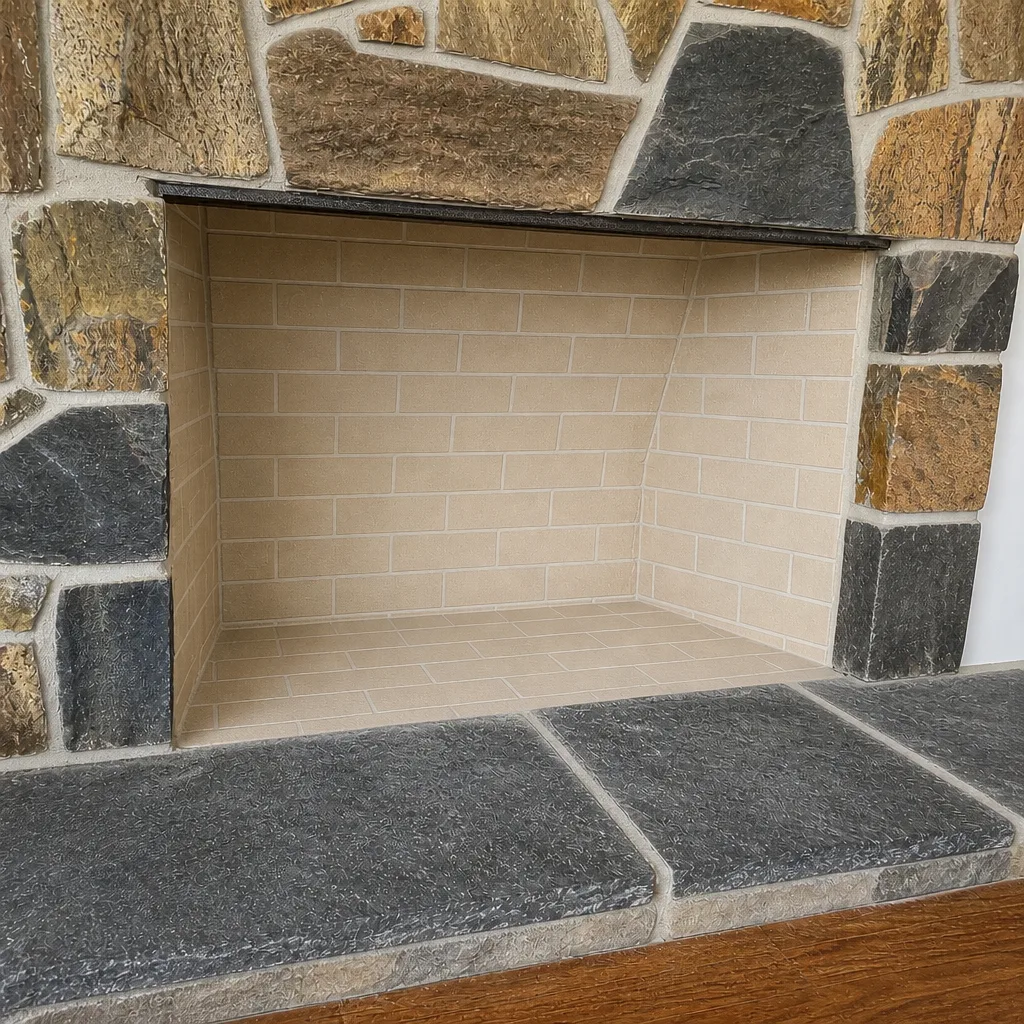
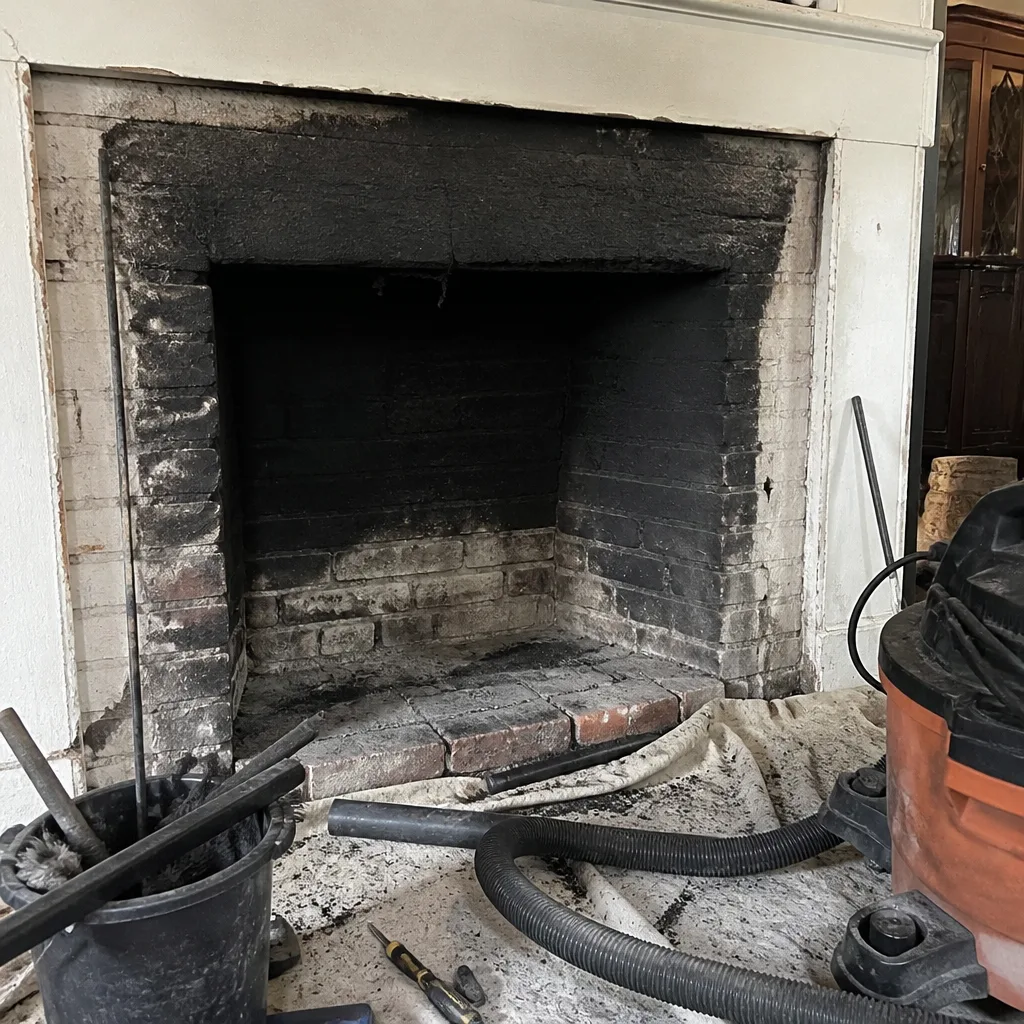
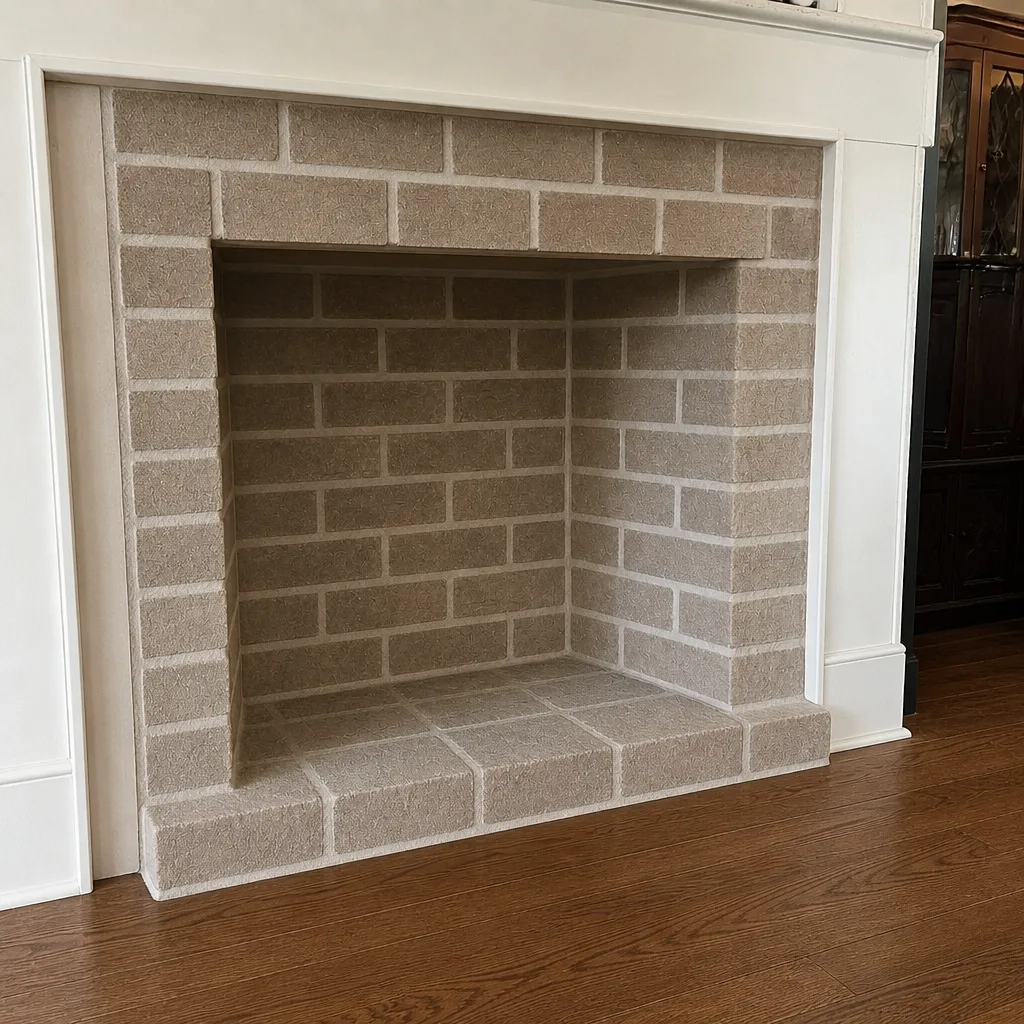
See the difference
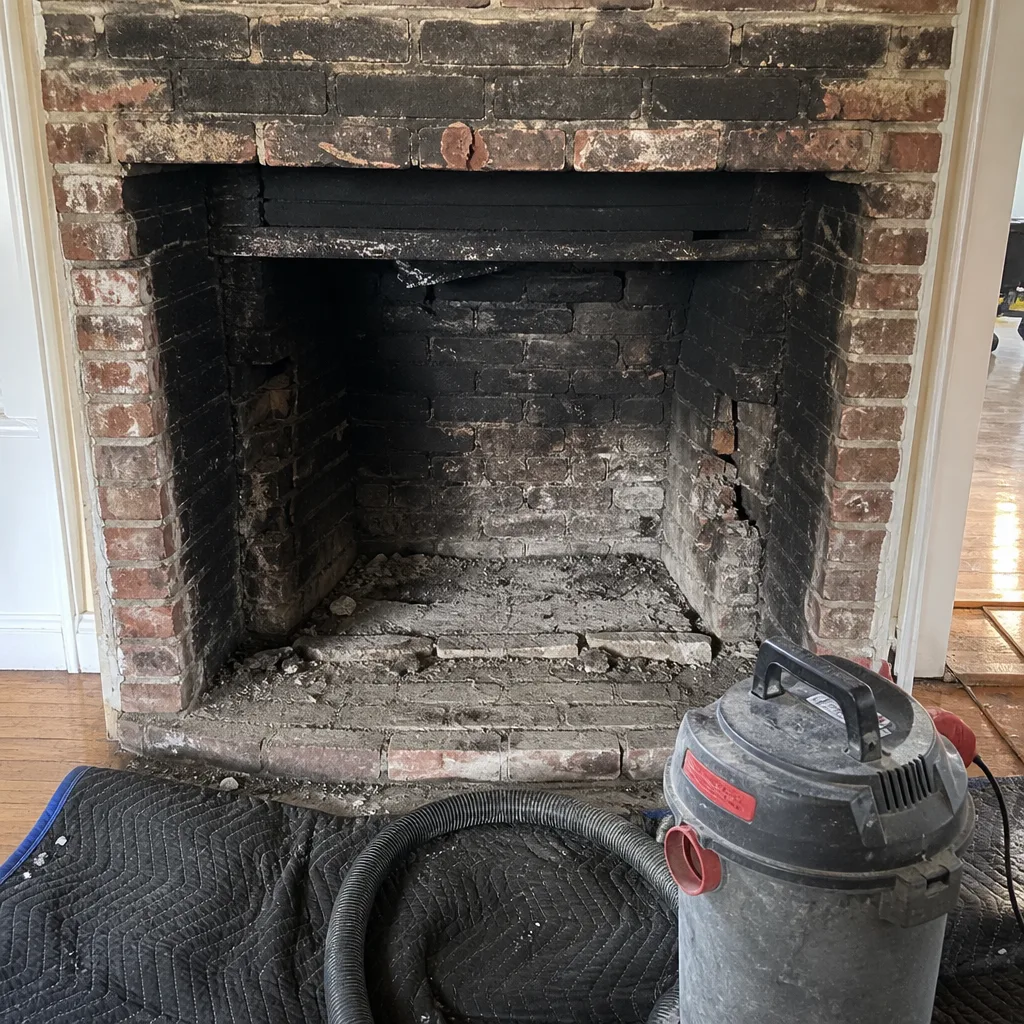 Before
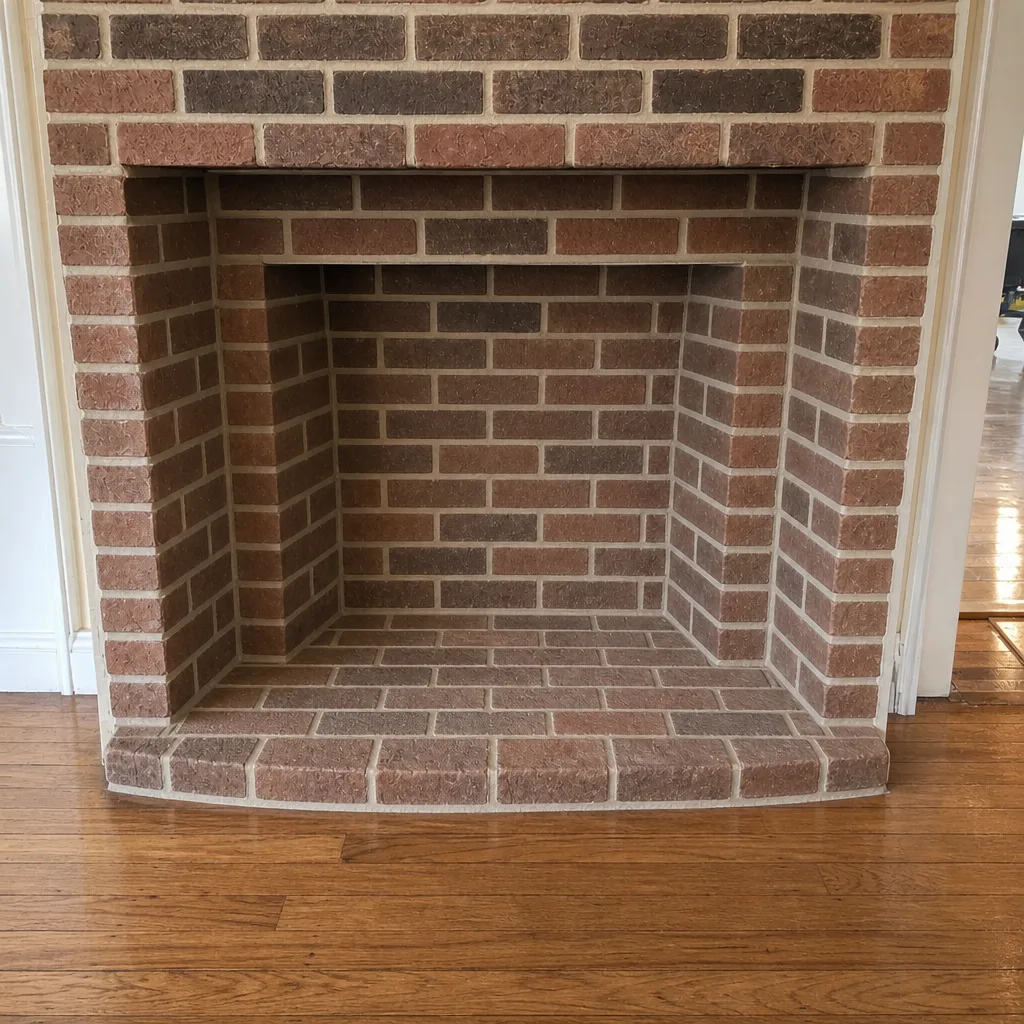 After
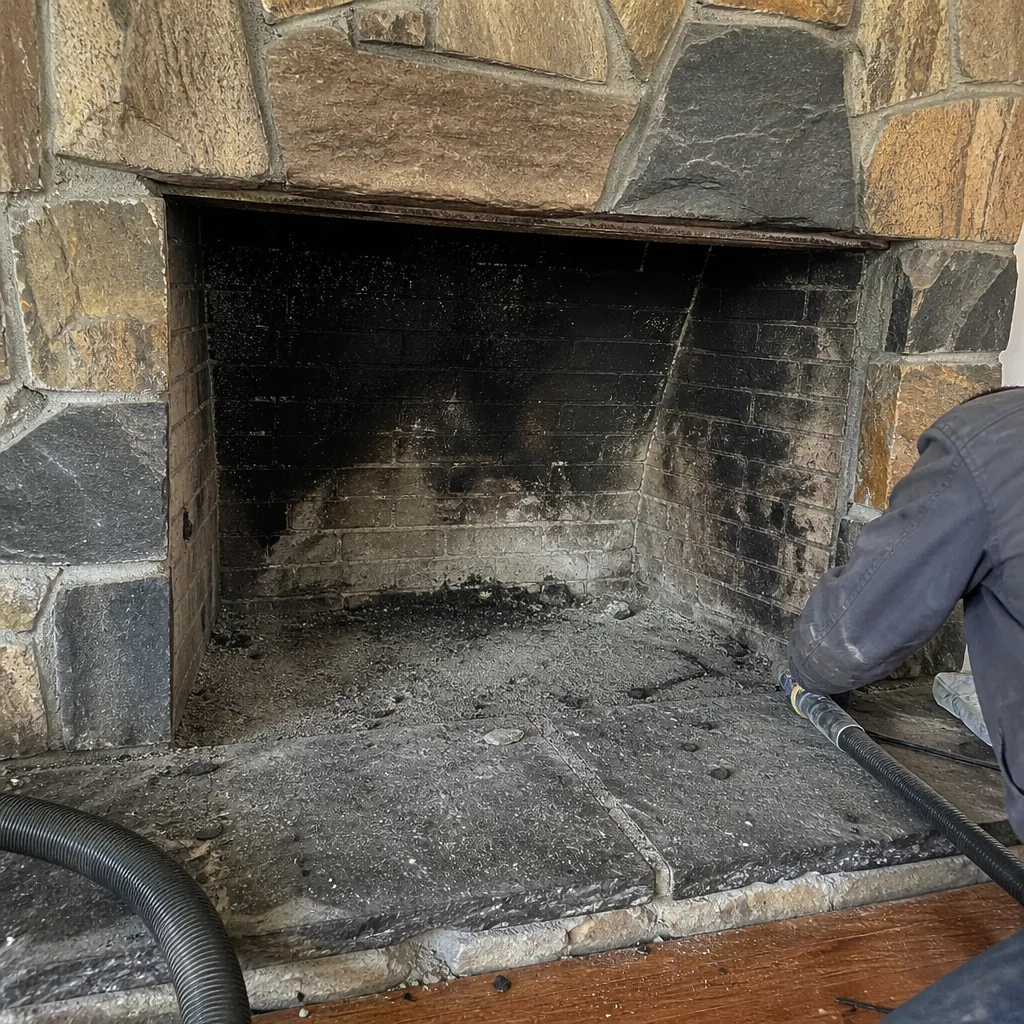 Before
 After
 Before
 After
Common Mistakes to Avoid
- Choosing on price alone. As the opening noted, a certified and an uncertified sweep often quote within a tight range. The price tells you nothing about the credentials that keep your home safe. Ask about certification first.
- Skipping the report. If you don’t ask for a written report with photos, you have no way to verify a “you need a new liner” claim or to spot a problem early next season.
- Assuming any sweep can also repair. A brush-and-vacuum outfit may be excellent at cleaning but unable to handle structural or liner work. Ask what happens after they find an issue.
- Ignoring the cap and crown. Water intrusion through a cracked crown or missing cap is one of the most common causes of chimney damage in Williamsburg’s masonry buildings. These are cheap fixes that prevent expensive ones.
- Treating annual service as optional. Creosote accumulates whether or not you notice it. Regular service is the cheapest form of prevention there is.
- Failing to get authorization on a rental. A sweep that shows up without sign-off from the landlord can’t do the work, and you’ve lost the appointment.
- Not asking if work can wait. A good contractor says so when it can. If every visit ends in a same-day emergency, that’s a business model, not an inspection.
When to Call a Professional
Some signs can wait for your next scheduled sweep, and some can’t. Call promptly if you smell creosote inside the house during or after a fire, if smoke rolls back into the room instead of drafting up, if you hear a crack or feel a structural shift in the firebox, or if you see water staining on the ceiling near the chimney. Any chimney fire, even one that seemed to go out on its own, warrants a Level 2 inspection with a camera before you use the fireplace again. If you’ve just bought a home or are about to, a standalone inspection ahead of closing is money well spent. Chimney Sweep Williamsburg offers free estimates in Williamsburg – call (855) 301-8570. We answer 24/7. Fast dispatch from 7am to 7pm, Sunday through Friday.
Frequently Asked Questions
Start with credentials: confirm CSIA certification and ask about NFI if you have an insert or stove. Then ask five questions before booking – what’s included in the sweep, how they handle third-degree creosote, what tools and camera they bring, whether you get a written photo report, and whether they handle repairs themselves. Compare quotes on scope, not on price. Call (855) 301-8570 for a free estimate. We answer 24/7.
Pricing varies with flue access, the number of flues, and whether a camera inspection is included, so ask for a written flat-price quote before booking. Don’t choose on the number alone – certified and uncertified sweeps often quote within a narrow range, and the credential matters more than the dollar difference. Call (855) 301-8570 for an exact quote. Estimates are free.
Only if the evidence supports it. A liner replacement is the right answer for a cracked, deteriorated, or improperly sized flue, but you should see the camera footage showing the damage before you approve it. Nothing should be recommended without evidence you can look at yourself. Get a written report and footage first. Call (855) 301-8570 to schedule an inspection with photos included.
Sweep annually if you burn regularly, and have it inspected at least once a year regardless. Creosote builds up in proportion to how much you burn and how well the fire drafts, and you can’t judge buildup by looking in the firebox. Annual service catches problems while they’re still small. Call (855) 301-8570 to book a sweep and inspection together.
Creosote accumulates and can ignite, and a blocked or damaged flue can send carbon monoxide back into the home instead of up and out. Both risks grow quietly and are invisible from the living room. The fix is straightforward; the consequences of a chimney fire are not. Call (855) 301-8570 for a free estimate.
Some can, and that’s what you want. A full-system contractor handles the sweep, cap and crown, liner, and fireplace repair, so anything found during cleaning can be resolved without a second company. Ask specifically whether they do the structural work in-house. Call (855) 301-8570 to discuss your chimney’s needs.
The Bottom Line
The best filter when hiring a chimney professional in Williamsburg isn’t the price or the star rating. It’s the credentials, the scope of work, and the evidence. Ask the five questions. Insist on a written report with photos and camera footage. Treat urgency as a reason to slow down, not speed up. And remember that a chimney is a system – the flue, cap, crown, damper, and firebox all affect each other, so a contractor who sees the whole system serves you better than one who only cleans the flue. Do that, and you’ll hire someone who can actually keep your home safe.
Ready to get started? Call (855) 301-8570 for a free estimate. We answer 24/7. Fast dispatch from 7am to 7pm, Sunday through Friday. Head over to Chimney Sweep Williamsburg to see the full scope of what we handle.
Written by the team at Chimney Sweep Williamsburg.