
Last updated November 22, 2026
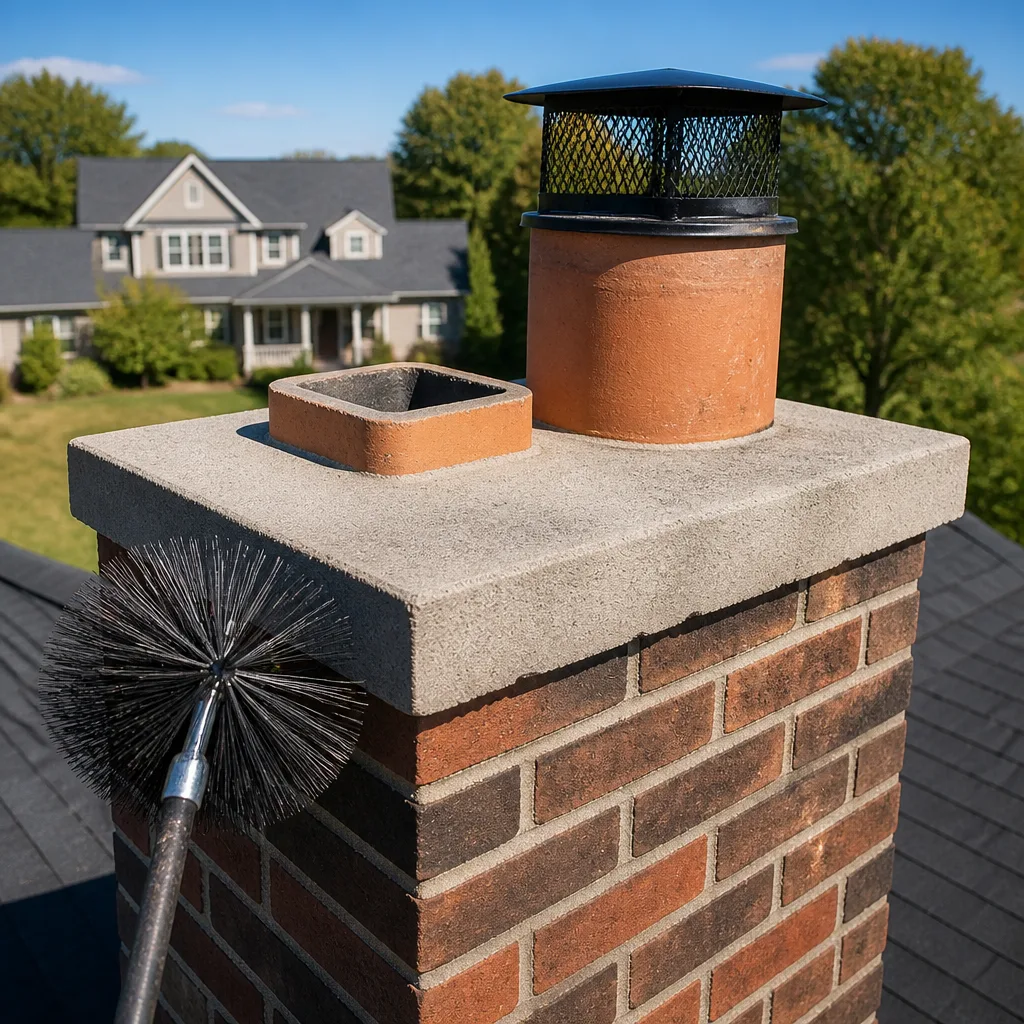 Sweep & inspection
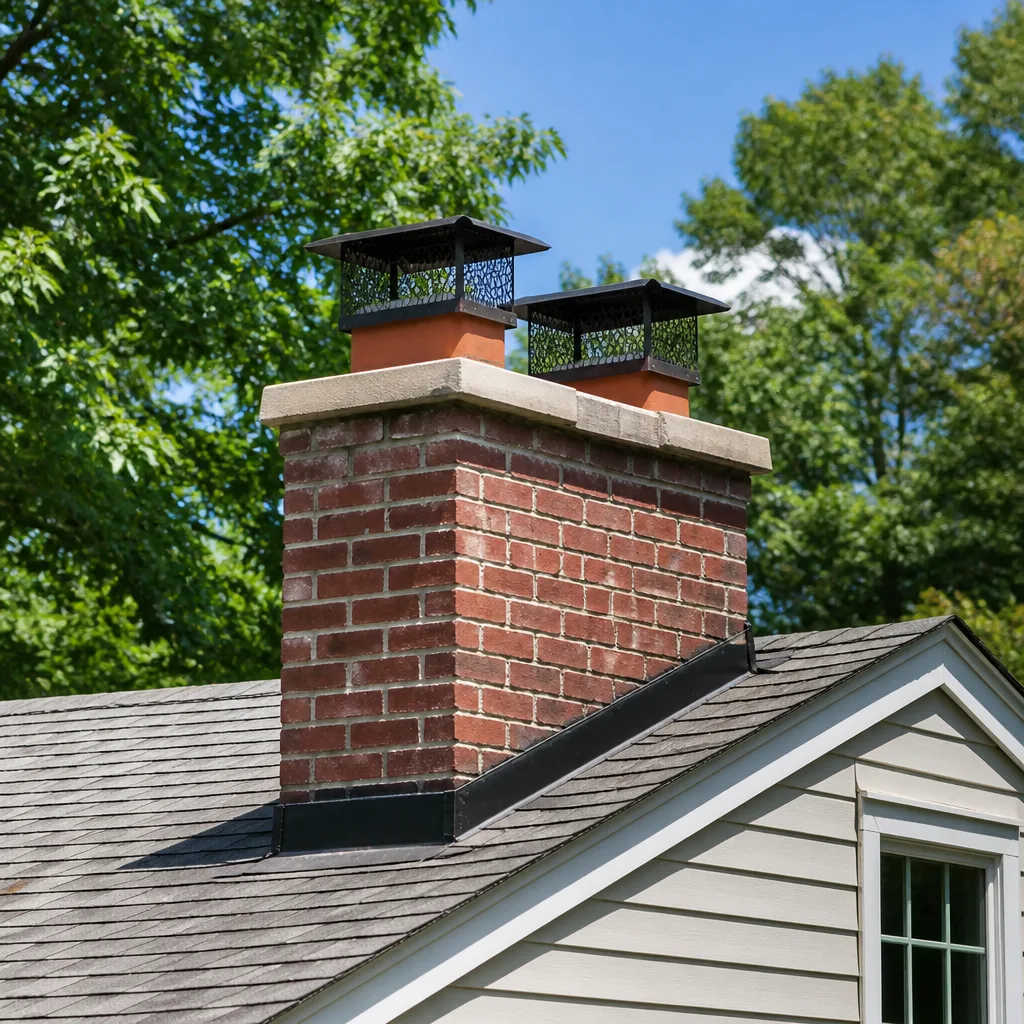 Caps & crowns
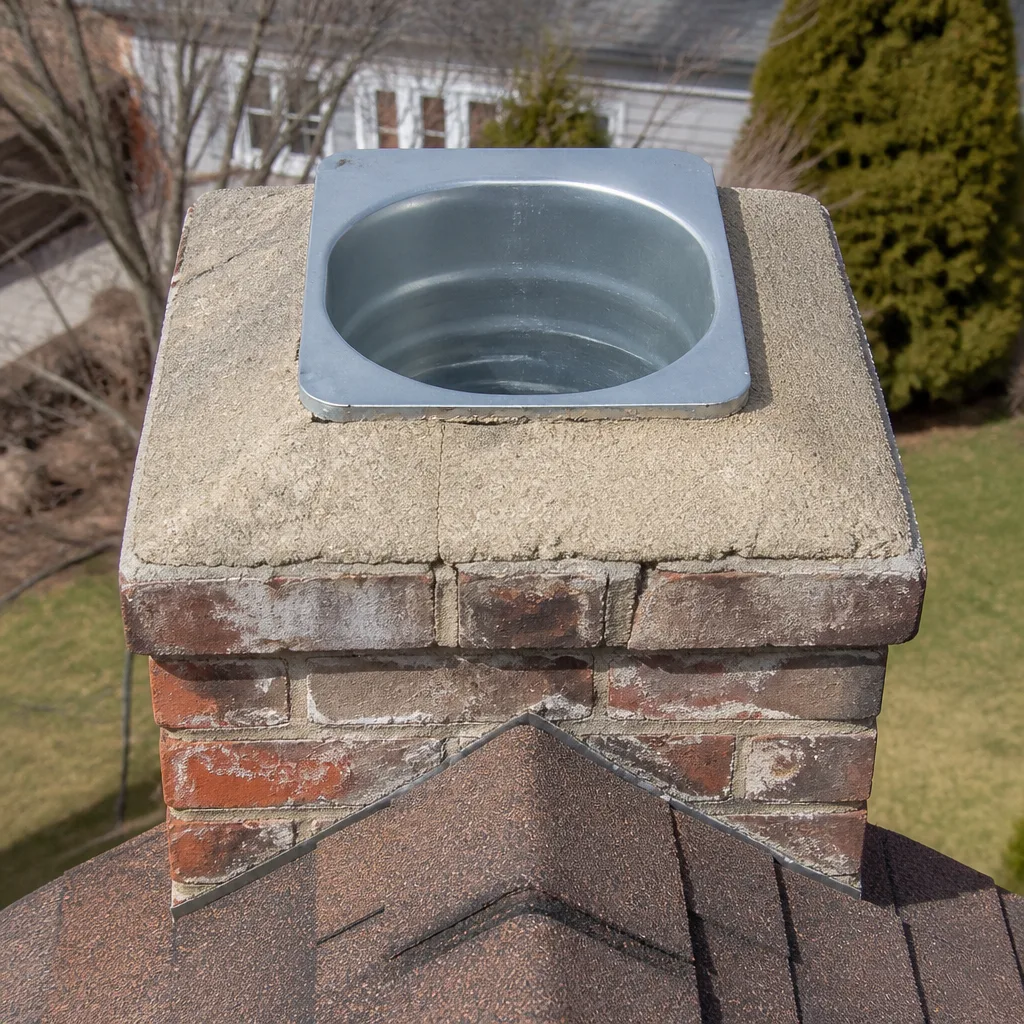 Flue relining
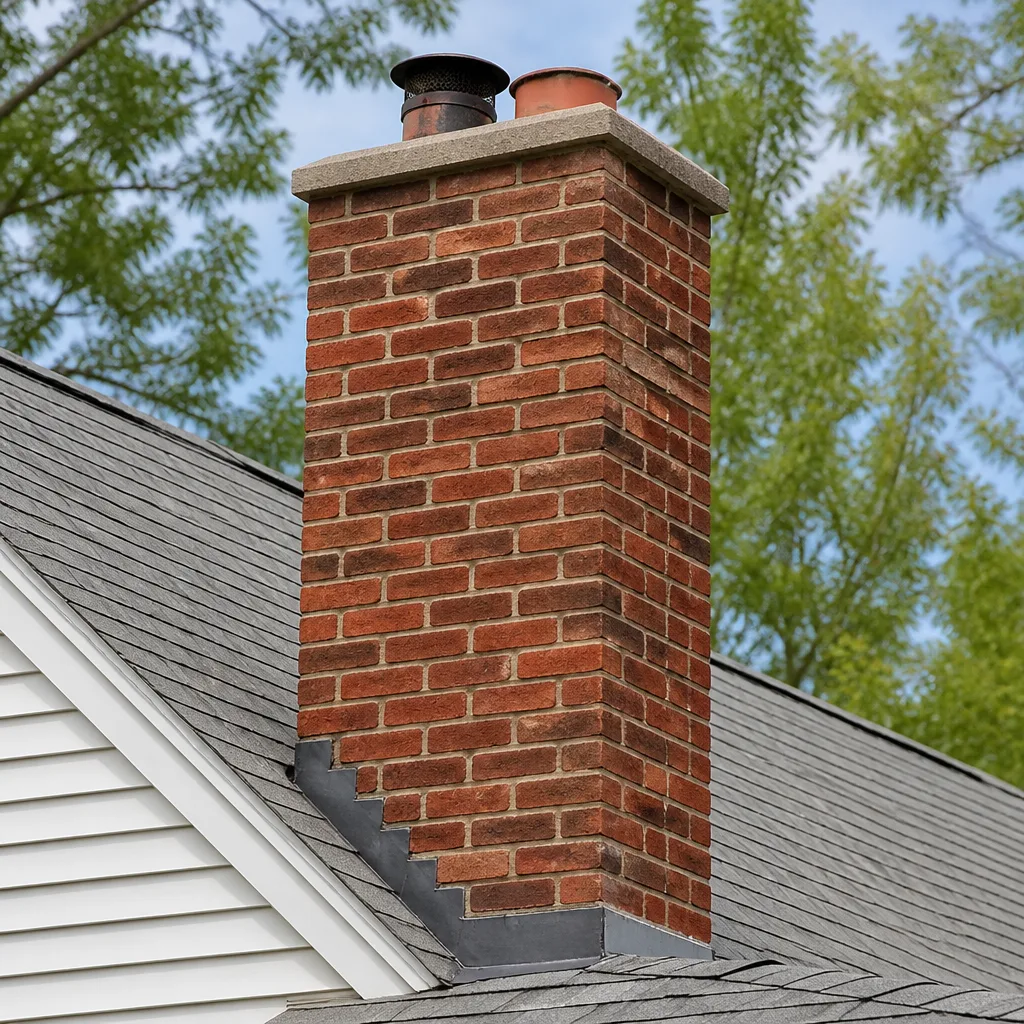 Masonry repair
 Gas fireplace service
Level 1 sweep and inspection to the NFPA 211 annual standard - flue, crown, cap, and flashing checked and photographed
Chimney sweep logs do not sweep chimneys. They loosen some creosote - which then falls where a brush and vacuum still have to collect it.
DIY vs Professional Chimney Cleaning: The Williamsburg Homeowner’s Decision Guide
The chimney sweeping videos that get the most views almost always show the same setup: a straight, single-story flue with a light dusting of soot and a homeowner who finishes the job in twenty minutes. That flue exists. It’s just not the flue most people in Williamsburg are working with. The chimneys here tend to be older, offset, lined with whatever was standard when the house went up, and carrying a full heating season of deposit by the time anyone thinks about a brush. This guide walks through the technical conditions that decide whether DIY is genuinely safe on your chimney, what a proper brush kit actually costs, what no brush can tell you about liner and mortar condition, and the five questions that settle the decision before you spend a dollar.
Quick Answer
DIY chimney cleaning is safe and practical only when your flue is straight and accessible from the roof, your liner is intact and correctly sized, and the deposit is light, dry soot rather than glazed creosote. Most Williamsburg chimneys fail at least one of those tests, and in those cases a professional sweep with a camera inspection is the right call. If you can’t confirm all three conditions yourself, treat it as professional work.
Styles & brands we work with
- Sweep & inspection
- Caps & crowns
- Flue relining
- Masonry repair
- Gas fireplace service
Table of Contents
- Why Most DIY Sweeping Videos Don’t Match Your Chimney
- The Four Technical Conditions That Disqualify DIY
- Creosote Stages: What You’re Actually Dealing With
- What a Real DIY Setup Costs (and When It Stops Making Sense)
- What DIY Cleaning Cannot Assess
- The Insurance and Documentation Problem
- The Five-Question Decision Tree
- How Often Should a Williamsburg Chimney Be Swept?
Why Most DIY Sweeping Videos Don’t Match Your Chimney
A chimney is a system, not a pipe. That distinction matters more for DIY than for anything else in this trade, because the parts of the system you can’t see from the roof are exactly the parts that determine whether a brush belongs in your hands. A video shows you the brush going up and the soot coming down. It doesn’t show you the smoke chamber, the damper assembly, the mortar joints on the far side of an offset, or the crown at the top of the stack.
Williamsburg’s housing stock makes this more pointed than in newer construction. Many homes here were built when masonry chimneys were standard, and plenty of them have been through at least one liner intervention over the years. Some have clay tile liners still intact. Some have had a stainless liner dropped in. Some have pitting, spalling, or gaps between tiles that no brush is going to improve and a camera will find in a minute.
There’s a geometry issue too. Straight flues sweep cleanly from the top down. Offset flues, flues with a smoke shelf that catches debris, and flues that share a masonry stack with a second appliance all need a different approach. In our experience, the homes where a homeowner can safely sweep their own chimney are a minority in Williamsburg, and the ones where they can’t are usually the ones where a fire risk is already present.
The honest version of the DIY argument is this: brushing a chimney is not complicated. Deciding whether your chimney should be brushed by you is the hard part.
The Four Technical Conditions That Disqualify DIY
Before buying a single brush, run your chimney against these four conditions. Any one of them, on its own, moves you into professional territory. You don’t need to fail all four.
- Liner condition and type. A clay tile liner with cracked or missing tiles is a channel for heat and embers into the surrounding masonry. Brushing it will not reveal the damage and can push debris into voids behind the tiles. A stainless liner installed under a professional relining system, such as a DuraFlex system, is a different situation, but it still needs to be verified as correctly sized and connected at both ends. Without that verification, DIY sweeping is guesswork.
- Flue geometry. A straight run from the firebox to the top of the stack is workable. Offsets, bends, and a smoke chamber that slopes into the flue create areas a standard brush skips. Debris accumulates on the smoke shelf and stays there, and that debris is what catches first when a fire gets hot.
- Creosote stage. This is the single most important variable and it’s covered in detail below. First-degree creosote is dry, flaky soot. Second-degree is glazed and sticky. Third-degree is a hardened, tar-like coating that a brush will not remove and that is genuinely dangerous to disturb without the right method. If you don’t know which stage you have, you can’t make the call.
- Chimney height and access. Getting onto a roof safely is a skill and a piece of equipment, not a ladder and a brave moment. A chimney taller than the roofline, a steep pitch, or a stack on a difficult pitch all raise the access requirement before the chimney itself even enters the picture.
If all four conditions come back clean, DIY becomes a real option. That’s the case where the videos apply.
Creosote Stages: What You’re Actually Dealing With
Creosote is the residue left by wood smoke as it cools on its way up the flue. It builds up in three recognizable stages, and the stage determines everything about how the chimney gets cleaned and whether it’s safe to burn in the meantime.
First-degree creosote
Dry, flaky, black soot. It brushes away cleanly with standard chimney brushes. This is the stage where homeowners have the best case for DIY, assuming the liner and geometry also check out. It’s also the stage most homes are in when a heating season is short and the wood is well-seasoned.
Second-degree creosote
Glazed, hardened, and stuck to the flue surface. It forms when the smoke cools too slowly or too quickly, often from burning wood that hasn’t dried enough. Standard brushes don’t remove it. Professional equipment with the right brush type and technique is required, and sometimes a chemical sweep is needed first to soften the glaze before brushing.
Third-degree creosote
Concentrated, tar-like, and the most hazardous form. It’s fuel sitting inside your chimney, and it can ignite. Removing it is a professional job, and in some cases, if the liner is compromised underneath, the right answer is relining rather than repeated sweeping. This is also the point where a ceramic resurfacing product like HeatShield becomes relevant, because the liner surface itself may need restoration before it can be swept clean and hold up over time.
What you cannot do from a homeowner’s vantage point is see past the firebox into the upper flue and distinguish stage one from stage three. That’s the honest limit of the DIY question. A camera inspection settles it in minutes.
What a Real DIY Setup Costs (and When It Stops Making Sense)
The brush-and-rod kits sold at hardware stores are the low end of a much wider range. Here’s what a homeowner actually needs to sweep a chimney correctly and safely, not just plausibly:
- Chimney brush set sized to the flue. A brush that’s too small leaves deposits behind. One that’s too large jams or damages the liner. Sizing is specific to the flue, and one brush rarely covers the whole job.
- Rods. Flexible rods long enough to reach from the top of the stack down through the full flue. Rods long enough for a one-story flue are inexpensive. Rods for a two-story flue with a bend are not.
- Drop cloths and a shop vacuum rated for fine soot. Soot gets everywhere. A vacuum that’s not fine-particle rated will exhaust soot into the room.
- Roof access equipment. A stable ladder, roof boots or a harness depending on the pitch, and a way to work safely at the top of the stack.
- Respiratory protection and eye protection. Not optional. Creosote and soot are the reason.
- A flashlight or inspection mirror. You can’t clean what you can’t see, and you can’t see what you can’t light.
Add that up and you’re quickly into three figures before you’ve touched the chimney, and the gear is only worth owning if you’ll use it repeatedly. For one chimney, once a year, the cost comparison shifts. A professional sweep also comes with a camera inspection and a photo report in most shops, which is the part that actually protects your chimney over time.
Where DIY genuinely makes sense is a homeowner with a straight flue, verified first-degree creosote, a clean liner, and a comfortable roof situation. For everyone else, the gear is a sunk cost that doesn’t solve the underlying problem. Chimney Sweep Williamsburg offers a full sweep with a flat price agreed before booking, so you know the cost before anyone arrives.
What DIY Cleaning Cannot Assess
Brushing removes deposit. It does not inspect. These are different jobs, and conflating them is the most common mistake homeowners make when they decide to sweep their own chimney.
What a trained eye and a camera find that a brush cannot:
- Liner cracks and gaps. A hairline crack in a clay tile is invisible from the top of the stack and from the firebox. It becomes a heat pathway and a carbon monoxide pathway into the structure of the house.
- Smoke chamber damage. The smoke chamber sits above the damper and below the flue. Its shape and condition affect draft. Deterioration there is one of the causes of a fireplace that smokes into the room even when the flue is clean.
- Deteriorating mortar joints. Loose or crumbly mortar behind the visible brick is a structural warning. Brushing past it without noting it is a missed signal.
- Crown and cap condition. A cracked crown lets water into the masonry, and water is the primary cause of long-term chimney deterioration. A missing or damaged cap admits animals and rain. Neither shows up as a brushing problem, both show up in an inspection.
- Draft and connection issues. A flue that’s undersized for the appliance, or a stovepipe that isn’t seated properly, changes how the chimney performs. Neither is a cleaning issue.
This is why formal chimney inspection is a distinct service, not a bundled add-on. Chimney Sweep Williamsburg offers inspection as a standalone visit, which matters when you’re buying or selling a house, responding to an insurer’s request, or just want an annual safety check without a full sweep.
If you’re already ready to look at the structural side of the picture, our chimney repair page covers what repair work typically involves and what qualified work looks like.
The Insurance and Documentation Problem
Here’s a consideration that rarely makes it into the DIY discussion: what happens after a chimney fire or a carbon monoxide event, and who has to prove what.
Homeowner policies vary widely, and we can’t tell you what any particular policy says. What we can tell you is the general pattern: after a chimney-related loss, insurers commonly ask whether the chimney was maintained and whether there’s documentation of that maintenance. A homeowner who swept their own chimney has no third-party record. A homeowner who had a professional sweep with a written report and photos has a dated document showing the chimney’s condition at a point in time.
That record does real work in three situations:
- After a fire or a claim. Maintenance records support the position that the chimney was reasonably maintained.
- During a real-estate transaction. Buyers and their lenders frequently request a formal inspection report, and a DIY sweep doesn’t produce one.
- When an insurer asks. Some policies or renewal processes request proof of chimney service, and a written inspection report satisfies the request in a way that a homeowner’s own cleaning doesn’t.
The documentation isn’t the reason to hire a sweep. Safety is. But it’s a real secondary benefit of choosing the professional route, and it’s missing entirely from DIY.
The Five-Question Decision Tree
Answer these five questions honestly, in order. Stop at the first one where the answer is “no” or “I don’t know.” That’s your decision.
1. Can you safely and confidently access the top of the chimney?
If the roof pitch is steep, the ladder placement is uncertain, or you don’t own the safety gear for the height, the answer is no. Professional access is the entire reason the trade exists for most homes.
2. Is the flue straight and free of offsets between the firebox and the top of the stack?
If yes, you can reach the full flue with a standard brush. If no, or if you don’t know, professional equipment with a camera is needed to clean properly and verify the clean.
3. Do you know the condition of your liner?
If you’ve had a professional inspection in the last year and the liner was documented as intact and correctly sized, you can proceed. If not, you can’t, because the liner is the single most important factor.
4. Do you know the creosote stage?
If the deposit is dry and flaky and you’ve burned well-seasoned wood, you’re likely in first-degree territory. If it’s glazed, sticky, or tar-like, or if you don’t know, you’re not the right person to clean it. This is the case where professional-grade sweep technique and, in some cases, liner restoration products like HeatShield are the correct path.
5. Do you need a documented inspection for insurance, a sale, or your own peace of mind?
If yes, a DIY sweep doesn’t produce the document. A professional inspection does.
Five yes answers and DIY is on the table. Any other result, and the right call is a professional sweep. If you’re weighing the inspection side separately, our chimney sweep page walks through what a standard visit includes.
How Often Should a Williamsburg Chimney Be Swept?
The general industry guideline is that a chimney should be swept when there’s an eighth of an inch or more of deposit in the flue, which for most regular users means roughly once a year. That’s a guideline, not a rule, and the variables that shift it matter:
- How much you burn. A fireplace used a few evenings a week during the cold months needs annual service. One used lightly can sometimes stretch, but only after an inspection confirms the deposit level.
- What you burn. Seasoned hardwoods leave less creosote than unseasoned or soft wood. Wood that hasn’t dried properly is the leading cause of second-degree creosote in every chimney we’ve looked at.
- How the chimney is built. An exterior masonry chimney runs cooler than an interior one, and cooler flues deposit more creosote. Williamsburg’s older masonry stacks often fall into that category.
- Appliance changes. A new stove, a wood-to-gas conversion, or a flue that’s now serving a different appliance than it was built for all change the maintenance schedule.
The practical schedule for most Williamsburg homes is an annual sweep paired with a camera inspection, scheduled before the heating season rather than after. That way any issue found is fixed before the first fire, not discovered in the middle of the winter when you’d rather not deal with it.
If a sweep turns up a cap or crown issue, our chimney cap & crown service handles repair and replacement, and the sweep, inspection, and repair work under one company means nothing gets subcontracted out.
Common Mistakes to Avoid
- Buying a brush kit before checking the liner. The liner condition determines whether brushing is safe at all. Buying the gear first inverts the order of operations, and in Williamsburg’s older homes that inversion is the most common starting point for a problem.
- Assuming flaky soot means there’s no glazed creosote underneath. Deposit layers form in stages. What you see from the firebox is the bottom layer, not the whole picture.
- Sweeping from below and calling it a clean. Brushing up from the firebox leaves the top of the flue and the smoke shelf undisturbed. The parts you can’t reach are the parts that matter most.
- Treating a clean flue as a safe system. A clean flue with a cracked crown, a damaged cap, or a failing mortar joint still has problems. Cleaning and inspection are separate jobs, and only one of them can be done with a brush.
- Using hardware-store substitutes for liner repair. If a liner problem turns up, the material matters. Professional-grade products like those from DuraFlex and Copperfield are what’s specified for liner systems for a reason, and a general-purpose patch is not the same thing.
- Skipping documentation after a sale or inspection. If a buyer’s inspector flags the chimney, or an insurer asks, the written report is what resolves it. Homeowners in Williamsburg who keep the reports on file find that the transaction side moves faster.
- Waiting until smoke backs up before booking a sweep. A fireplace that smokes is a symptom, not a starting point. The right time to book a sweep is before the heating season, and the right time to book an inspection is now if you haven’t had one in the last year.
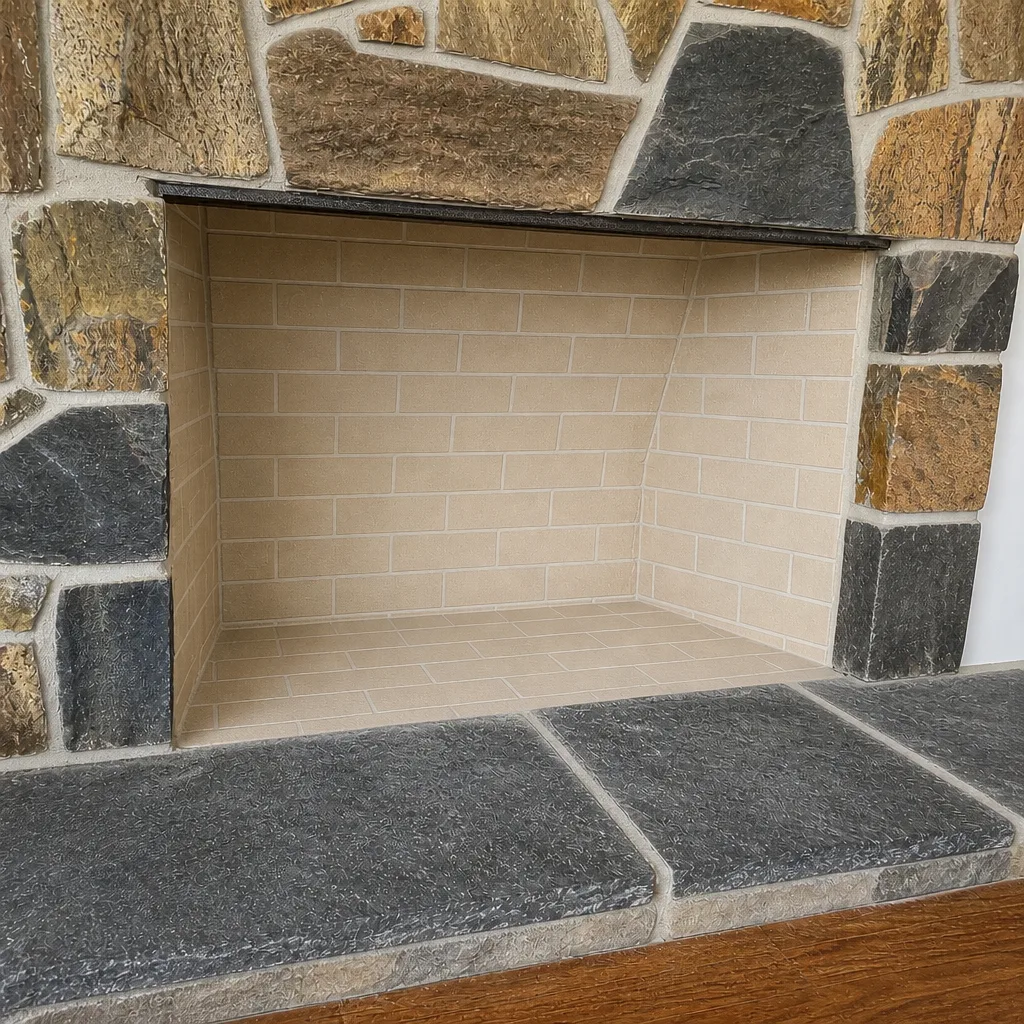
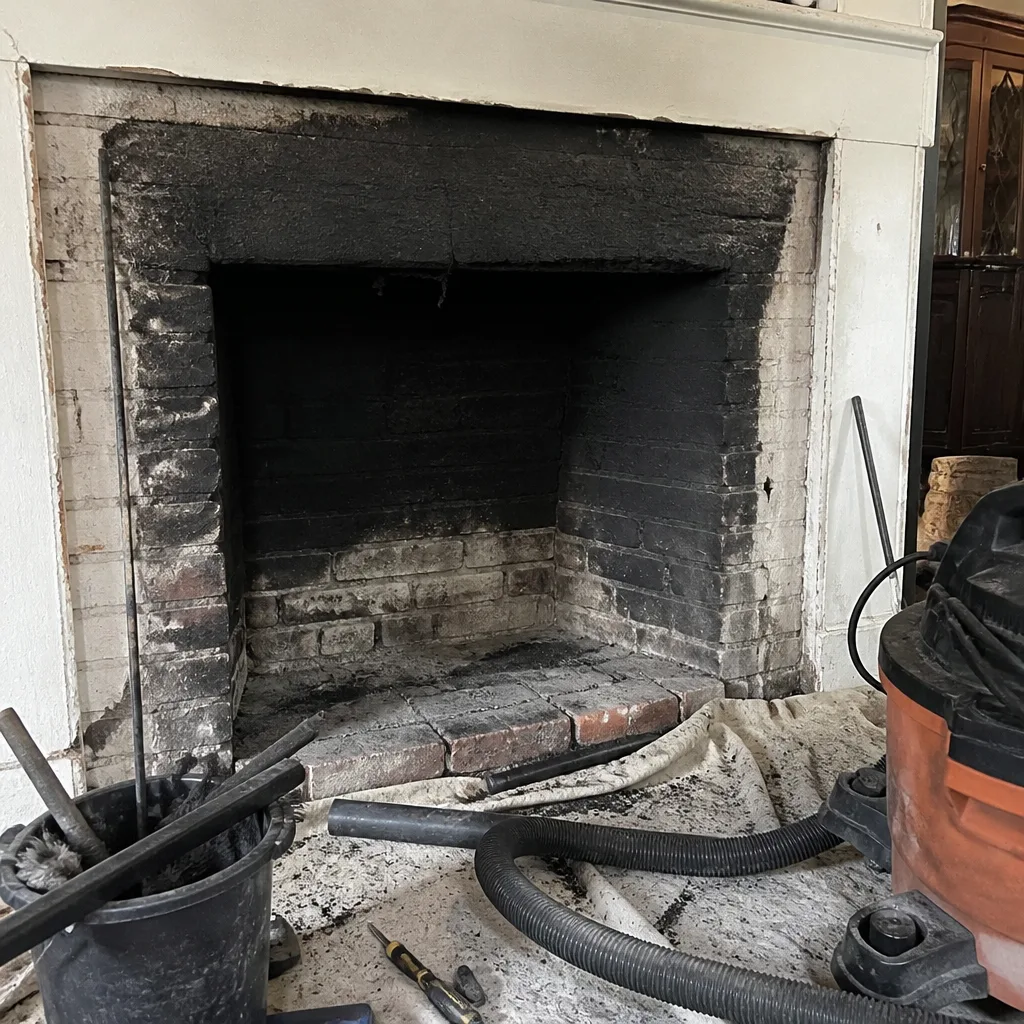
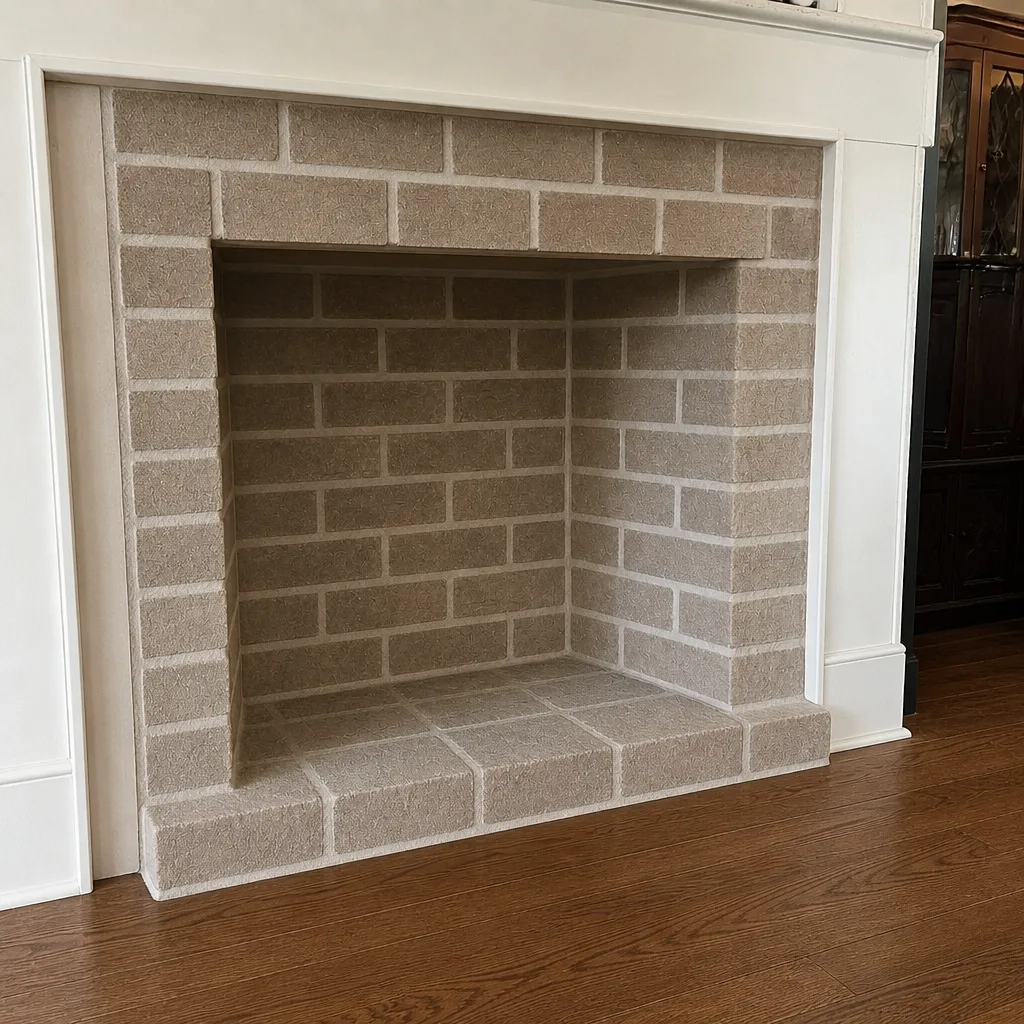
See the difference
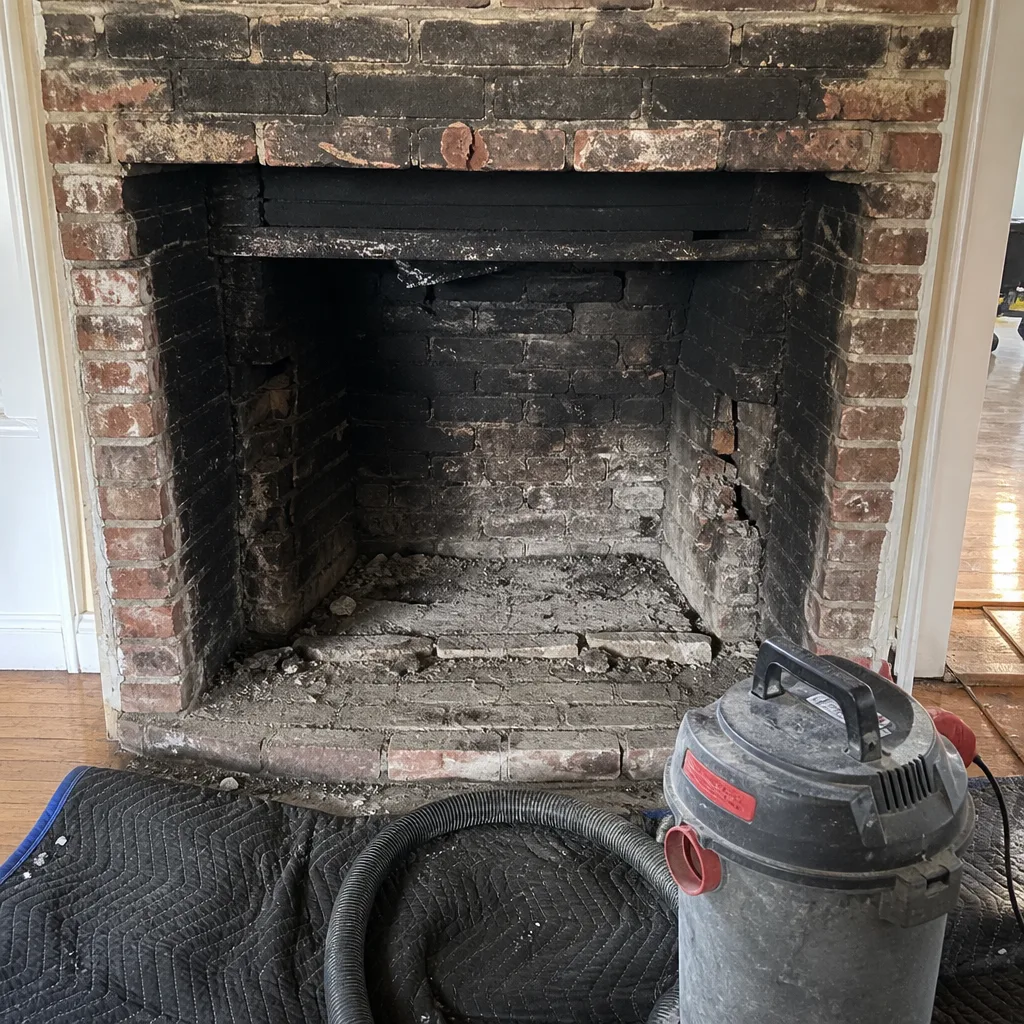 Before
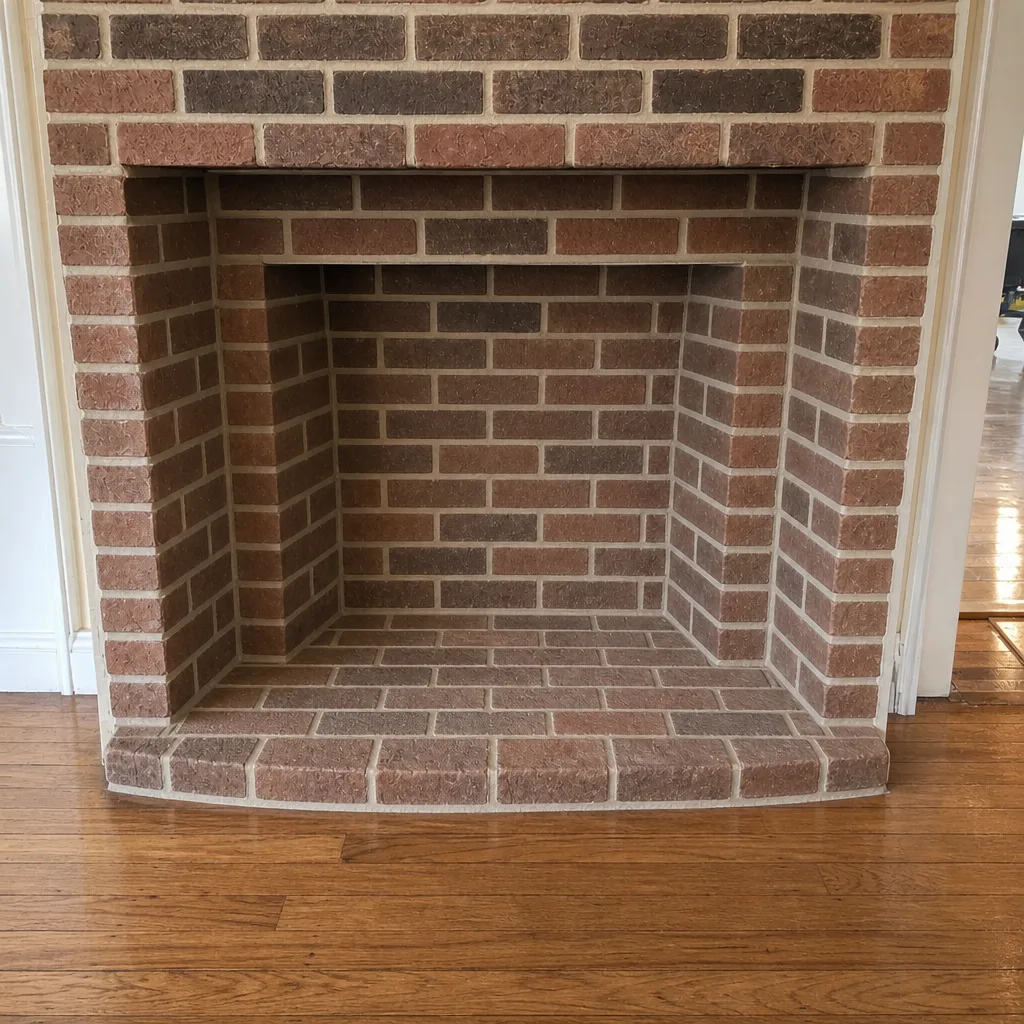 After
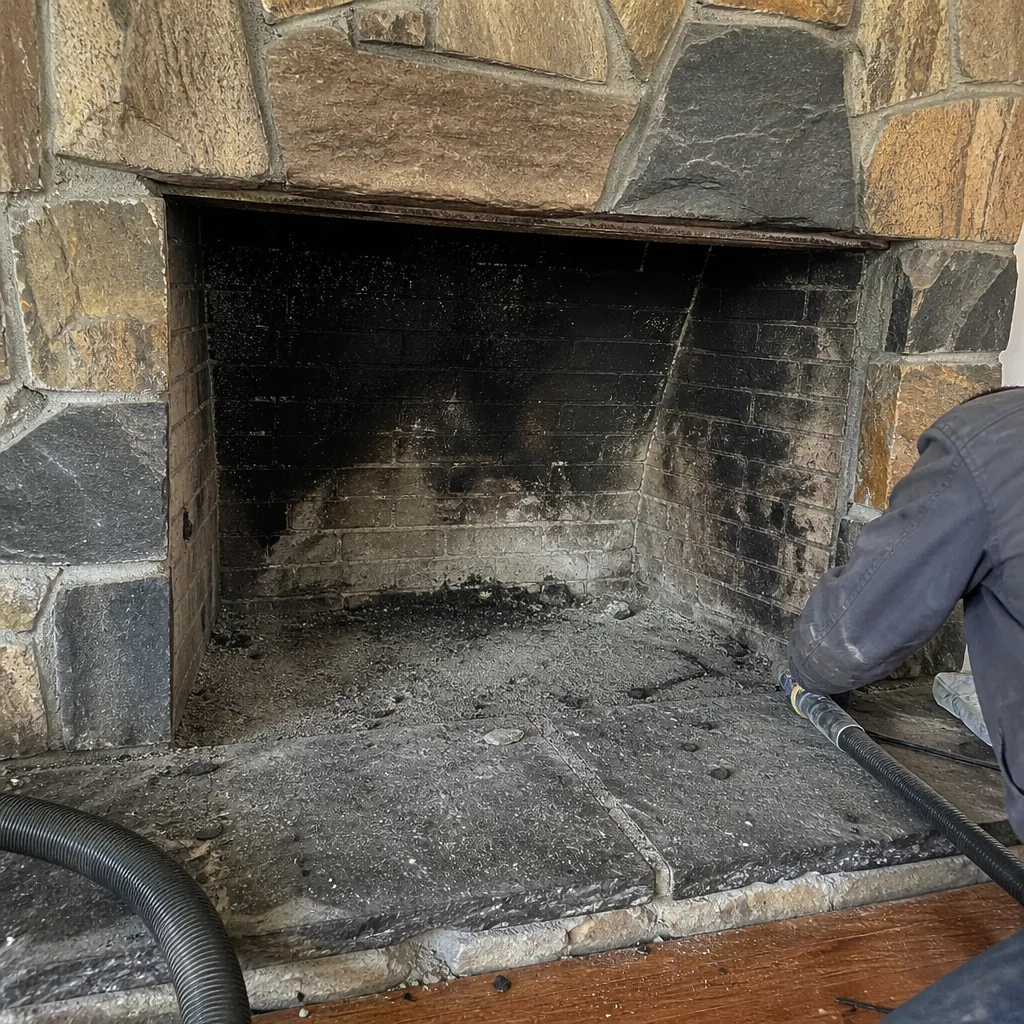 Before
 After
 Before
 After
When to Call a Professional
Call a professional sweep when any of the following is true: you can’t verify your liner’s condition, the deposit looks glazed rather than flaky, the chimney has an offset or a smoke chamber you can’t see into, roof access isn’t something you do, or you need a documented inspection for insurance or a sale. Those five situations cover most Williamsburg homes, and each one is a case where the brush-and-rod approach doesn’t produce a safe outcome. The stakes are real: creosote fires and carbon monoxide exposure are both well-established risks of an unmaintained flue, and neither is a hazard to ignore. Chimney Sweep Williamsburg offers free estimates in Williamsburg. Call (855) 301-8570. We answer 24/7. Fast dispatch from 7am to 7pm, Sunday through Friday.
Frequently Asked Questions
Most professional sweeps in Williamsburg are quoted per job, and the price is set by the written estimate after the technician sees the chimney. The variables that move the number are the deposit stage, the flue length, whether a camera inspection is included, and whether any cap or crown work is needed on the same visit. The estimate is free, and the price is agreed before the sweep is booked. Call (855) 301-8570 for an exact quote.
Yes, on a narrow set of chimneys: a straight flue, a verified-intact liner, first-degree creosote, and safe roof access. Most chimneys don’t clear all four, and the third one, creosote stage, is the one homeowners can’t judge from the firebox. If you can’t confirm all four, a professional sweep is the right answer. Call (855) 301-8570 to book an inspection that settles the question.
They’re separate services, and a sweep removes deposit while an inspection assesses the condition of the whole system: liner, crown, cap, smoke chamber, and mortar joints. Many homeowners have both done on the same visit. If you need a standalone inspection for a real-estate sale or an insurer’s request, Chimney Sweep Williamsburg offers that as its own service. Call (855) 301-8570 to schedule.
A sweep is cleaning. An inspection is a documented assessment of the chimney’s condition, usually with a camera and a written report with photos. A sweep can tell you the flue is now clean. An inspection tells you whether the flue, liner, crown, and mortar are in shape to keep using. Both matter, and only the inspection produces a record.
Once a year for most households that burn regularly during the heating season, timed before the first fire rather than after. Homes that burn lightly, or that burn well-seasoned hardwoods, can sometimes extend that, but only after an inspection confirms the deposit level is low. Call (855) 301-8570 to book a seasonal sweep.
Creosote keeps accumulating, and the stage progresses. A flue that would have been a first-degree brush-off in September can be a glazed second-degree job by January, and in the worst cases a third-degree deposit that requires professional removal before the chimney is safe to use. The other risk is that a small liner crack or crown issue goes from a repair to a relining job. Call (855) 301-8570 for an inspection before the season starts.
The Bottom Line
DIY chimney cleaning is a genuine option for a narrow slice of Williamsburg chimneys: straight flue, verified liner, dry soot, safe roof access. For the majority, one of those conditions fails, and the failure is usually invisible from the firebox. The equipment cost of a real DIY setup is higher than the videos suggest, and the part a brush can’t do, assessing liner cracks, smoke chamber condition, and mortar joints, is the part that protects the house. The five-question decision tree above settles it honestly. If you can’t answer all five with confidence, book the professional sweep and get the camera report that goes with it.
If you’re ready to get an answer on your own chimney, Chimney Sweep Williamsburg is one call away. Our technicians have up to 12 years of experience, we work with professional-grade products like DuraFlex and HeatShield, and we handle the full chimney lifecycle: sweep, cap and crown, repair, fireplace repair, and standalone inspection. The estimate is free, the price is set by the written estimate, and nothing gets recommended without camera evidence you can see for yourself. Call (855) 301-8570. We answer 24/7. Fast dispatch from 7am to 7pm, Sunday through Friday. For a broader look at what we do, start with Chimney Sweep Williamsburg.
Written by the team at Chimney Sweep Williamsburg.