
Last updated November 22, 2026
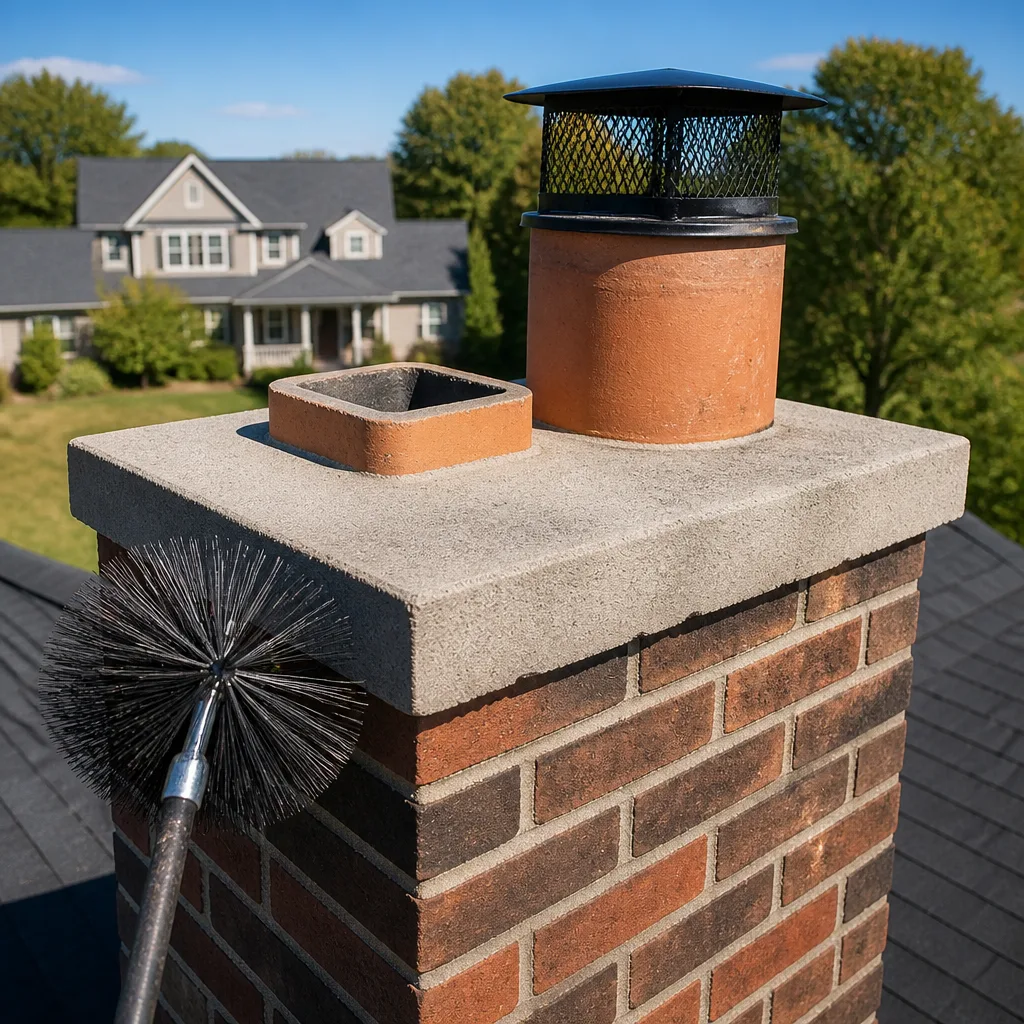 Sweep & inspection
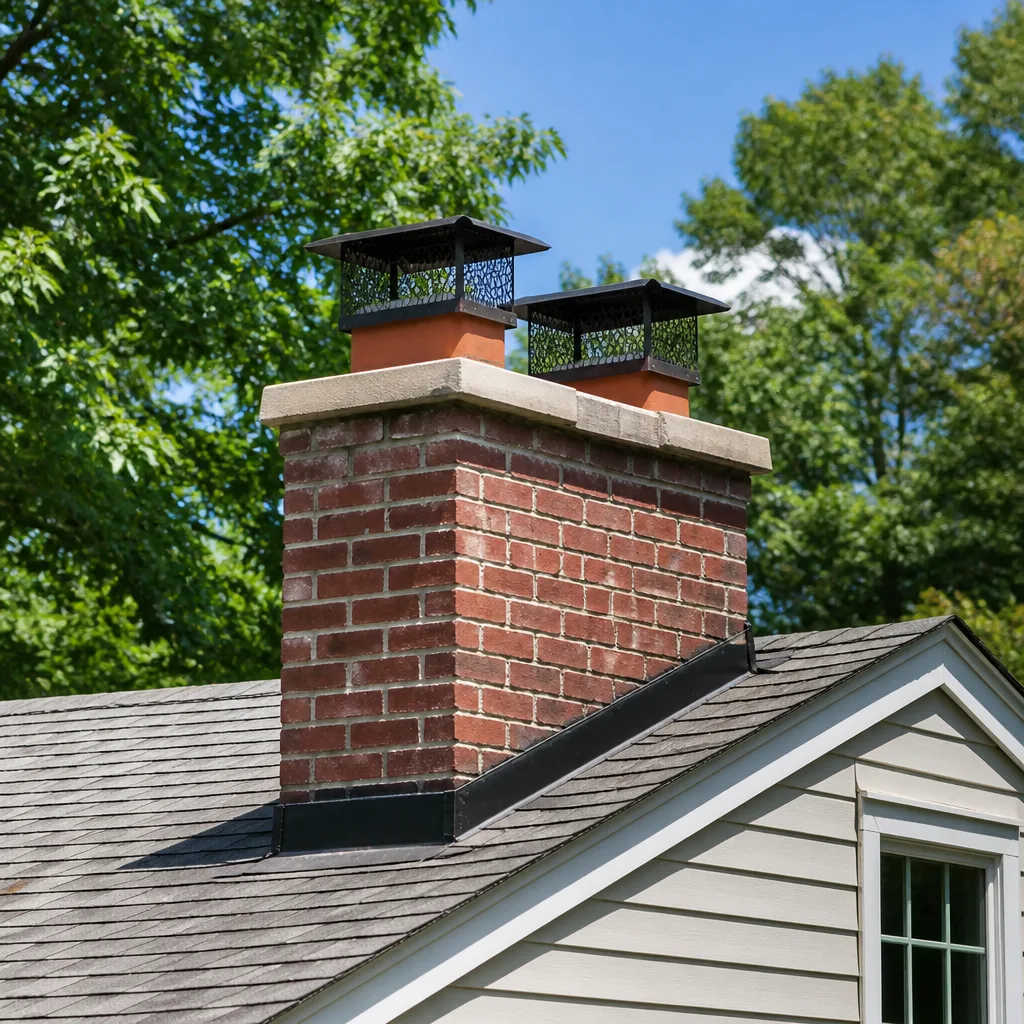 Caps & crowns
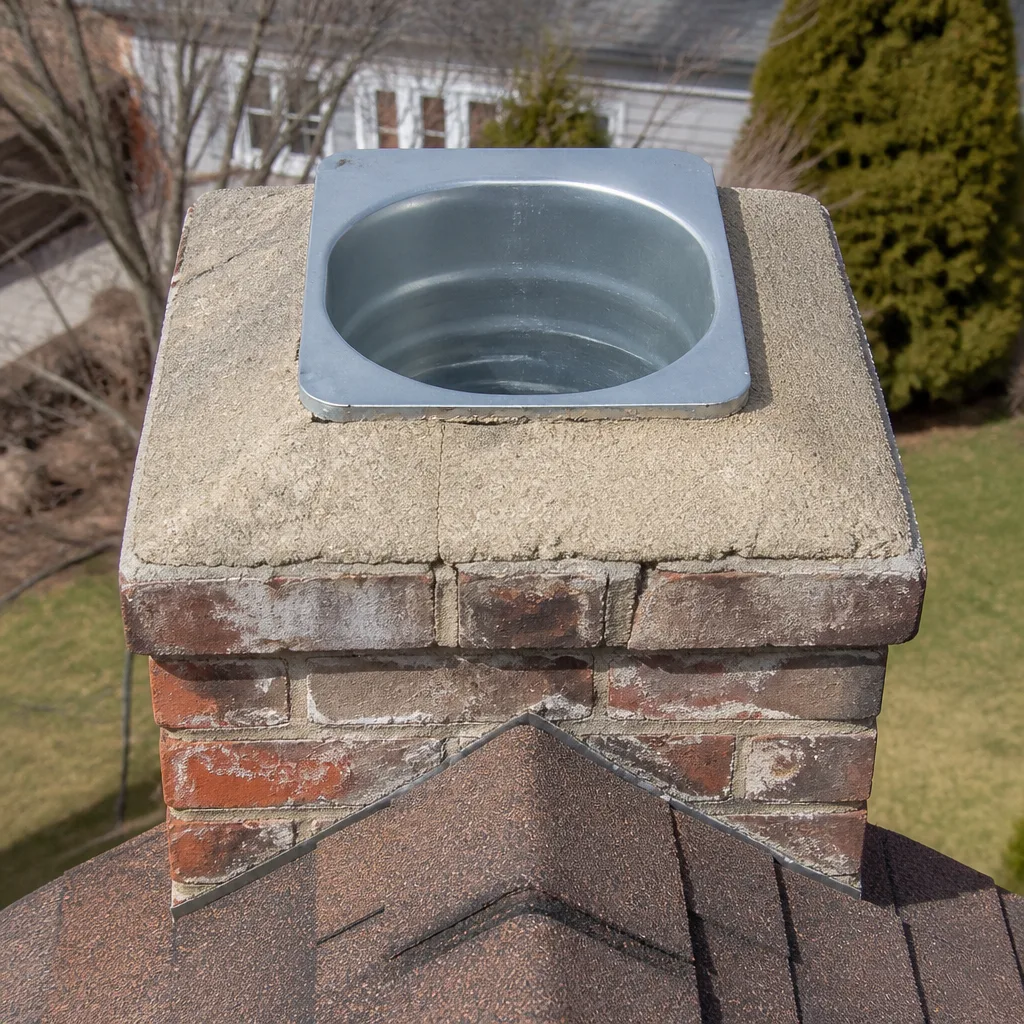 Flue relining
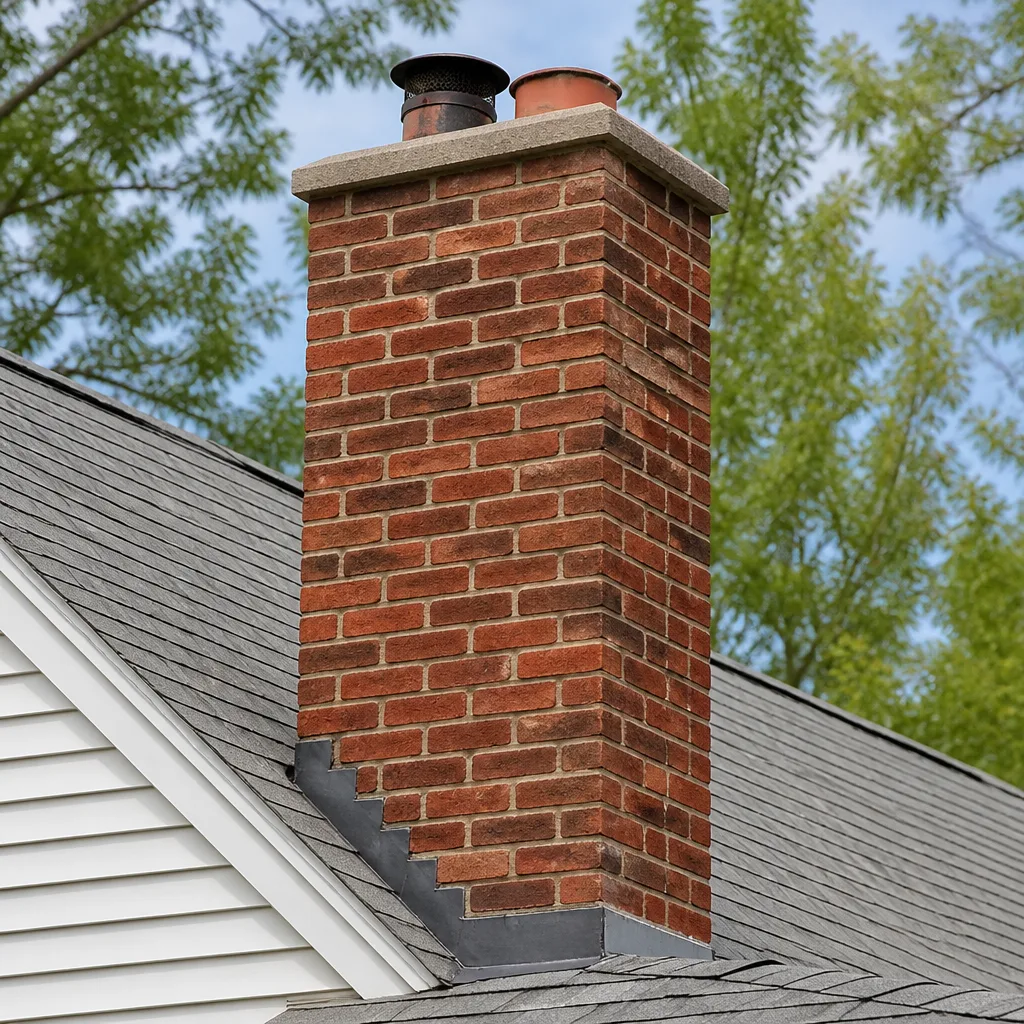 Masonry repair
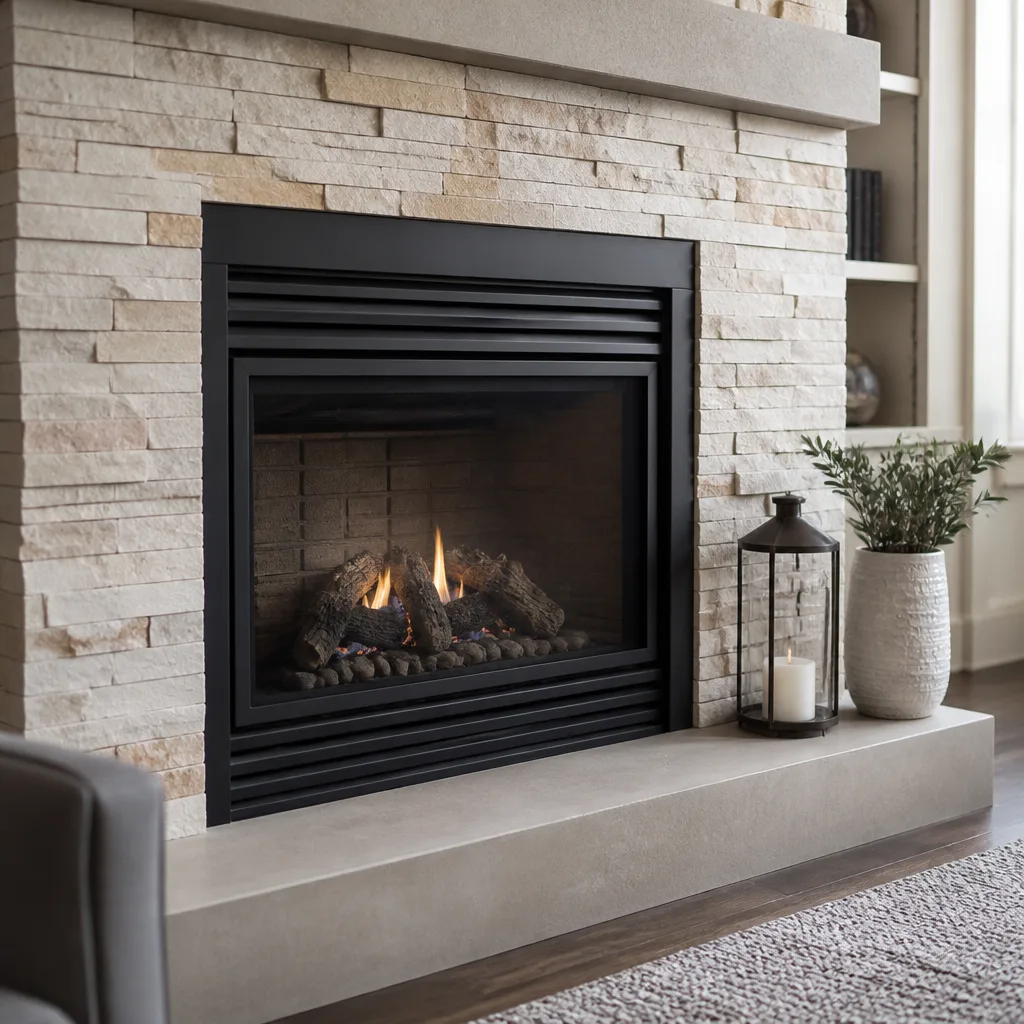 Gas fireplace service
Level 1 sweep and inspection to the NFPA 211 annual standard - flue, crown, cap, and flashing checked and photographed
Chimney sweep logs do not sweep chimneys. They loosen some creosote - which then falls where a brush and vacuum still have to collect it.
Chimney Sweep Maintenance Checklist for Williamsburg Homeowners
Generic chimney checklists tell you to “check the mortar joints.” They don’t tell you that a hairline crack in the smoke chamber means something completely different than a hairline crack in the firebox floor. Conflating the two either causes unnecessary panic or lets a dangerous problem slide. In Williamsburg, where a large share of homes are attached brownstones with shared flue walls and flat-roof setbacks, that distinction matters more than in a suburb of detached houses. This guide pairs every checkpoint with the specific red flag that tells you you’ve crossed from maintenance into repair. You’ll learn which items you can verify yourself, which require a trained sweep, and what a failing component actually looks and sounds like.
Quick Answer
A chimney maintenance checklist for a Williamsburg homeowner should cover three tiers: what you can see and test yourself (damper operation, visible brick, cap condition), what a sweep verifies during an annual cleaning (creosote levels, flue obstructions, flashing), and what only a camera inspection can confirm (liner integrity, smoke chamber condition). Book a professional sweep once a year if you burn regularly, and keep a written record of every visit. The checklist below separates those tiers so you know exactly where your responsibility ends and a professional’s begins.
Styles & brands we work with
- Sweep & inspection
- Caps & crowns
- Flue relining
- Masonry repair
- Gas fireplace service
Table of Contents
- The Three Tiers of Chimney Maintenance
- Tier 1: What You Can Check Yourself
- Tier 2: What a Sweep Verifies During Cleaning
- Tier 3: What Only a Camera Inspection Catches
- Williamsburg Factors: Shared Flues, Flat Roofs, and Freeze-Thaw
- Reading Your Damper: Healthy vs. Failing
- Documentation: The Paper Trail That Protects You
- Deferred Maintenance vs. Emergent Repair: When Delay Costs More
The Three Tiers of Chimney Maintenance
Most chimney problems fall into one of three categories, and each category belongs to a different set of eyes. A chimney is a system, and no single inspection level covers every component. Sorting your checkpoints by tier prevents two common errors: paying for a professional inspection when a visual check would do, and relying on your own visual check when the problem sits behind a liner wall you can’t see.
Tier 1 belongs to you. These are the visible, testable items that don’t require climbing, opening panels, or handling anything sharp or hot. You can check them from the hearth and from ground level outside. Tier 2 belongs to a trained sweep during an annual cleaning. These are the conditions that require the right tools, a ladder, and the experience to distinguish normal wear from a developing failure. Tier 3 belongs to a formal camera inspection, where a technician runs a video scope through the flue and records what the interior surfaces actually look like.
In Williamsburg, that third tier carries extra weight. Many brownstones and row houses share a party-wall chimney stack, which means two households’ flues run through one masonry mass. Damage on one side can compromise the other, and it’s invisible from either hearth. A camera inspection is the only way to confirm that a shared flue wall is intact. It’s also the record that matters when a co-op board, an insurer, or a buyer’s attorney asks for proof of chimney condition.
How often each tier should run
- Tier 1 (self-check): Before the first burn of the season, and again at the end of the heating months.
- Tier 2 (professional sweep): Once a year for regular burners, or whenever creosote buildup reaches a quarter inch or more.
- Tier 3 (camera inspection): At a home purchase or sale, after any chimney fire, after a lightning strike or structural event, and on a schedule your sweep recommends based on what they find.
Tier 1: What You Can Check Yourself
Your own inspection catches the obvious problems before they become expensive ones. None of these steps requires tools beyond a flashlight and a mirror on a handle. If any item raises a flag, note what you saw and when, then mention it when you book your chimney sweep.
From inside the house
- Damper operation: Open and close it fully. It should move with steady resistance, not grind, not stick, and not wobble on its hinge (more on this in the damper section below).
- Firebox surfaces: Look for cracks in the firebrick, crumbling mortar between bricks, and any white chalky staining that suggests moisture is moving through the masonry.
- Creosote in the firebox throat: Shine a light up past the damper. Glossy, tar-like deposits are a sign the flue needs attention soon.
- Smoke performance: When you light a fire, does smoke drift into the room before the flue warms? A little is normal. Persistent backdraft means the draft path is compromised.
- Odor between fires: A strong creosote smell in warm weather is a sign of buildup, not just stale air.
From outside, at ground level
- Cap condition: Is the cap present, attached, and free of rust holes? A missing or loose cap lets rain and animals straight into the flue.
- Crown condition: The concrete crown at the top of the stack should slope away from the flue and show no wide cracks. Hairline surface checking is normal; a crack you could slide a coin into is not.
- Brick and mortar: Look for spalling (brick faces flaking off), crumbling mortar joints, and any lean in the stack.
- Flashing: Where the chimney meets the roof, the metal flashing should sit tight with no lifted edges, open seams, or sealant peeled away.
- Staining on the masonry: Dark streaks below the crown or along the stack mean water is getting in somewhere.
Record what you find. Photograph the cap and crown with your phone, because that’s your baseline for next year’s comparison. If any outside item looks questionable, our chimney cap & crown service covers both the diagnosis and the fix.
Tier 2: What a Sweep Verifies During Cleaning
A professional sweep sees things from the roof and inside the flue that you can’t. During a cleaning, the technician is checking a specific list of conditions, and a good sweep will walk you through what they found before they leave. These are the items to ask about by name if they don’t volunteer them.
- Creosote level and type: There are three grades, from light soot to hard glazed deposits. The glazed grade is the one that carries real fire risk, and it often needs more than a brush to remove.
- Flue obstruction: Nests, leaves, a dislodged brick, a fallen cap screen. Any of these blocks draft and pushes carbon monoxide back into the living space.
- Flashing and roof transitions: The sweep checks the seal where the chimney passes through the roof, especially around flat-roof setbacks.
- Cap and crown condition: Confirming what you saw from ground level, then inspecting up close.
- Mortar joint soundness: Both on the external stack and at the interior flue joints where accessible.
- Damper function: Tested from above and below for full travel.
- Smoke chamber condition: This is the tapered space above the damper and below the flue. It’s the most commonly neglected part of the system and the one that suffers most from moisture.
- Debris in the smoke shelf: The shelf sitting behind the damper collects dropped material, and it’s a common source of poor draft when clogged.
In our experience, the smoke chamber is where most homeowners are surprised. A sweep opens the damper, looks up, and finds a parged surface that’s cracked and spalling. That’s the point where a cleaning checklist turns into a repair conversation. A proper repair here can mean ceramic resurfacing with a product like HeatShield rather than a full rebuild.
Tier 3: What Only a Camera Inspection Catches
A camera inspection is a separate service from a cleaning, and a formal chimney inspection covers the flue interior, liner, and hidden components that a sweep can’t confirm from the hearth or roof. In Williamsburg, where shared party-wall stacks and pre-war masonry are common, this is often the most valuable tier for a homeowner to schedule.
What the camera reveals
- Liner cracks and gaps: Missing mortar at flue tile joints, cracks running the length of a tile, or tiles that have shifted out of alignment.
- Liner material condition: Whether the liner is clay tile, cast-in-place, or a flexible stainless system like DuraFlex, and whether that material is still performing its job.
- Offset and transition condition: Where the flue changes direction or diameter, the joint is a common failure point.
- Hidden creosote in offset sections: Brushes can miss glazed deposits in the angled sections of an offset flue.
- Water intrusion evidence: Staining, efflorescence, or deteriorating mortar inside the flue as a sign that the crown or flashing is failing above.
- Structural concerns in the smoke chamber: Corbeled brick that’s spalled or mortar that’s washed out.
When you need a formal inspection rather than a cleaning
- You’re buying or selling a property and need a written report.
- Your insurer has asked for documentation of chimney condition.
- You’ve had a chimney fire, even a small one, or a lightning strike.
- You’ve noticed smoke problems that a cleaning didn’t solve.
- Your sweep flagged an issue during cleaning that needs confirmation.
We offer inspection as a standalone service, not only bundled with cleaning, so buyers, sellers, and homeowners handling an insurance request can get the report they need without paying for work they don’t. The report should include photos of what the camera sees so you can review the evidence yourself, not just take a verbal summary.
Williamsburg Factors: Shared Flues, Flat Roofs, and Freeze-Thaw
Williamsburg’s building stock creates chimney conditions you won’t find in most American towns. Attached row houses and brownstones share party walls, and those walls often enclose two separate flues running side by side through one masonry mass. When one owner re-lines or repairs their flue, the work touches a shared structure, and that has real implications for both households.
Shared flue walls in attached brownstones
When two flues share a masonry wall, deterioration on one side weakens the barrier the other side relies on. A camera inspection is the only way to confirm that the party-wall section is sound. If a neighbor has reported a chimney problem or has had a chimney fire, it’s worth getting your own flue scoped. Let your sweep know you’re in an attached property so they check the party-wall surfaces specifically.
Flashing issues from flat-roof setbacks
Many Williamsburg buildings have flat roofs with parapet walls, and the chimney often rises from the parapet where it meets a setback. That meeting point is a weak spot for water. Flashing on a flat-roof transition gets less protection than a pitched-roof installation, and when it fails, water travels down the inside of the masonry rather than running off. Check the flashing after any period of heavy rain. A dark stain on the ceiling near the chimney breast is a flashing symptom, not a roofing problem in most cases.
Brick deterioration from freeze-thaw on exposed facades
New York winters cycle above and below freezing repeatedly, and that’s hard on brick. Water soaks into porous brick, freezes, expands, and pushes the face off. Repeat that cycle and brick spalls. The chimney is the most exposed masonry on the building, so it takes the brunt of freeze-thaw. Look for brick faces flaking off at the top of the stack and along the south-facing side. Repointing and crown repair done early are far less expensive than rebuilding the top of a chimney that’s been allowed to deteriorate. Our chimney repair work covers crown, cap, and masonry repair, so a sweep that finds a problem can hand it directly to a repair crew without a second contractor.
Reading Your Damper: Healthy vs. Failing
The damper is the one component of your chimney system you interact with every time you build a fire, and it’s also the one that gives you the most diagnostic information without any tools. Learning what a healthy damper feels and sounds like tells you when something has changed.
What a healthy damper feels like
- The handle moves through its full range with steady, even resistance.
- It stays where you put it. A damper that drifts open on its own is worn.
- It seats flush when closed, with no gap you can see light through.
- There’s no metallic grinding, scraping, or squeal as it moves.
- The pivot pin and frame show no rust or corrosion.
What a failing damper feels or sounds like
- Grinding or scraping as it moves means the frame has warped or the pivot is corroded.
- It wobbles or sits loose on the pivot, which means the hinge has worn past the point of adjustment.
- It won’t close fully, which leaves the flue open to heat loss and to downdrafts when you’re not burning.
- It sticks partway through travel, which usually means rust or debris in the track.
- It’s frozen open and won’t move at all – often from long disuse or from heat warping.
An open damper that won’t close is a heat-loss problem. A damper that won’t open is a safety problem, because you can’t get proper draft and smoke backs into the room. Neither is a job for a homeowner to force. The damper sits at the working heart of the system, and prying a stuck one can crack the firebox or damage the frame. Book a professional to look at it. A stuck or warped damper is also a signal that the firebox and smoke chamber should be inspected while the technician is there.
Documentation: The Paper Trail That Protects You
After every service visit, keep a record. This is the step most homeowners skip, and it’s the one that saves the most trouble later. A written history of your chimney’s condition is what an insurer, an attorney, or a buyer’s inspector relies on when a question comes up.
What to keep after each visit
- The written report from the sweep or inspector, including the date and what was found.
- Photos – both of the exterior (cap, crown, brick) and any camera footage of the flue interior.
- A description of any work performed, including materials used. If a DuraFlex liner or HeatShield resurfacing was installed, keep the manufacturer documentation with the report.
- Next-service recommendations in writing, especially if the sweep recommends a specific timeline.
- Any communication with your insurer about the chimney, including the reason they requested documentation.
Why this matters in Williamsburg
Co-op boards and buyers’ attorneys in Williamsburg often ask for chimney condition records during a sale. If you can produce a clean service history with photos, you shorten the process and you defend your asking price. If you can’t, a buyer’s inspector will find the same items you would have documented, and you’ll be negotiating from a weaker position. Insurance claims work the same way. A documented history of maintenance is powerful evidence that a problem is recent and not the result of long neglect. Keep a simple folder – paper or digital – with one file per visit.
Deferred Maintenance vs. Emergent Repair: When Delay Costs More
Not every finding on a chimney checklist needs immediate action, and a good sweep will tell you which ones can wait. The judgment call is whether you’re looking at deferred maintenance (a known issue with a timeline) or emergent repair (a problem that must be addressed now because it’s creating risk or escalating cost).
Genuinely deferrable items
- A hairline surface crack in the firebox firebrick, with no missing material.
- Minor surface checking on the crown, with the slope still intact.
- A slightly stiff damper that still closes fully, worth monitoring.
- Light soot staining that hasn’t changed since last inspection.
Items that escalate if you wait
- A crown crack wide enough to admit water. Water is the primary cause of masonry failure. Crown repair done early is a modest job; crown repair delayed becomes a chimney rebuild.
- Spalling brick at the top of the stack. Each freeze-thaw cycle takes more of the brick face. The longer you wait, the more courses need replacing.
- Cracked or displaced flue tiles. A liner gap lets heat and carbon monoxide escape into the masonry and the building. This needs relining before the next burn.
- Lifted or open flashing. Small flashing repairs are affordable; the interior water damage from months of leakage is not.
- Glazed creosote in the flue. This is a fire risk, and the longer it sits, the more it hardens.
A useful way to think about the threshold: the cost of the repair grows faster than the cost of waiting, so at some point continuing to defer is the more expensive decision. That crossover is usually the first time water gets into the masonry. Once water is moving through brick, the repair has a deadline. Good documentation from your sweep helps you see that point coming.
Common Mistakes to Avoid
- Skipping the smoke chamber in your checks. Most homeowners look at the firebox and the flue and never look at the tapered space above the damper. That’s where cracked parging hides, and it’s often where a small repair can stop a bigger one.
- Assuming a shared flue in an attached property is only your neighbor’s problem. In Williamsburg’s brownstones, one compromised party wall can undermine both households. Get your own camera inspection if the neighbor has had work done.
- Forcing a stuck damper. Prying a warped or corroded damper can crack the firebox or damage the frame. If it won’t move freely, call a professional.
- Treating a new cap screen as a full cap. A screen without a properly attached top plate still lets water in. The whole cap matters, not just the mesh.
- Painting over or sealing spalling brick. This traps moisture and accelerates the freeze-thaw damage. Repointing done with the right mortar matters more than a cosmetic coat.
- Running a fire in a chimney you haven’t had swept in a year. Creosote doesn’t announce itself. A small deposit that’s been sitting through a summer is a fire risk on the first cold night.
- Not keeping the service report. In Williamsburg’s co-op and brownstone market, a documented chimney history shortens a sale and defends a claim. Without the paperwork, the same findings become a negotiation.
When to Call a Professional
Call a professional when any of these apply: you’ve noticed smoke backing into the room on a regular basis; your damper won’t open or close fully; there’s a crack, spall, or dark stain on the exterior stack or crown; the cap is missing or loose; you’ve had a chimney fire or lightning strike; the flashing has lifted; you’re buying, selling, or insuring the property and need documentation; or you simply haven’t had the system inspected in over a year. Any of these is a reason to book an inspection. Chimney Sweep Williamsburg handles inspection, sweep, cap and crown, and repair as one coordinated service, so a finding can move straight to a fix without a second contractor. We offer free estimates in Williamsburg – call (855) 301-8570. We answer 24/7. Fast dispatch from 7am to 7pm, Sunday through Friday. Our technicians have up to 12 years of experience.
Frequently Asked Questions
Once a year if you burn wood regularly, or whenever the creosote buildup reaches a quarter inch or your sweep recommends it. In an attached brownstone with a shared flue, it’s worth asking your sweep to check the party-wall surfaces during the annual cleaning, and worth scheduling a camera inspection if you’ve never had one. Call (855) 301-8570 for an exact quote – estimates are free.
Creosote continues to accumulate in the flue, and after enough buildup it becomes flammable. A coating that would have brushed off in a cleaning can become glazed and hard, which requires a more involved removal. The bigger risk is that a developing problem – a cracked flue tile, spalling brick, a lifted flashing seal – goes undetected and grows for another year. Call (855) 301-8570 to book a sweep and get a picture of your system’s actual condition.
Not always, and no repair should be recommended without camera evidence you can see. A liner needs relining when there are cracks or gaps in the flue tiles, missing mortar at the joints, or a liner that’s no longer rated for the fuel you burn. If your sweep recommends a liner, ask for the camera footage before you decide. In some cases a ceramic resurfacing with a product like HeatShield can restore a deteriorating liner without a full replacement. Call (855) 301-8570 to schedule an inspection that includes the photos.
It moves through its full range with steady resistance, stays where you set it, seats flush when closed, and makes no grinding or scraping sound. If it wobbles, grinds, sticks, or won’t close fully, it needs inspection. Don’t force a stuck damper yourself – call a professional before you try to move it.
Yes. A sweep cleans the accessible flue and reports visible condition. An inspection is a formal examination, often with a camera scope, that documents the liner, smoke chamber, and other hidden components in a written report with photos. In Williamsburg, buyers, sellers, and homeowners responding to an insurance request often need the formal report rather than a cleaning. We offer inspection as a standalone service.
You can test your damper by hand, look for visible cracks in the firebox and firebrick, check the cap and crown from ground level, and look for stains or spalling on the exterior brick. You can also photograph the cap and crown each year as a baseline. Anything that requires climbing the roof, opening the flue, or distinguishing normal wear from a developing failure belongs to a trained sweep. Call (855) 301-8570 and let a professional confirm what you’re seeing.
The Bottom Line
A chimney maintenance checklist is useful only when it tells you what each checkpoint’s red flag actually looks like. Your job is the visible and testable Tier 1 items: the damper, the firebox, the cap, the crown, the flashing, the exterior brick. A professional sweep handles Tier 2 annually, and a camera inspection covers Tier 3 on the schedule that applies to your building. In Williamsburg, the extra layer is shared flues in attached brownstones, flat-roof flashing, and freeze-thaw brick damage – all conditions that are cheap to address early and expensive to defer. Keep the paperwork from every visit. It protects you at insurance time and at sale time. And when a finding goes past maintenance into repair, don’t wait.
Contact
If you’ve worked through this checklist and have more questions than answers, or you’ve spotted something you’re not sure about, call us. Chimney Sweep Williamsburg handles inspection, sweep, cap and crown, and repair as a coordinated service, with materials from DuraFlex, HeatShield, Gelco, and Copperfield where the job calls for them. We’ll tell you what we find and why it matters. Call (855) 301-8570 for a free estimate. We answer 24/7. Fast dispatch from 7am to 7pm, Sunday through Friday, and we’re closed Saturday.
Written by the team at Chimney Sweep Williamsburg.
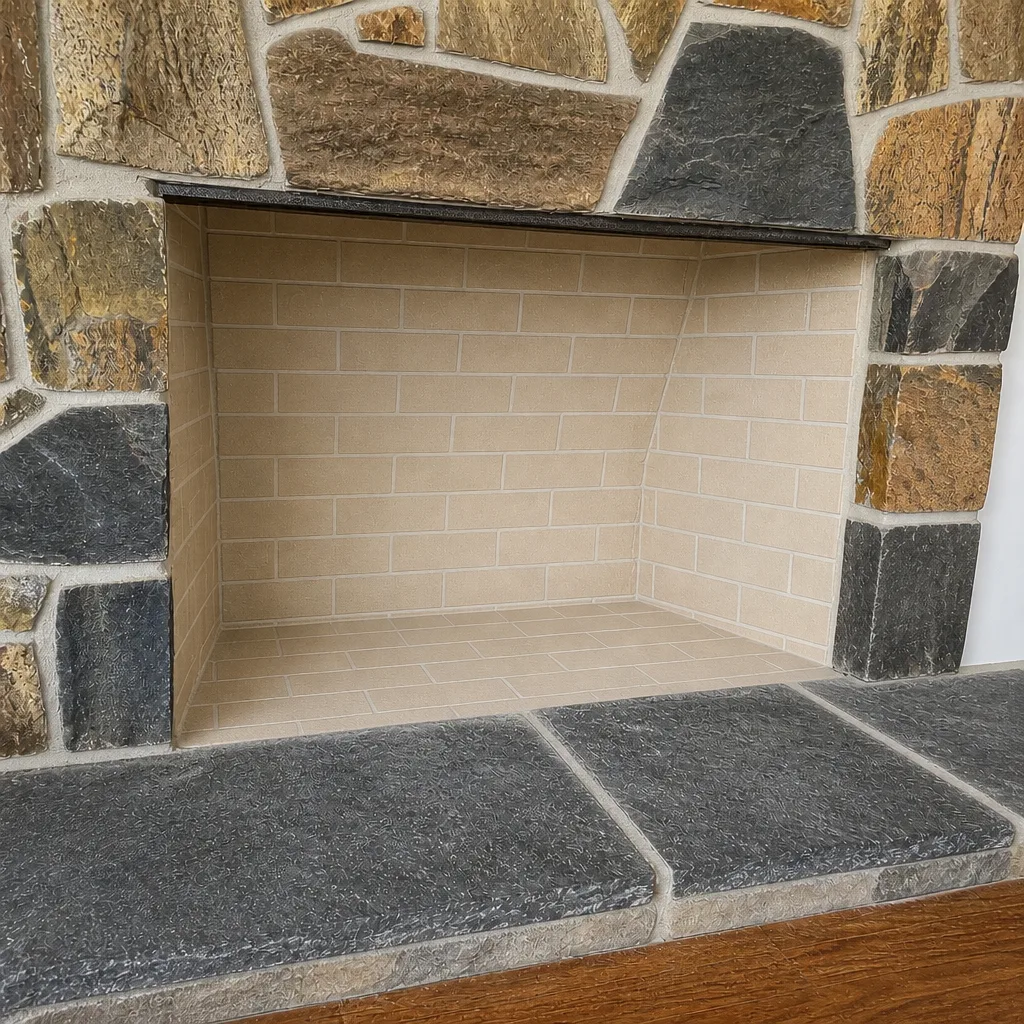
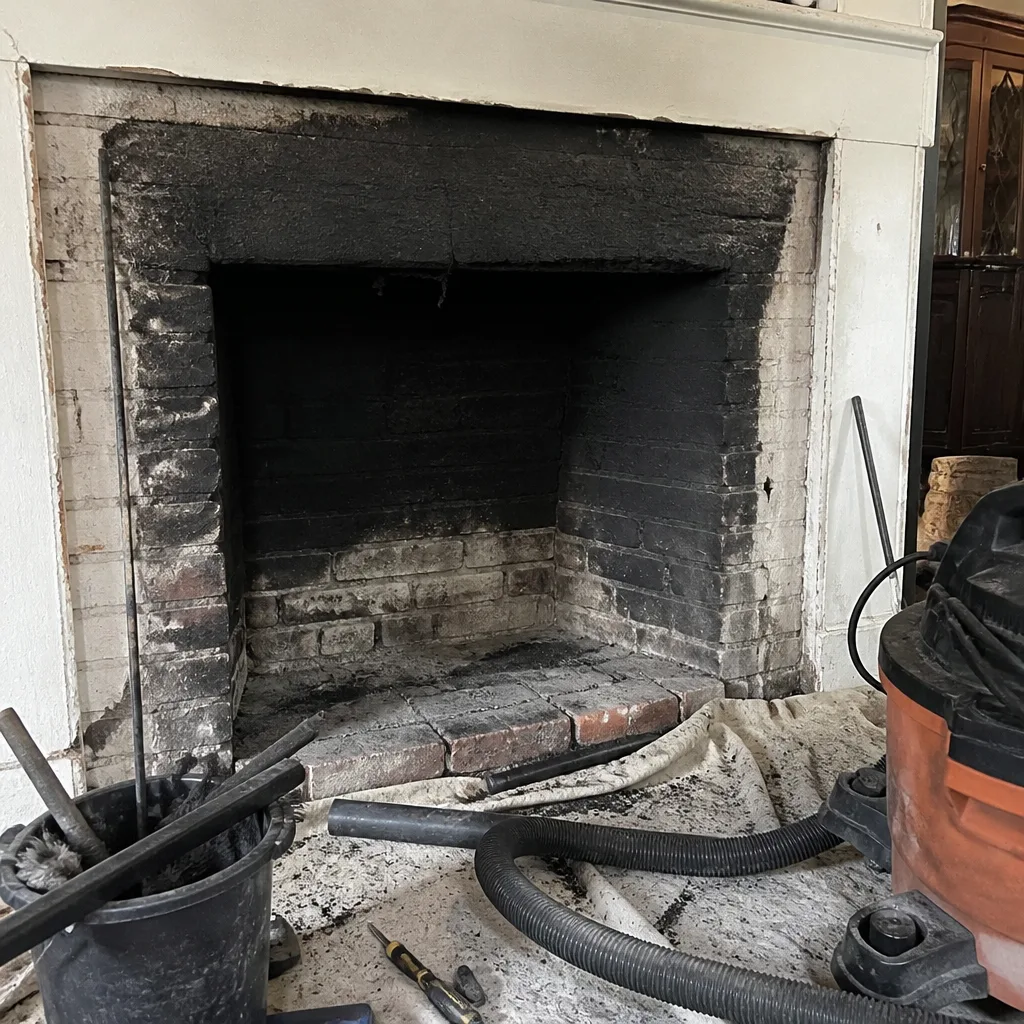
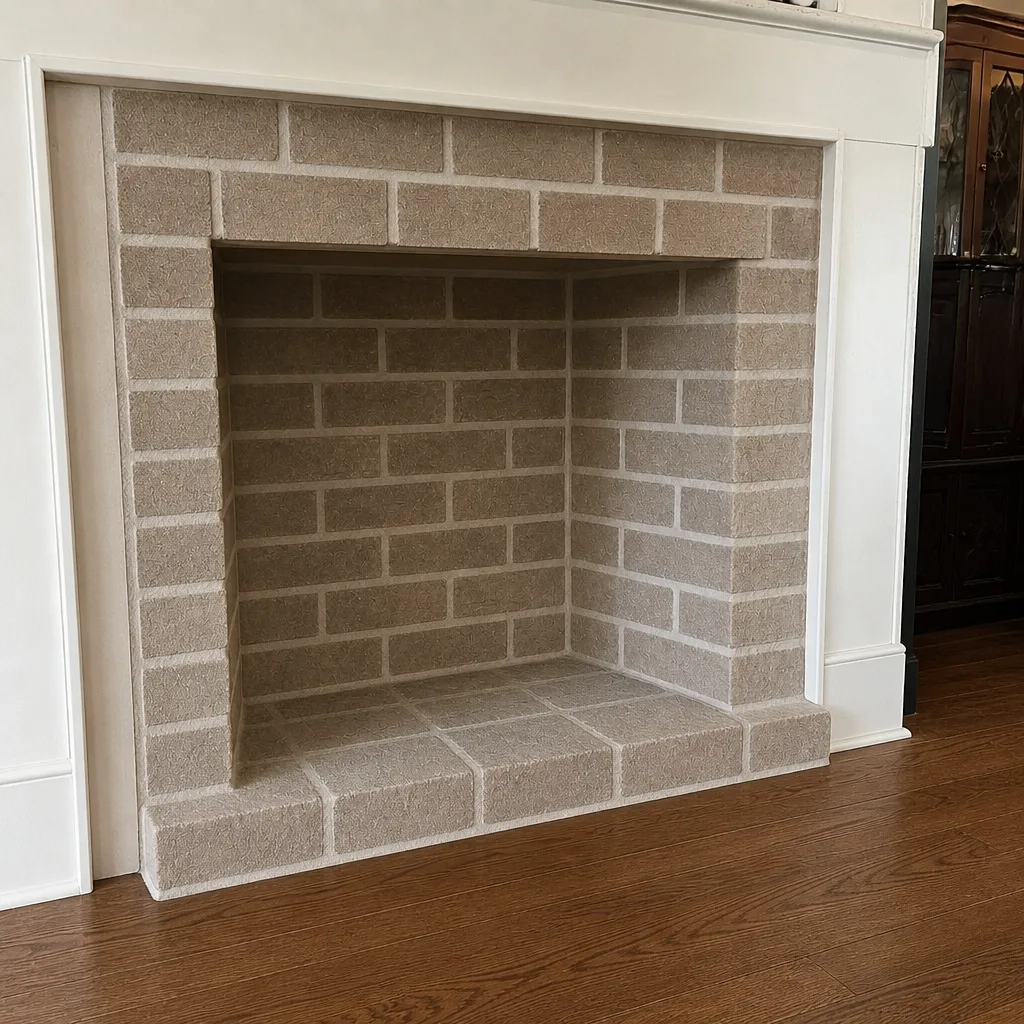
See the difference
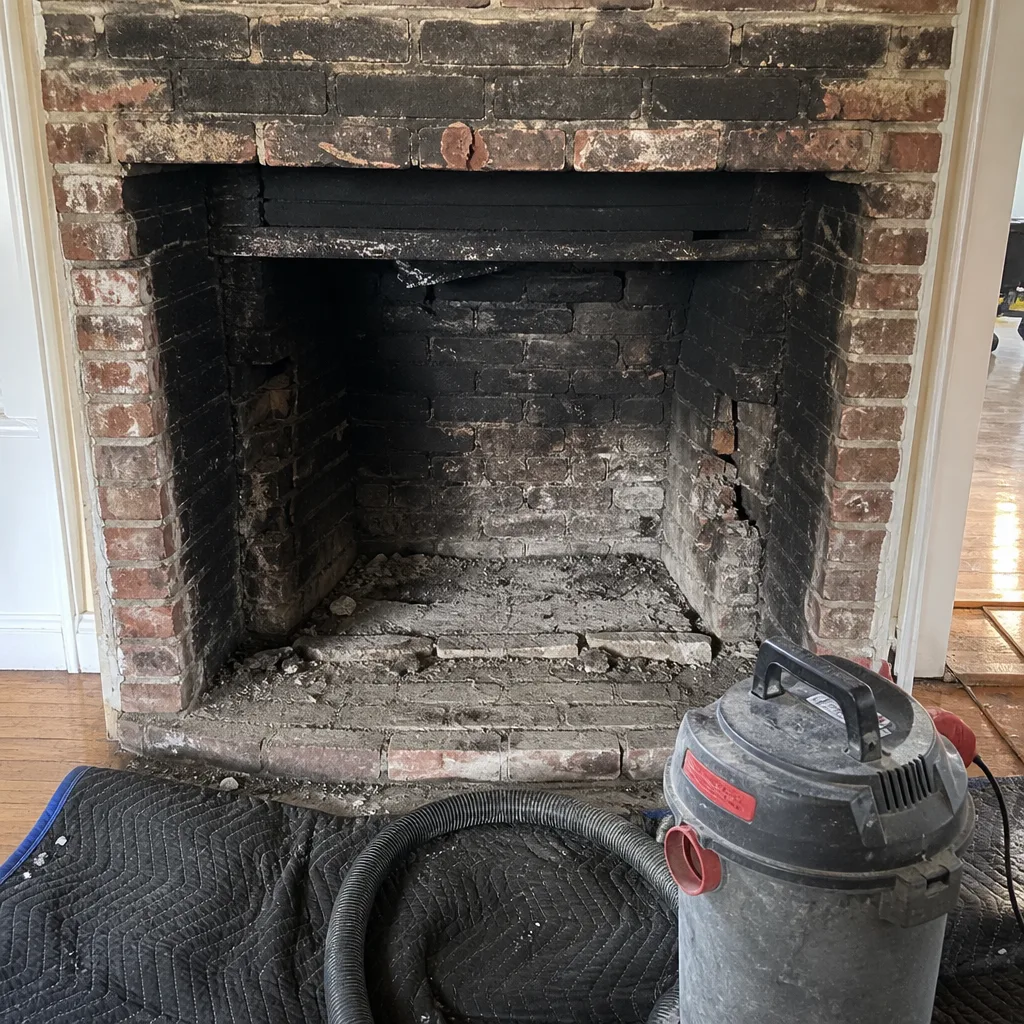 Before
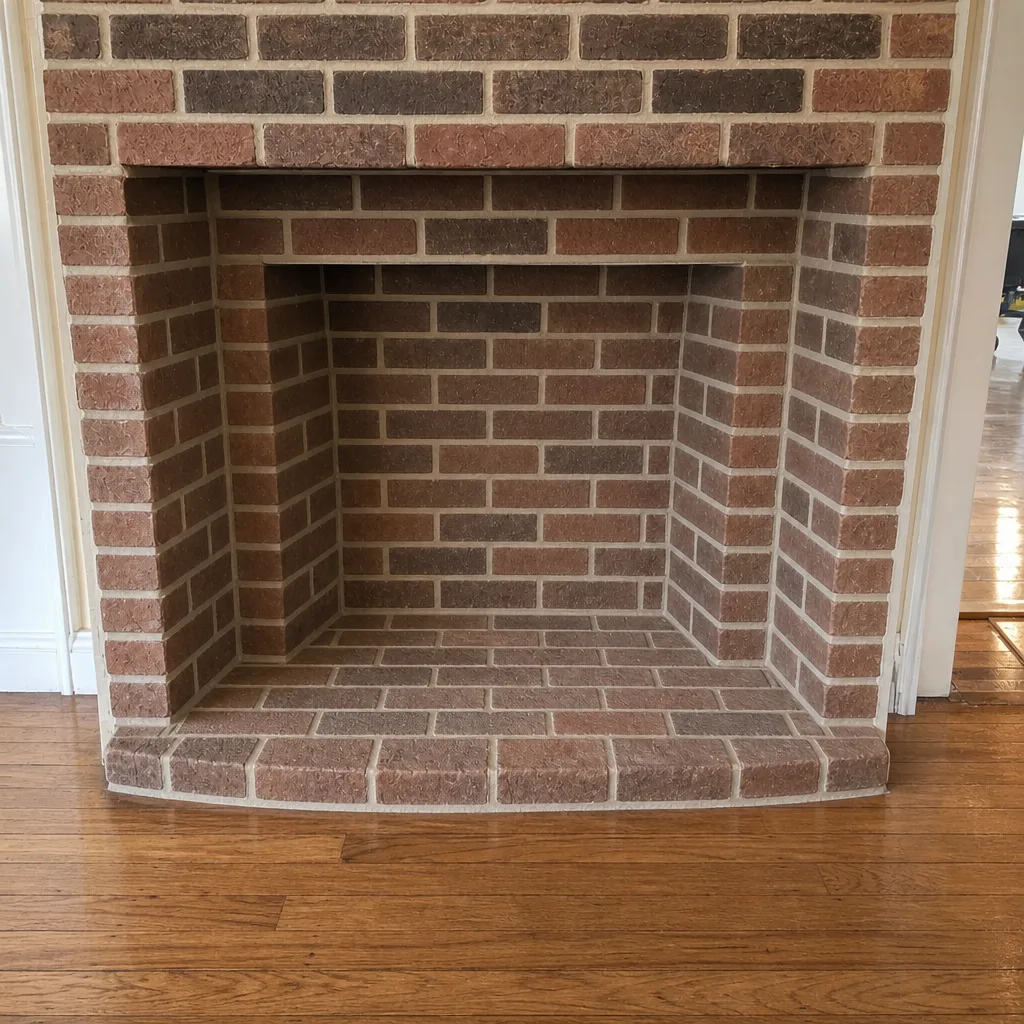 After
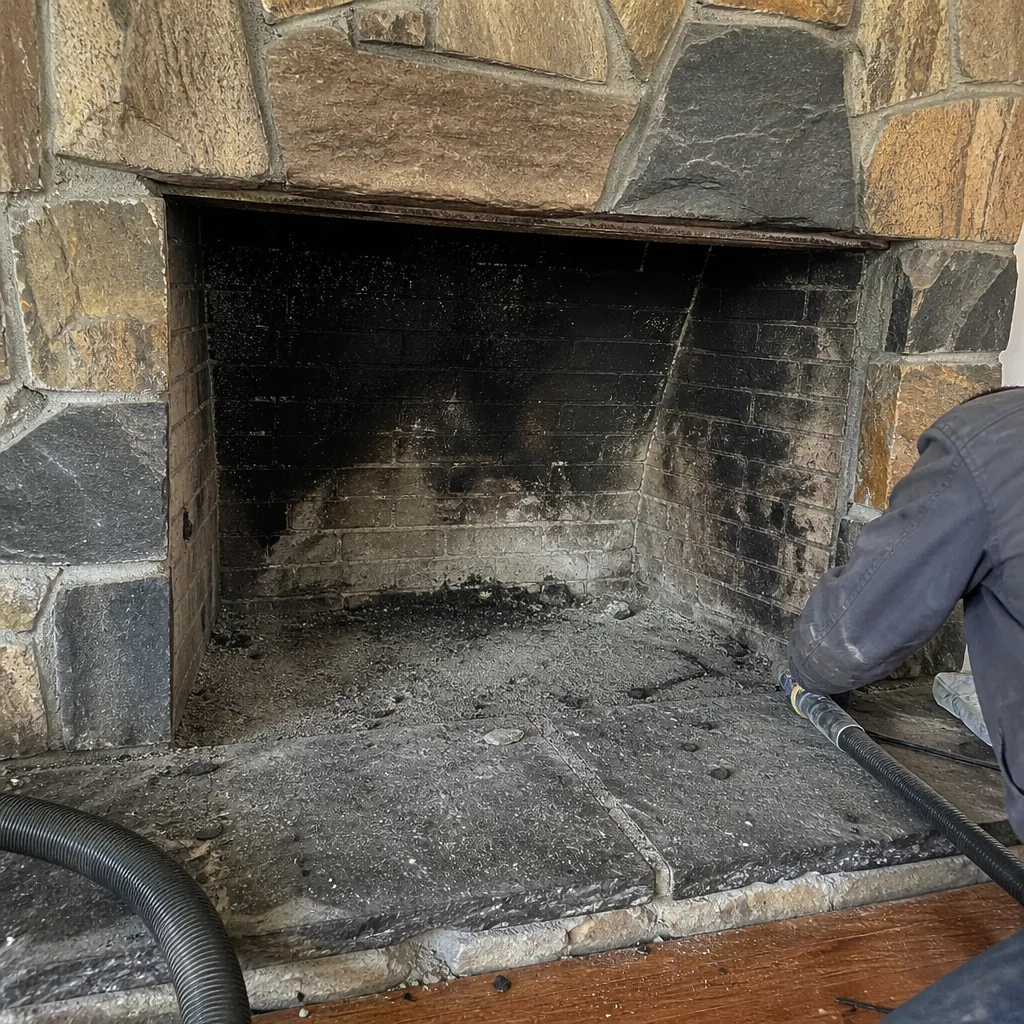 Before
 After
 Before
 After