
Last updated November 22, 2026
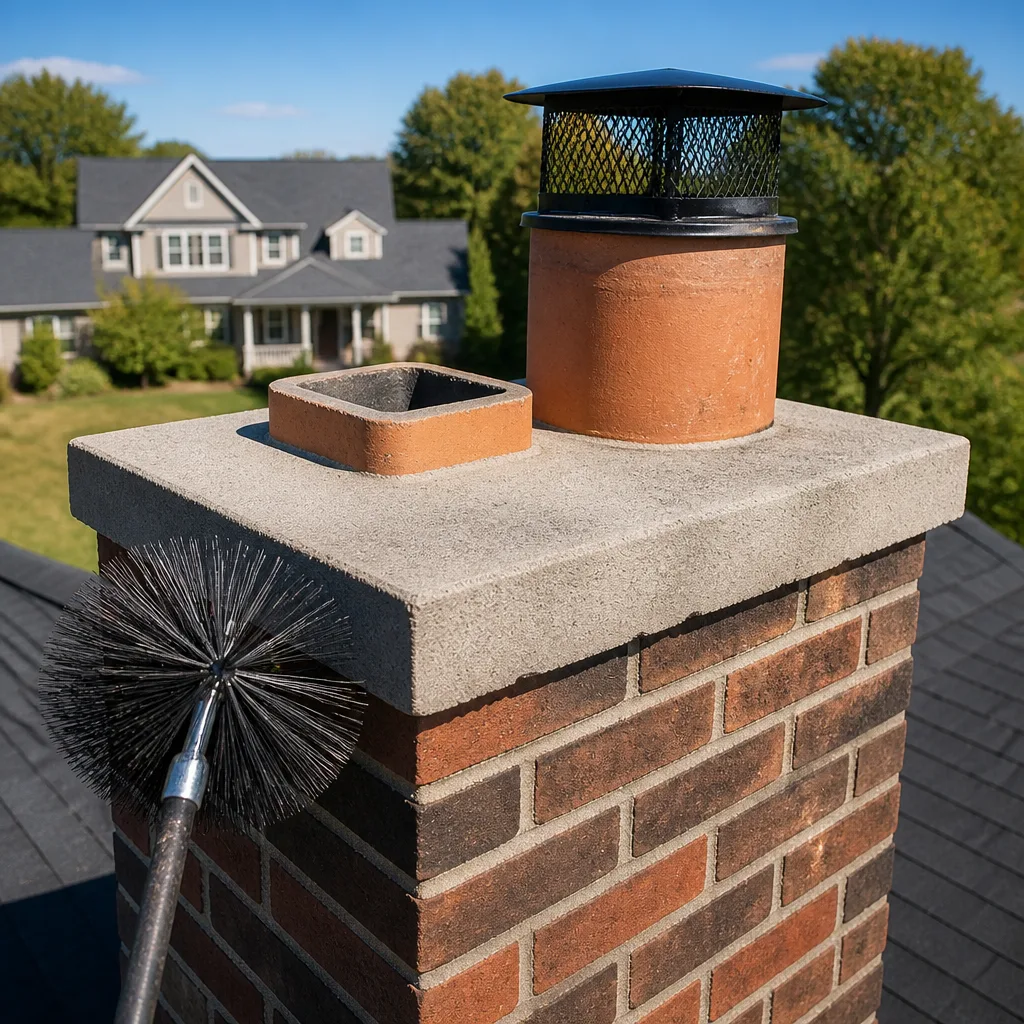 Sweep & inspection
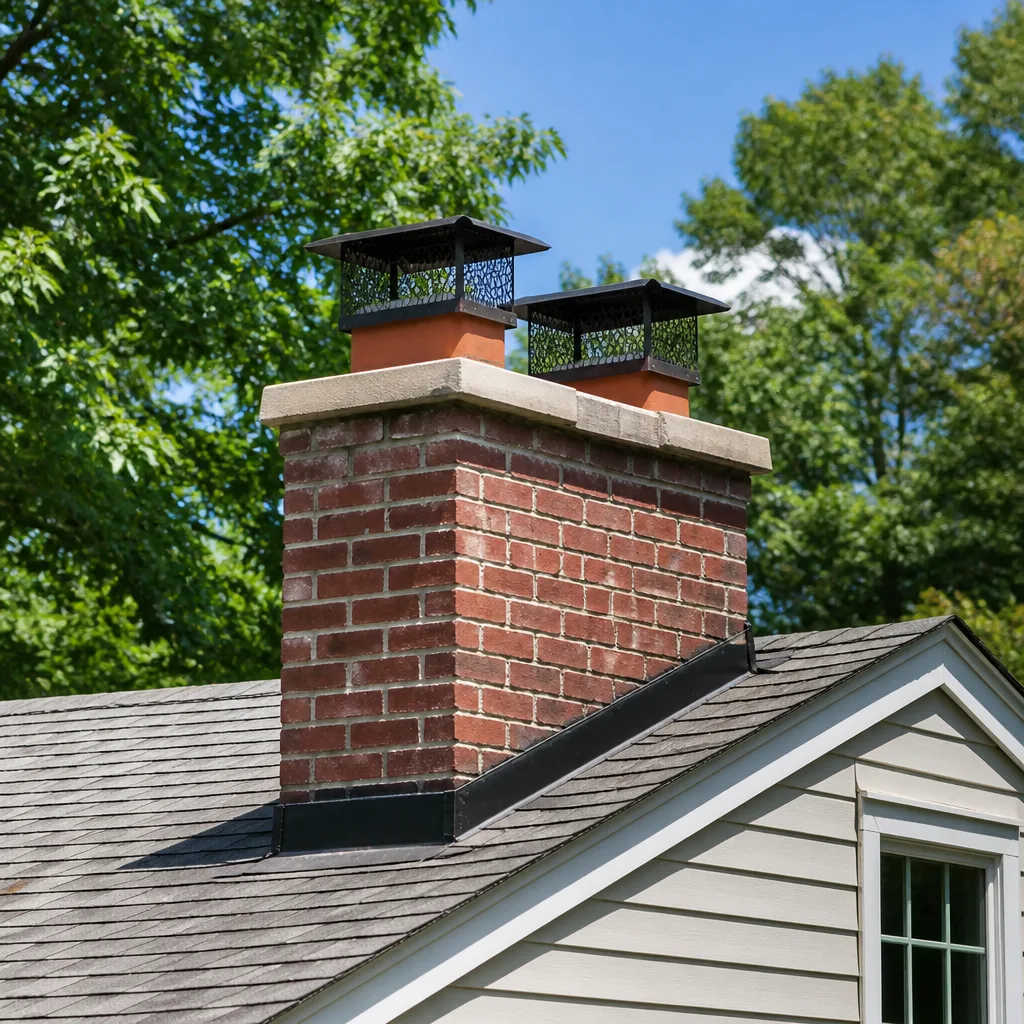 Caps & crowns
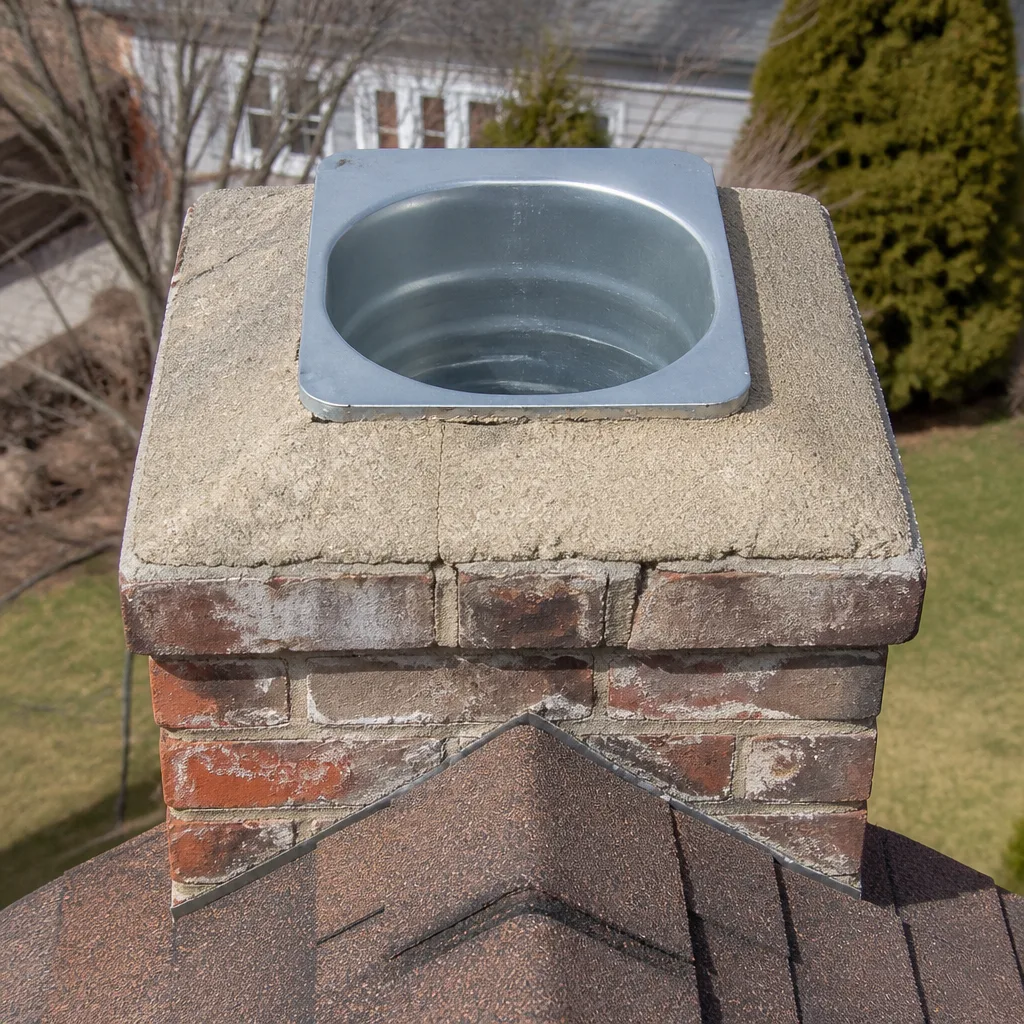 Flue relining
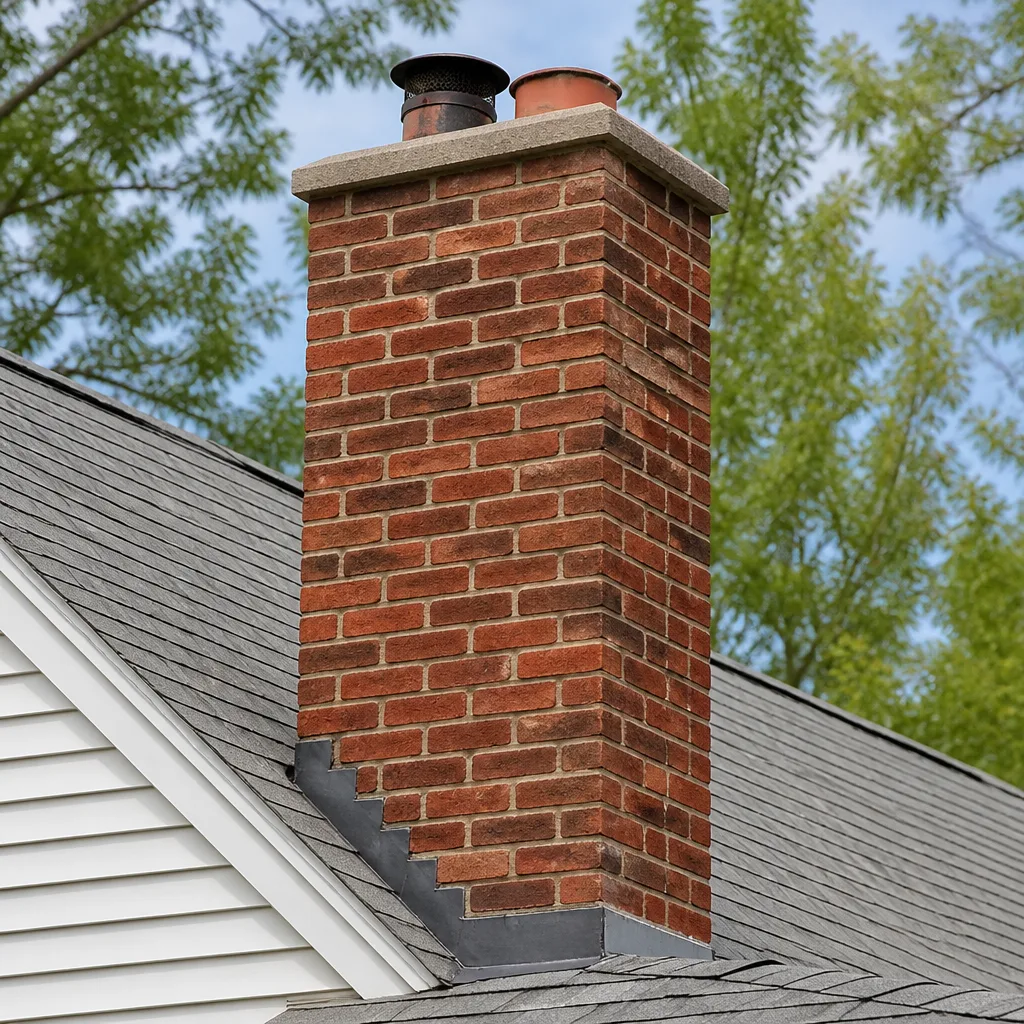 Masonry repair
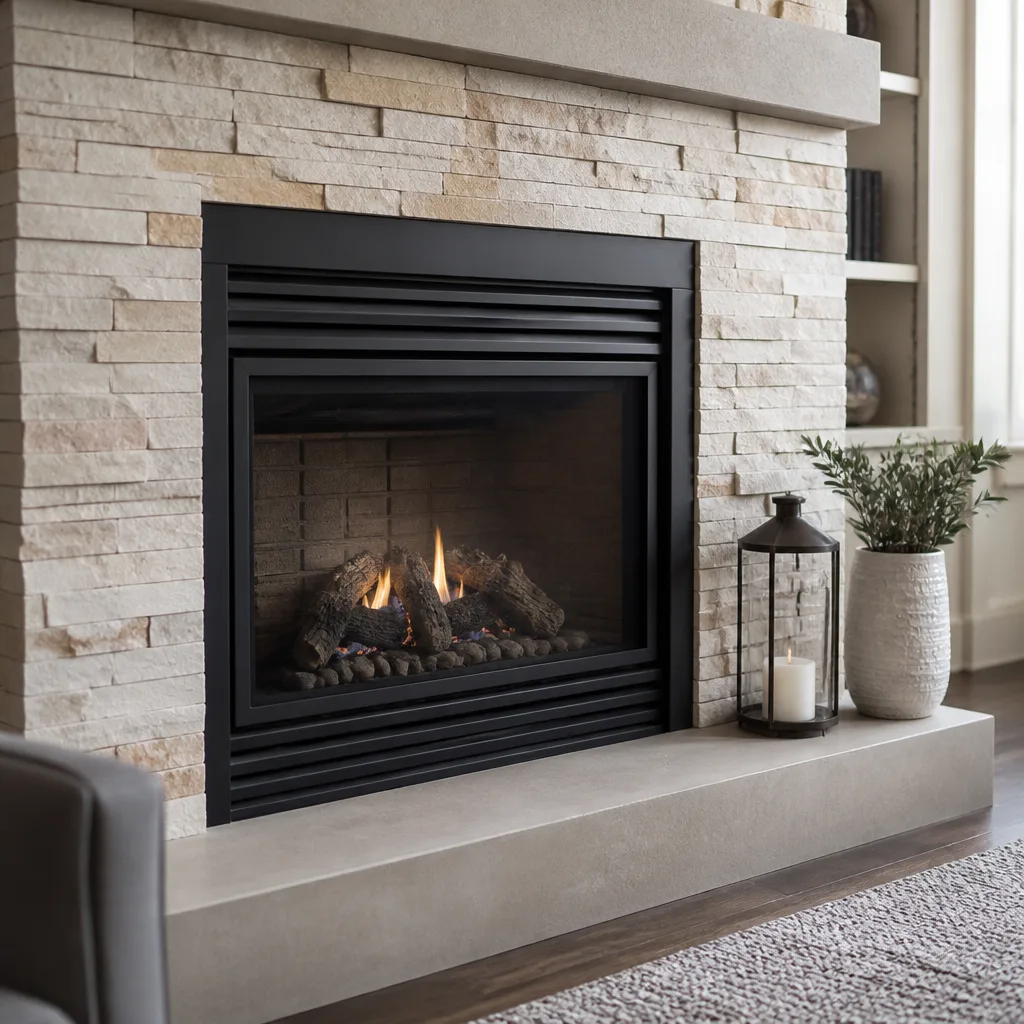 Gas fireplace service
Level 1 sweep and inspection to the NFPA 211 annual standard - flue, crown, cap, and flashing checked and photographed
Chimney sweep logs do not sweep chimneys. They loosen some creosote - which then falls where a brush and vacuum still have to collect it.
Chimney Cleaning Warning Signs: A Williamsburg Homeowner’s Reference Guide
A white stain on your exterior brick above the chimney crown isn’t a cosmetic issue. It’s efflorescence, and it signals active water migration through your masonry. In a Williamsburg winter, that moisture becomes the freeze-thaw cycle that can crack your liner from the inside. Most homeowners in Williamsburg who end up needing a full reline had visible signs of trouble months earlier. They read the odor as old-building character, the staining as weathering, or the slow draft as just a stubborn fire. This guide organizes chimney warning signs by where you’ll actually see them: exterior masonry, interior firebox, living space, and roofline. You’ll learn which signs mean call this week, which mean stop using the fireplace now, and which are false positives common to Williamsburg buildings.
Quick Answer
Chimney warning signs fall into two categories. Cosmetic indicators, like light exterior staining, a rusty damper, or a faint smoky smell in humid weather, generally mean call a sweep within the month. Structural emergency signals, like smoke spilling into the room when the fire is lit, heavy creosote visible in the firebox, cracked interior flue tiles, or a strong acrid odor on warm days, mean stop using the fireplace until it’s inspected. In Williamsburg, the freeze-thaw cycle, vibration from adjacent construction, and shared flues in older connected buildings all produce warning signs that need to be read in local context.
Styles & brands we work with
- Sweep & inspection
- Caps & crowns
- Flue relining
- Masonry repair
- Gas fireplace service
Table of Contents
- Exterior Masonry Signs: What Your Brick Is Telling You
- Interior Firebox Signs: Where Creosote Hides
- Living Space Signs: Odors, Staining, and That Persistent Smell
- Roofline Signs: Crown, Cap, and Chase Cover
- Draft Problems as Diagnostic Tools
- Williamsburg False Positives: What Mimics Chimney Problems
- Your 10-Minute Owner Inspection Protocol
- Cosmetic vs. Emergency: Which Sign Means Call Now
Exterior Masonry Signs: What Your Brick Is Telling You
Walk outside and look at the chimney structure before you look at anything else. The exterior masonry tells you what’s happening inside the flue, because water moves through masonry in both directions. Efflorescence, the white powdery stain that appears as calcium salts pushed to the surface as water evaporates, is the single most useful exterior sign. It means water is entering somewhere and exiting through the brick face. The brick is doing its job. The problem is that something else failed first: the crown, the flashing, the cap, or the mortar joints.
In Williamsburg, the freeze-thaw cycle runs through roughly four months of the year, and it’s what turns a small water-entry problem into a structural one. Water enters a hairline crack in the crown, freezes overnight, expands, and widens the crack by a fraction of a millimeter. Repeat that sixty or seventy times across a heating season and a hairline crack becomes one you can see from the ground. Do that across a liner tile’s cross-section and the tile will eventually spall.
Look for these exterior signs, in rough order of urgency:
- Efflorescence (white staining) on brick above or below the crown: water migration. Call within the month.
- Dark staining below the crown on the chase face: likely water running down the chimney from a failed crown joint or flashing. Call within the week if it’s present after dry weather.
- Missing or cracked mortar joints between brick courses: the brick face is losing its weather seal. Call soon, especially before winter.
- Spalling brick faces (brick flaking off in layers): freeze-thaw damage has moved past the mortar into the brick itself. Treat this as structural.
- A rusted or missing chimney cap: not a structural emergency, but the cap is what keeps water and animals out of the flue in the first place. A missing cap accelerates everything else on this list.
- Tilted or separated chimney from the roofline: structural movement. Stop using the fireplace and call immediately.
One More exterior sign that Williamsburg homeowners often miss: a chimney crown that has no overhang. A proper crown extends past the chase walls and has a drip edge. On older buildings, the crown often sits flush with the brick, which lets water run down the face of the masonry instead of shedding clear of it. That’s not a failure of the crown material itself, it’s a design issue. It’s also why some Williamsburg chimneys stain worse than their neighbors’ on the same block. If your crown is flush and the brick below it is stained, that’s the mechanism.
The full-system fix for exterior problems usually involves chimney cap & crown work rather than a simple sweep. The crown has to shed water, the cap has to keep it out of the flue, and the flashing has to bridge the roof transition. A sweep visit that only looks at the flue will miss any of these.
Interior Firebox Signs: Where Creosote Hides
Open the firebox doors and use a flashlight. You’re looking for three things: the condition of the firebrick and mortar, the presence and thickness of creosote on the smoke chamber above the damper, and the straightness of the damper itself. This is the highest-risk inspection point in the whole system, because most of the creosote that actually causes chimney fires accumulates where homeowners can’t easily see it. It builds in the smoke shelf and smoke chamber, on the sloped surface just above the damper.
Here’s what each sign means:
- Glazed or tar-like creosote on the smoke chamber walls. This is stage-three creosote, the hardest to remove and the most flammable. It forms when a fire burns slowly and cool, which happens when wood is unseasoned or the air control is left too closed. Stop burning and call for a sweep. Cleaning stage-three creosote is not a DIY job, and the process involves chemicals and mechanical work that can damage the flue if done wrong.
- Crumbling firebrick or missing mortar in the firebox. The firebox is a separate refractory box inside the chimney, and the mortar between firebrick is a high-temperature mix, not ordinary masonry mortar. If the firebrick is loose or the mortar is gone, heat is passing through to the masonry behind, and that’s where a chimney fire can start. Call for a repair inspection before your next fire.
- A damper that won’t open fully, won’t close, or is visibly warped. A warped damper is heat damage, which means the appliance was overheated at some point. It also means you’re losing heat up the flue year-round and getting smoke spillage when you do burn.
- A smoky or sooty smell coming out of the firebox when the fireplace is cold. That’s the residue of past fires releasing vapor, and it means there’s enough buildup to be a nuisance and probably enough to warrant a sweep. It can also indicate insufficient draft or a blocked flue.
- Visible soot or smoke stains on the firebox face or the wall above. Smoke that leaves a mark where it shouldn’t is smoke going where the system didn’t intend. Often an overdraft problem, sometimes a partially blocked flue.
Firebox issues are where the boundary between fireplace repair and chimney repair blurs, and in our experience it’s the component that most often gets pushed to “next year.” The reason that’s a mistake is that firebox deterioration is the one warning sign that directly compromises the fire chamber itself. It’s the part of the system designed to contain the fire, and once it’s compromised, the safety margin shrinks fast.
Living Space Signs: Odors, Staining, and That Persistent Smell
The signs presenting inside the living space are the ones most often explained away, and that’s the core problem this guide is meant to fix. A faint smoky smell in the room you don’t use much, a ceiling stain near the chimney chase, a wall that feels cool to the touch where the chimney runs behind it: these are diagnostic. They’re not “just how old buildings smell.” Old buildings smell like old buildings. They don’t smell like a chimney draft problem, and the difference is testable.
Read the smell carefully:
- A smoky, campfire-like smell in cool, damp weather. Usually a draft reversal. When the outside air is warmer and denser than the flue air, the chimney pulls cold air down instead of pushing warm gases up. Common in spring and fall in Williamsburg.
- An acrid, chemical smell that gets worse in warm weather. That’s creosote off-gassing as temperatures rise. It’s a sign of buildup, and the stronger it is, the more buildup there is.
- A musty, wet smell. That’s moisture in the masonry system, usually from a failed crown or flashing. It’s the same moisture that produces exterior efflorescence, but you’re smelling it from the inside.
- A smell of gas or something you can’t identify that doesn’t smell like wood smoke. Never diagnose this yourself. Stop using the fireplace, ventilate the room, and treat it as a potential appliance issue until a professional confirms otherwise.
The other living-space signs are visual. Brown or yellowish staining on the wall above the fireplace opening is smoke that leaked past the face seal, often from a bad damper fit or insufficient draft. Rust or water staining on the ceiling near the chimney chase is a leak entering the roof transition. Cracks that follow the line of the chimney on an interior wall mean movement, and movement in a chimney chase is not something to leave until spring.
If you’re smelling creosote indoors, your fireplace is giving you an early warning. The chimney repair inspection covers not just the flue but the firebox, damper, and the face seals.
Roofline Signs: Crown, Cap, and Chase Cover
Get on the ground and look up with binoculars. Roofline inspection is where a lot of Williamsburg chimney water damage starts, because the crown and cap are exposed to everything and they fail before the rest of the system does. You don’t need to get on the roof to see the signs, and you shouldn’t.
Look for these:
- A crown with a visible crack, missing chunk, or no overhang past the chase walls. Every one of those is a water entry point. The crown is the flat top of the chimney, and it’s supposed to slope away from the flue. When it fails, water goes straight into the masonry.
- No chimney cap, or a cap that’s visibly bent, rusted, or sitting crooked. A cap is the metal or masonry hood over the flue opening. It keeps rain, snow, birds, and squirrels out. A missing cap is one of the easiest problems to fix and one of the most common causes of downstream water damage.
- Visible rust streaks on the chase or roof plane near the chimney. Rust from a metal crown, chase cover, or cap means water is pooling somewhere it shouldn’t. It’s also a sign the component is past service life.
- Flashing that’s separated from the roof or the chimney, or has failed sealant. Flashing is the transition between roofing and chimney, and it’s a common leak source. Cracks in the caulk line around flashing are worth flagging even if there’s no current leak.
- Debris visible at the flue opening from below. Leaves, twigs, or a bird’s nest at the top of the flue is a blockage that will cause draft problems indoors within a single burn season.
The cap and crown work is one call. Both are exterior repairs and both affect water entry. When we find one failing we check the other, along with the flashing, because they fail as a system.
Systemic cap and crown problems are also where the case for full-system service shows its value. Cap, crown, flashing, and chase cover all live at the same roofline intersection, and they should all be evaluated on the same visit.
Draft Problems as Diagnostic Tools
Draft is not just about how well the fire burns. Draft problems are the most informative reading you get from a chimney system, because the pattern of failure points to the underlying cause. Slow ignition, smoke spilling into the room when you light the fire, or smoke that reverses after the fire’s been going a while are each telling you something different.
Here’s the diagnostic breakdown:
- Slow ignition, or the fire takes forever to catch. Often a cold flue, meaning the chimney hasn’t warmed enough to pull air up. Common in Williamsburg in fall when the exterior is still warm but the flue is cold. Also happens with a disconnected or damaged liner tile, which can let cold air enter the flue from a side gap.
- Smoke enters the room on light-up, then clears once the fire’s going. Usually the smoke shelf and smoke chamber are partially blocked, or the flue is undersized for the firebox. The fire burns hot enough to overcome the blockage once it’s going, but the impulse to light spills smoke before the draft establishes.
- Smoke spilling continuously once the fire is lit, or smoke spilling after the fire has been burning for a while. This is not a draft problem to solve; this is a blockage or a system failure. Stop burning and call for inspection.
- A strong draft that makes the fire roar and consume wood fast. Sometimes a good thing, often a sign that the flue is oversized or the damper doesn’t seal well. Oversized flues lose more heat up the chimney and deposit creosote faster.
- Smoke pouring from the top of the firebox into the room when the outside temperature is warm. Draft reversal, and it’s the same mechanism as the “faint smoky smell” sign noted above. It’s fixable with a proper cap and correct flue sizing.
Draft issues are also where a standard sweep is not always the answer. A sweep will remove buildup, but it won’t fix a blocked smoke shelf, a warped damper, or a disconnected liner tile. Those need the sweep to escalate into a chimney sweep visit with a formal inspection attached, so the tech can use a camera to see what the flue is actually doing.
Williamsburg False Positives: What Mimics Chimney Problems
Not every warning sign is actually a chimney problem. In Williamsburg, three specific patterns produce false positives that homeowners and even some generalists misdiagnose. Knowing them saves you a service call and, more importantly, keeps you watching the right things.
Adjacent construction vibration. Williamsburg has a steady pace of renovation and infill, and vibration from adjacent construction can crack mortar joints and dislodge chimney caps that were borderline. If your neighbor’s building project started the same week you noticed a loose cap or a new crack, the vibration is a plausible explanation. Repointing and re-securing are the fix. The same vibration can also loosen the smoke shelf and dislodge creosote deposits, which shows up as a soot fall in the firebox. A soot fall after nearby construction isn’t a fire hazard by itself, but it means the flue needs a sweep before the next fire.
Shared flue systems. In older Williamsburg buildings, especially connected rowhouses, multiple fireplaces sometimes share a flue in the same chase. If your neighbor uses their fireplace more than you do, you may smell wood smoke indoors from their fires. That’s not a problem with your system, but the shared-flue arrangement also means that a blockage or liner issue on one side can affect draft on the other. In a shared flue, the diagnostic is to check whether your own system is compliant and whether the shared flue is properly separated. It’s worth a professional inspection rather than a same-weekend guess.
Rooftop HVAC exhaust. Modern rooftop HVAC equipment exhausts near the chimney top, and in some configurations the exhaust gets drawn back into the chimney and down into the house, or pulled into a nearby window. That produces an indoor smell that reads as “chimney odor” but originates from the HVAC system. Two ways to distinguish: check whether the smell changes when the HVAC is running versus off, and check whether the smell is present when the fireplace has been cold for weeks. If the smell tracks the HVAC, it’s a rooftop exhaust issue, not a chimney one.
The reason this matters for Williamsburg specifically is that false positives often sit alongside real problems. A cracked cap from adjacent construction is a real problem, even if the vibration caused it. The shared flue may be compliant for you but problematic for a neighbor. Our approach on every inspection is to distinguish what’s real from what’s coincidental, because telling you what we find and why it matters is more useful than a list of everything that could theoretically be wrong.
Your 10-Minute Owner Inspection Protocol
This protocol is not a substitute for a professional inspection. It’s a way to get useful information to the inspector so they know what to check first, and it’s a way to catch obvious problems before they turn into rush calls. Do it once in early fall and once in late winter. It takes under 10 minutes.
- Walk the exterior and photograph the chimney from the ground. Use your phone’s zoom. You’re looking for efflorescence, cracked mortar, spalling brick, and any visible crown damage. Take photos of anything suspicious. The photos come in handy later if a contractor wants to compare.
- Look up at the cap and crown. Confirm there’s a cap over the flue opening, and confirm it’s sitting straight. Confirm the crown, if visible from below, has a visible overhang past the brick face. A flush crown is a design weakness, not necessarily damage, but worth noting.
- Check the flashing at the roof transition. From the ground, look at where the chimney meets the roofline. Failed sealant, separated flashing, or missing shingles around the chimney are water entry points. Any of those go on your “inspect further” list.
- Open the firebox doors and look up. Use a flashlight and look into the smoke chamber above the damper. If you can see glazed, tar-like deposits, stop and call for a sweep. If the buildup is powdery and light, it’s stage-one creosote and a standard sweep handles it.
- Check the firebrick and firebox mortar. Look for loose brick, crumbling mortar between brick, or a visible crack across the firebox floor. Any of those warrants a repair inspection, not just a sweep.
- Test the damper. Open and close it fully. It should move smoothly and seat flush. Warping, sticking, or a visible light gap at full close means the damper needs work.
- Take a smell reading. With the fireplace cold and the HVAC off, walk near the fireplace and note any smell. Acrid, smoky, or musty are each diagnostic. Strong or worsening smells suggest the cause is acting up, not just the house being old.
- Note any staining on interior walls above or around the chimney. Brown staining above the fireplace, water stains on the ceiling near the chase, or a line of cracks following the chimney run. These go on the “call the pro” list.
The protocol’s purpose is to give you a picture in under 10 minutes, not to establish a diagnosis. A sweep that clears stage-one creosote is routine. A sweep that finds a blocked cap or a warped damper is where you want a formal inspection. Bringing photos to that call shortens the conversation and gives the tech a head start.
Cosmetic vs. Emergency: Which Sign Means Call Now
The line between cosmetic and emergency is not always obvious, so here it is in plain terms. The emergency signs are the ones where using the fireplace creates risk you can’t see. The rest are signs that need to be addressed on a reasonable schedule, not tonight.
Call now, and stop using the fireplace:
- Glazed, tar-like creosote visible in the firebox or smoke chamber.
- A visible crack in the firebox or firebrick that goes through the firebrick face.
- Crumbling firebox mortar exposing the masonry behind.
- Smoke spilling into the room and staying there while the fire is lit.
- A strong acrid odor on warm days that gets worse when the sun is out.
- Soot falling into the firebox in a quantity that suggests flue damage.
- Visible structural movement: cracked chase face, tilted cap, or a chimney that’s pulled away from the building line.
Call within the week, and continue using carefully in the meantime:
- Glazed creosote you can’t see but suspect from strong smell and cold-weather burning.
- Persistent draft reversal that puts smoke into the room when you light a fire.
- Efflorescence on the exterior and a crown with visible cracks.
- Failed flashing or separated sealant at the roofline.
- A rusty, bent, or missing chimney cap.
Call within the month, or schedule for the next routine sweep:
- Minor soot on the firebox face, no structural signs.
- Lightly rusted damper with smooth operation.
- Faint smoky smell that clears once the fire is lit.
- Light creosote in the flue, no glazing.
The important distinction is that anything you can see glazed or cracked probably means the system has been out of spec for a while. Creosote doesn’t turn to glazed stage overnight. It builds across a season of cold fires and slow-burning wood. If you’re seeing the advanced stage now, the system has likely been running at a non-compliant draft for some time, and a formal inspection is the right first step.
Common Mistakes to Avoid
- Treating indoor odor as “old house character.” In Williamsburg, the smell of an old building is a specific profile of dust and wood that’s mostly constant. A chimney off-gassing smell gets stronger in warm weather and weaker in cool. If the smell tracks temperature, it’s a chimney sign, not a house sign. Treating it as character is the single most common reason a minor creosote buildup becomes a full liner job.
- Skipping the exterior inspection because the fireplace burns fine. A fireplace can burn well with a cracked crown and heavy exterior staining. Interior performance and exterior water entry are separate failure modes. The interior will keep working long after the exterior has taken on water, and the damage runs on two clocks at once.
- Calling a general handyman for liner work. HeatShield and DuraFlex relining are specialized products applied with specific methods and tolerances. A handyman can patch a cap, but ceramic resurfacing of a flue liner and flexible stainless relining call for the tools and materials used by chimney specialists. Installing the wrong product in the flue can fail in a season and put the system in a worse position than before.
- Repointing mortar without inspecting the flue. Repointing the exterior brick is proper work, but if the mortar mortar was failing because water entered the top of the chimney, repointing the face does nothing for the flue tiles. The exterior gets patched, the interior stays wet, and the next freeze cycle does the real damage.
- Using an uncapped chimney. Williamsburg’s trees and weather are active enough that an uncapped flue is a real entry point for water, leaves, and animals. A cap is a small, inexpensive component that keeps the liner dry, and skipping it is the most common reason a young liner fails early.
- Ignoring the smoke shelf and smoke chamber during cleaning. A flue brush alone clears the flue pipe but leaves creosote on the smoke shelf just above the damper. That’s the part that matters. The chamber above the damper is the hottest point in the system and the creosote lining it is the most flammable part of the buildup. A sweep that doesn’t address it hasn’t done the job.
- Assuming shared flues are safe because your neighbor’s system seems fine. Shared flues need separation, correct sizing, and independent inspection. If the whole building is running one flue, a blockage on one side affects the other.
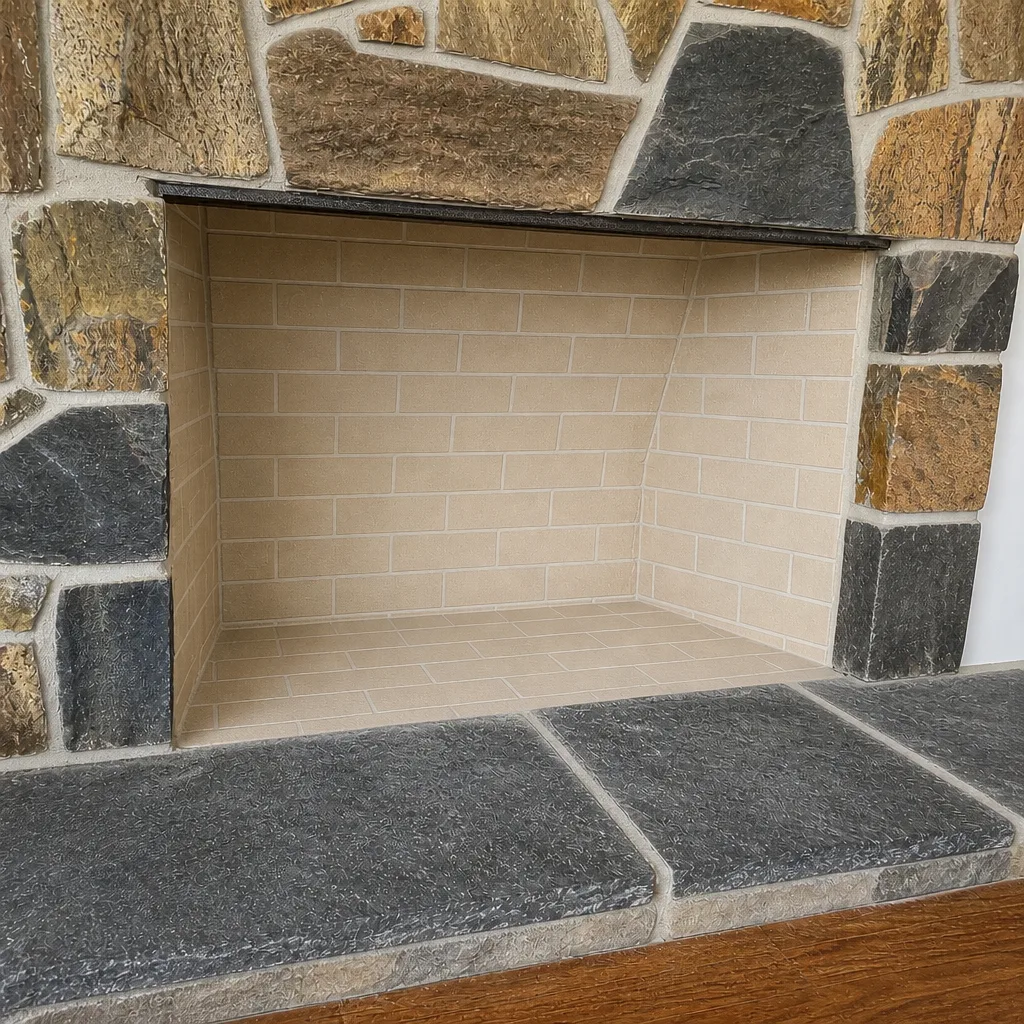
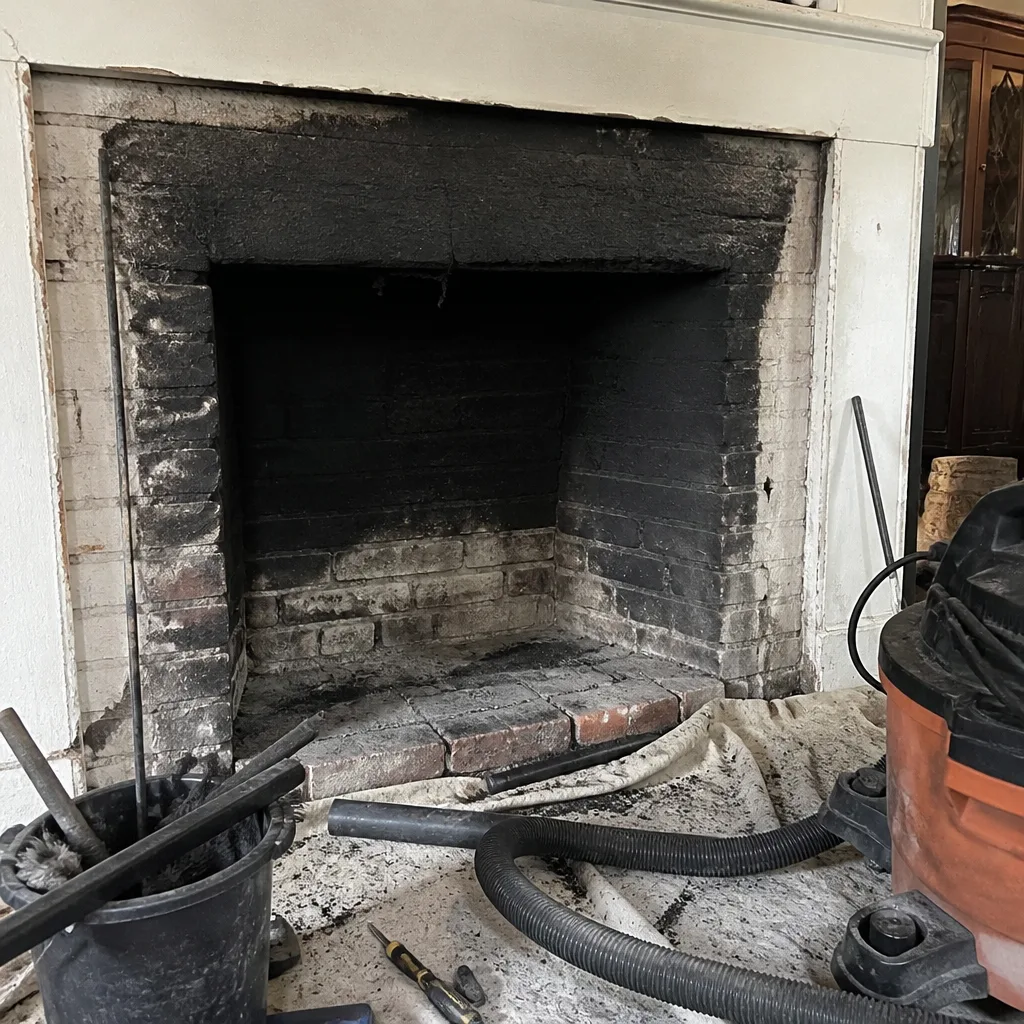
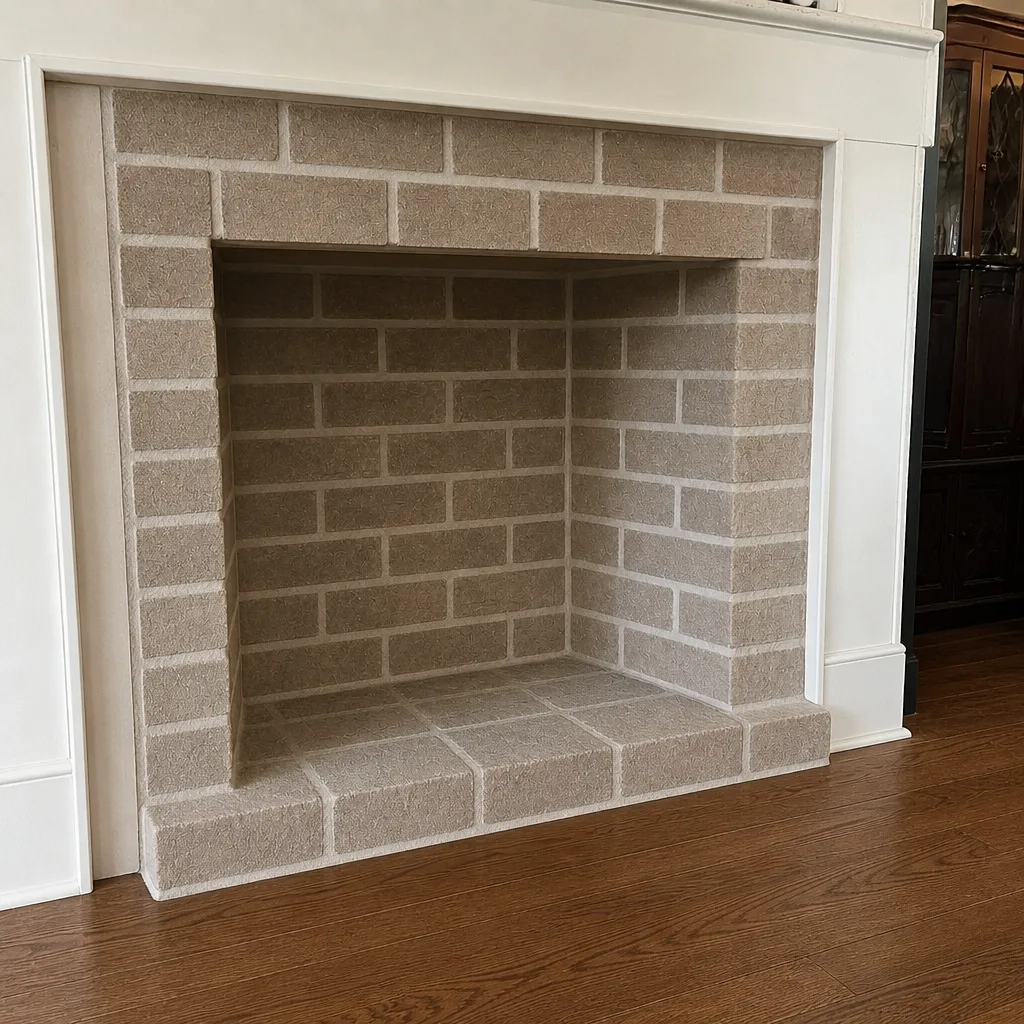
See the difference
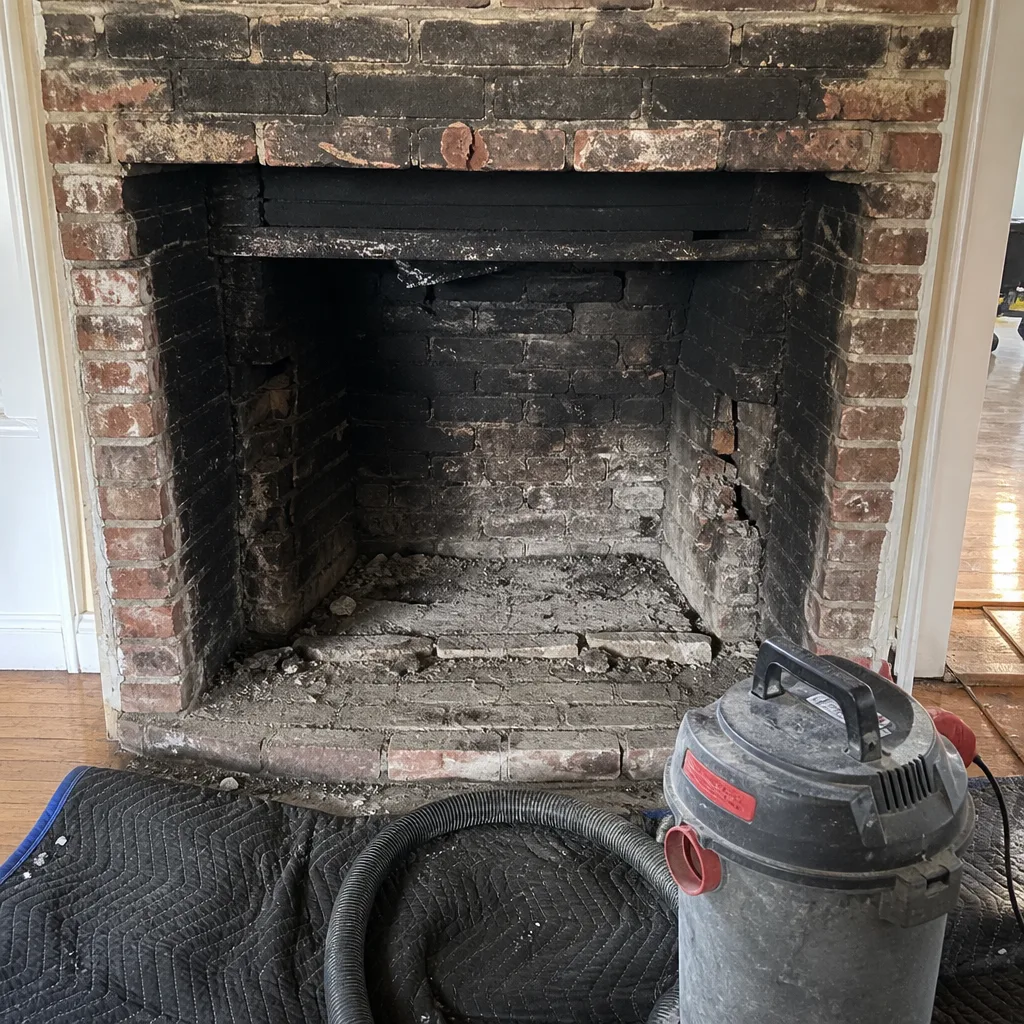 Before
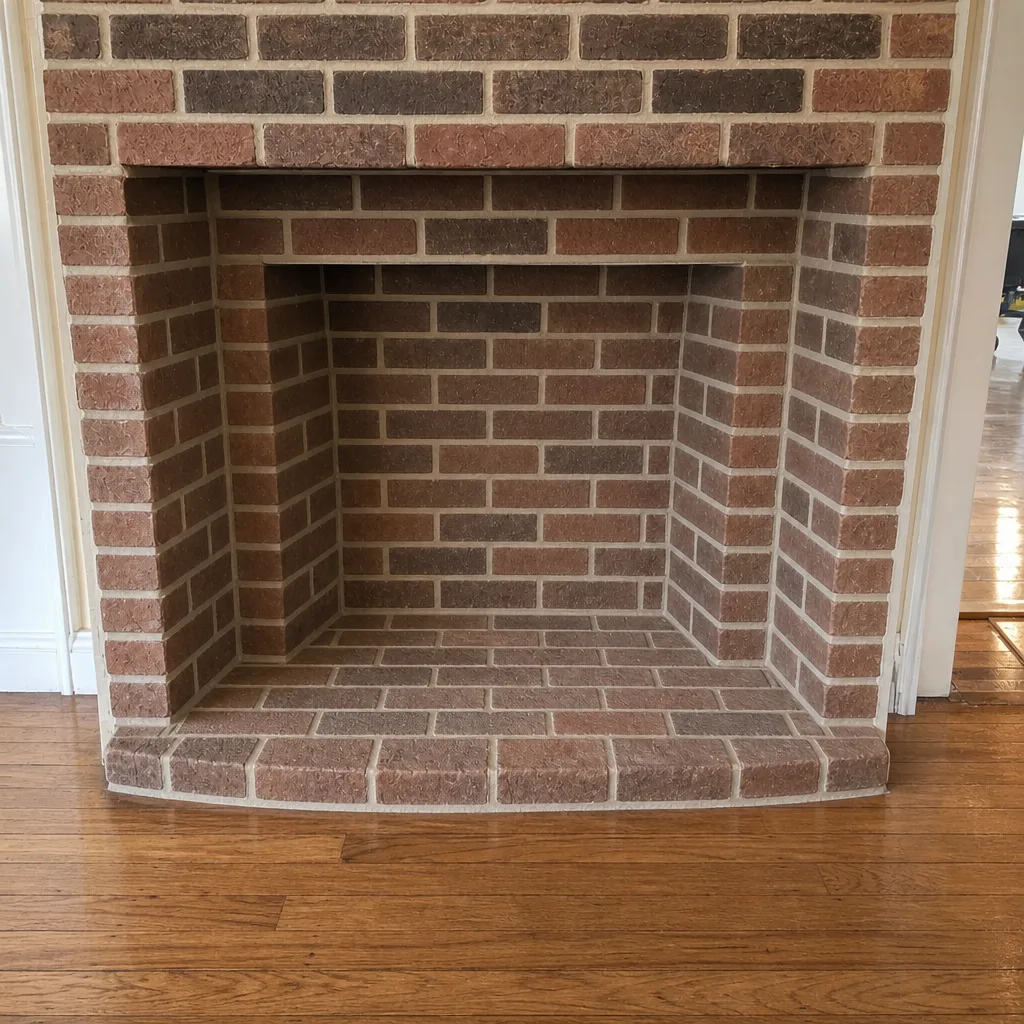 After
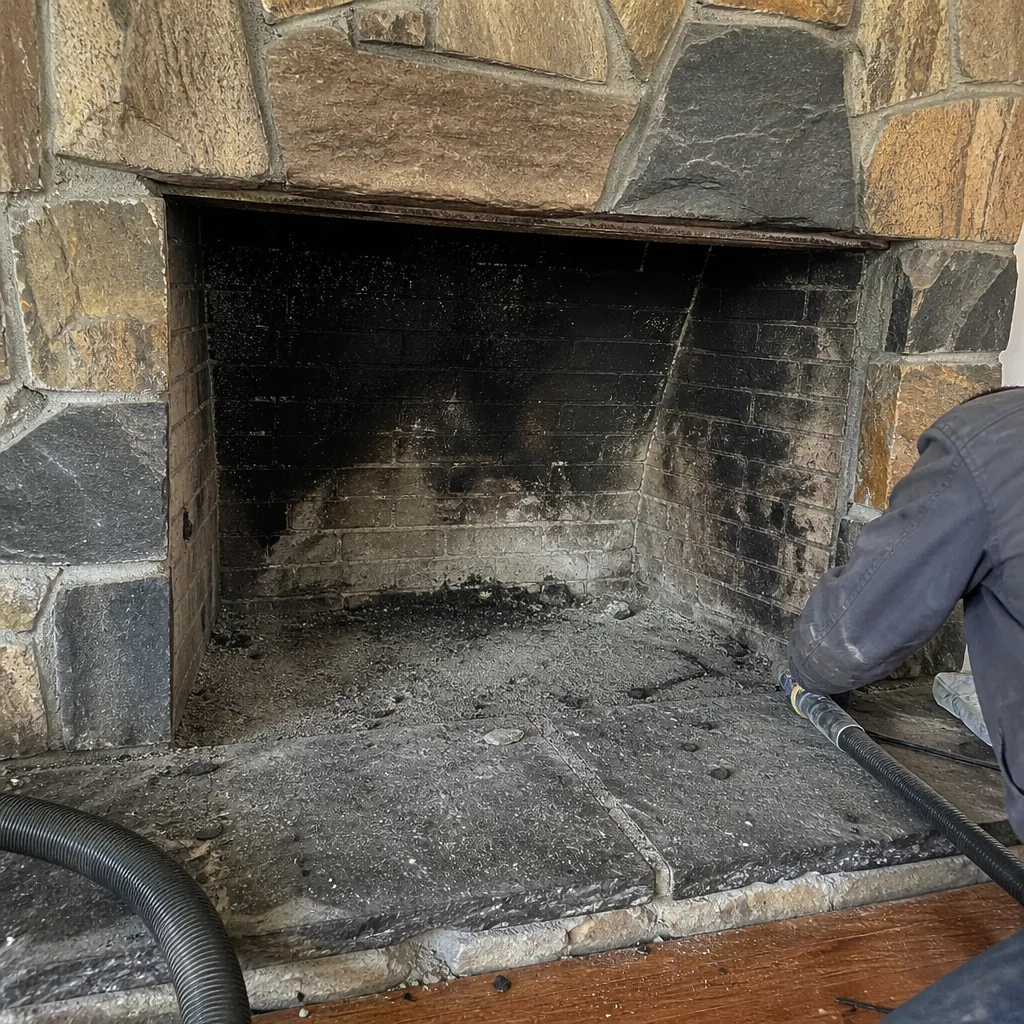 Before
 After
 Before
 After
When to Call a Professional
Call a professional when any of the emergency signs on this page is present, when a formal inspection is needed for a real-estate transaction or insurance requirement, or when a sweep has turned up exterior damage that needs repair beyond cleaning. In our experience, the earlier a warning sign is evaluated, the wider the range of repair options. A small crown crack can be repaired in one visit. The same failure after two winters of freeze-thaw can mean crown reconstruction and liner work. That difference in scope is the reason the urgency thresholds on this page exist, and it’s the practical cost of waiting.
Our technicians have up to 12 years of experience across the full range of chimney services, from routine Chimney Sweep Williamsburg visits through HeatShield ceramic flue resurfacing and DuraFlex stainless-steel relining. When we find something during a sweep, we can address it on the same job rather than sending you to a second contractor. Chimney Sweep Williamsburg offers free estimates in Williamsburg. Call (855) 301-8570. We answer 24/7. Fast dispatch from 7am to 7pm, Sunday through Friday.
Frequently Asked Questions
A routine chimney sweep in Williamsburg typically runs in the low to mid hundreds of dollars, and a formal inspection is usually quoted separately as its own service. The written estimate sets the final price, and pricing depends on flue access, buildup level, and whether the visit needs camera inspection and a photo report. Call (855) 301-8570 for an exact quote; estimates are free.
You need a new liner when the existing liner has visible cracks, spalling tiles, or gaps that let creosote and heat reach the masonry around it. A glazed buildup is not a reason to reline. A damaged liner is. HeatShield ceramic resurfacing can restore some deteriorated liners without full replacement, and DuraFlex flexible stainless relining handles cases where the old liner is past saving. We don’t recommend liner work without camera evidence you can see for yourself, so bring your photos and we’ll walk through what the camera shows.
Chimney sweeps are typically recommended once per year for homes using the fireplace regularly through the heating season, and a sweep is also due before the first fire after a long idle period. In Williamsburg’s climate, wood burns at variable moisture levels across the season, so buildup can be faster in a cold, slow-burning season than in a hot one. Call (855) 301-8570 for an exact quote on a seasonal sweep.
Skipping a sweep allows creosote to build in stages: from powdery stage-one that brushes off, through stage-two that flakes away easily, to glazed stage-three that bonds to the flue and needs chemical treatment. Stage-three creosote is the fuel source for chimney fires, and it’s the point at which a simple sweep turns into a specialized cleaning job. Skipping also lets water damage in the masonry compound through the freeze-thaw cycle. Call (855) 301-8570 to schedule a sweep before it gets to that stage; estimates are free.
A smell that gets worse in warm weather is creosote off-gassing, which happens as the deposits warm and release vapor. In cool weather the same deposits produce a milder smell that reads as smoky. In Williamsburg summers the effect is pronounced because the masonry holds heat well into the evening. It’s a sign of buildup, not a sign of building age, and it typically clears once the buildup is removed. Call (855) 301-8570 for an exact quote on a sweep.
A chimney sweep can spot obvious liner damage during a manual cleaning, but a camera inspection is the reliable way to see the full flue interior, especially above the first flue tile. A camera inspection and photo report is part of the formal inspection service we offer, and it’s the basis for any liner recommendation. Call (855) 301-8570 for an exact quote on an inspection; estimates are free.
The Bottom Line
Chimney warning signs are readable. The exterior brick tells you about water and freeze-thaw damage, the firebox tells you about creosote and firebrick condition, the living space tells you about draft and buildup, and the roofline tells you about water entry and debris. Williamsburg’s climate sharpens all four signals, and the false positives common to Williamsburg buildings (adjacent construction, shared flues, rooftop HVAC exhaust) are all worth knowing because they let you separate a coincidence from a real problem. The signs that mean stop using the fireplace are glazed creosote, cracked firebrick, smoke spilling into the room, and structural movement. Everything else has a reasonable window that closes faster than most homeowners expect.
Our approach to a Williamsburg sweep visit is to look at the whole system, not just the flue. When we find a crown crack or a failed cap, we can repair it. When we find damaged liner tiles, we can resurface or reline with HeatShield or DuraFlex. We tell you what we find, why it matters, and when work can safely wait.
Call (855) 301-8570 for a free estimate. We answer 24/7. Fast dispatch from 7am to 7pm, Sunday through Friday.
Written by the team at Chimney Sweep Williamsburg.