
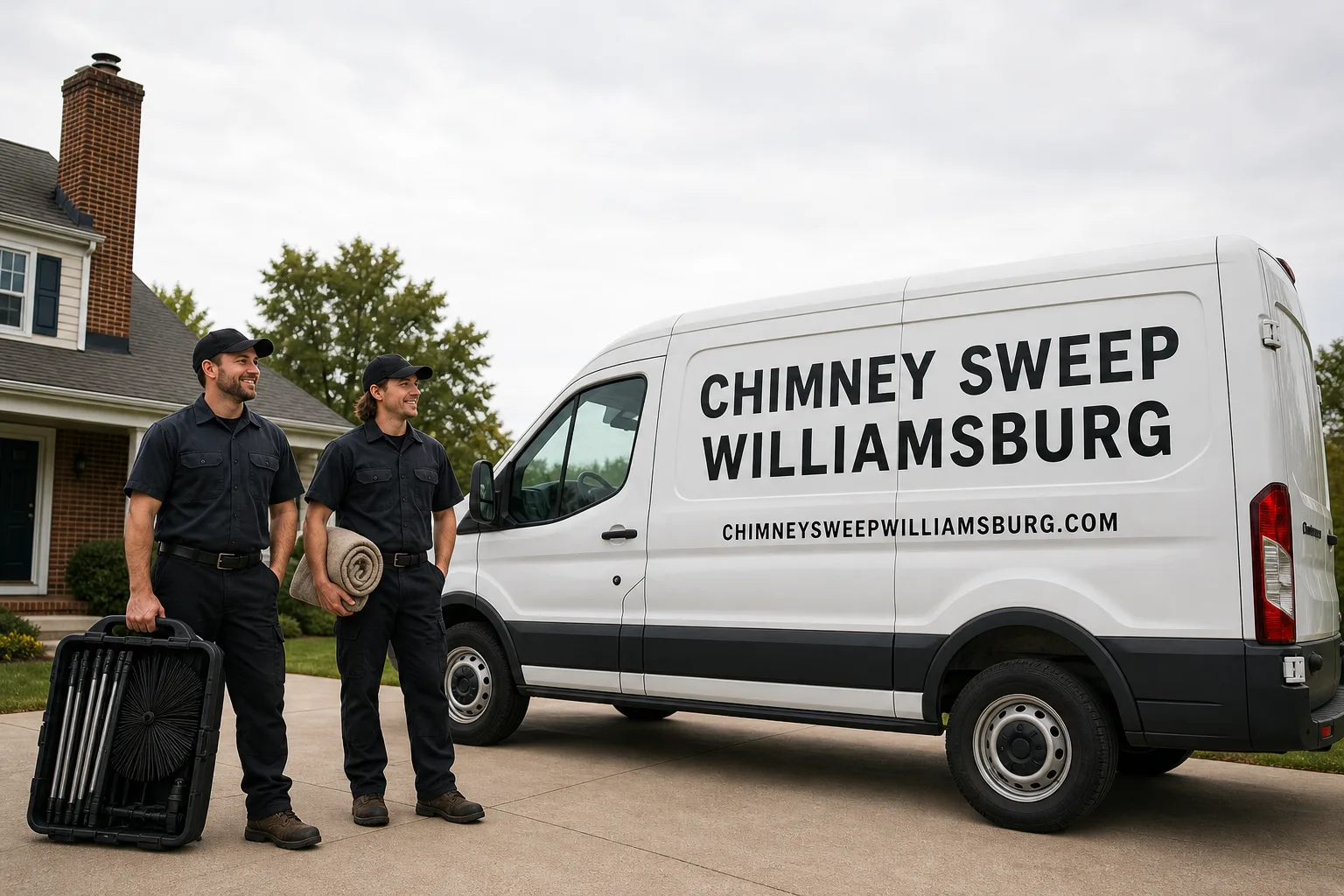
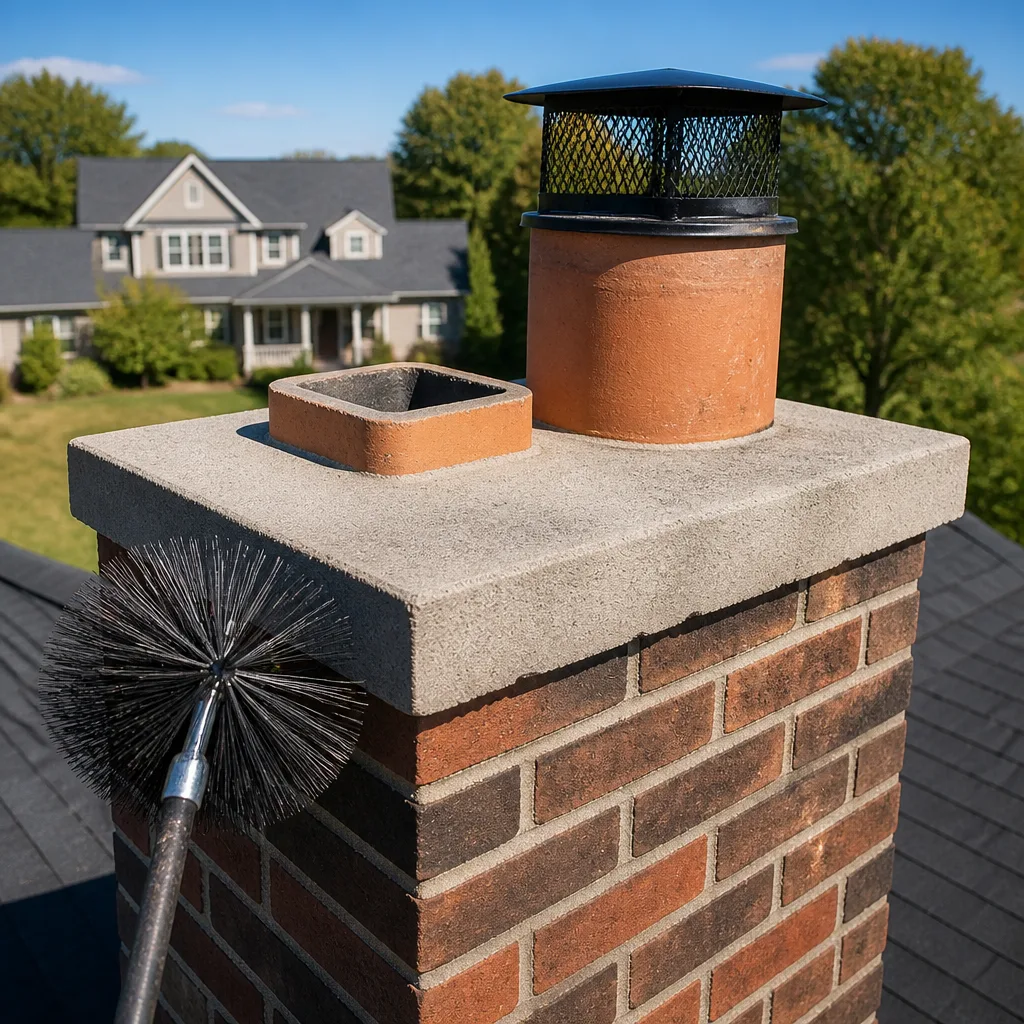
 Sweep & inspection
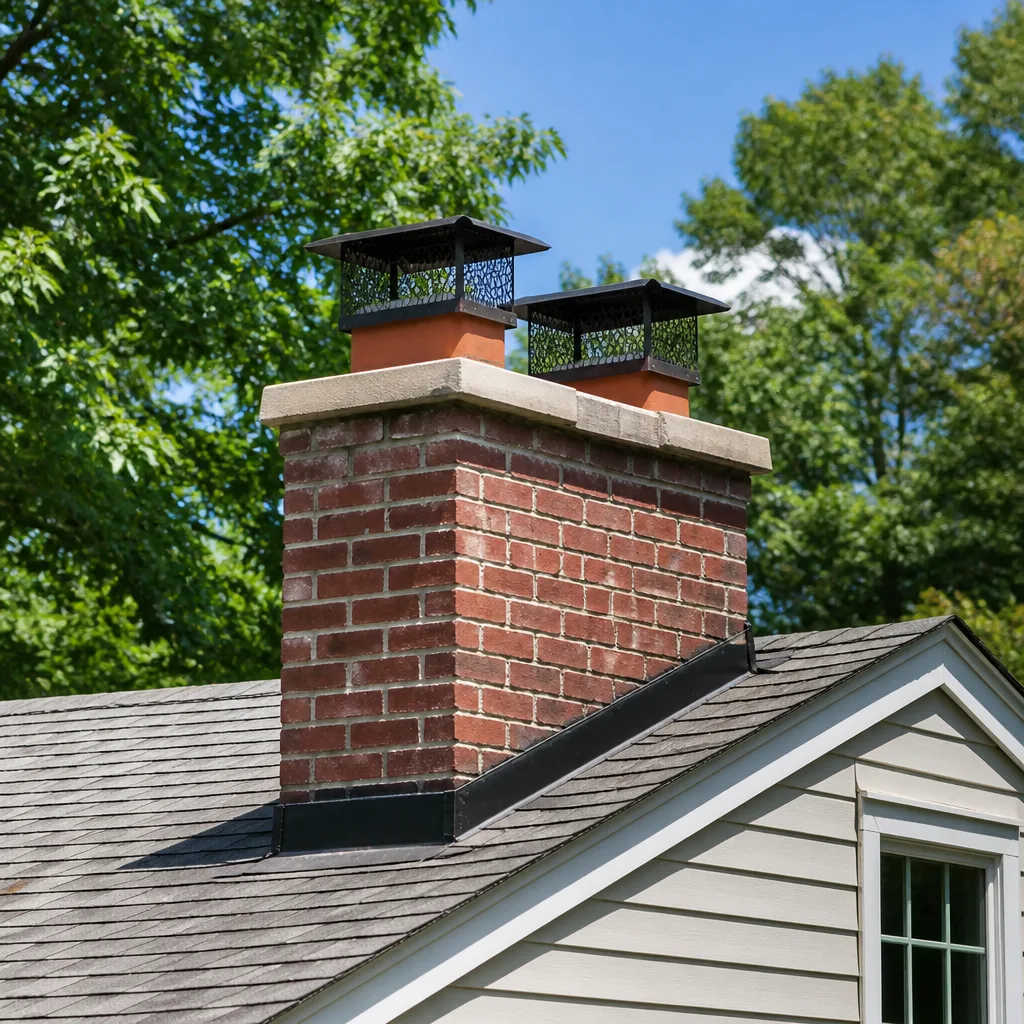 Caps & crowns
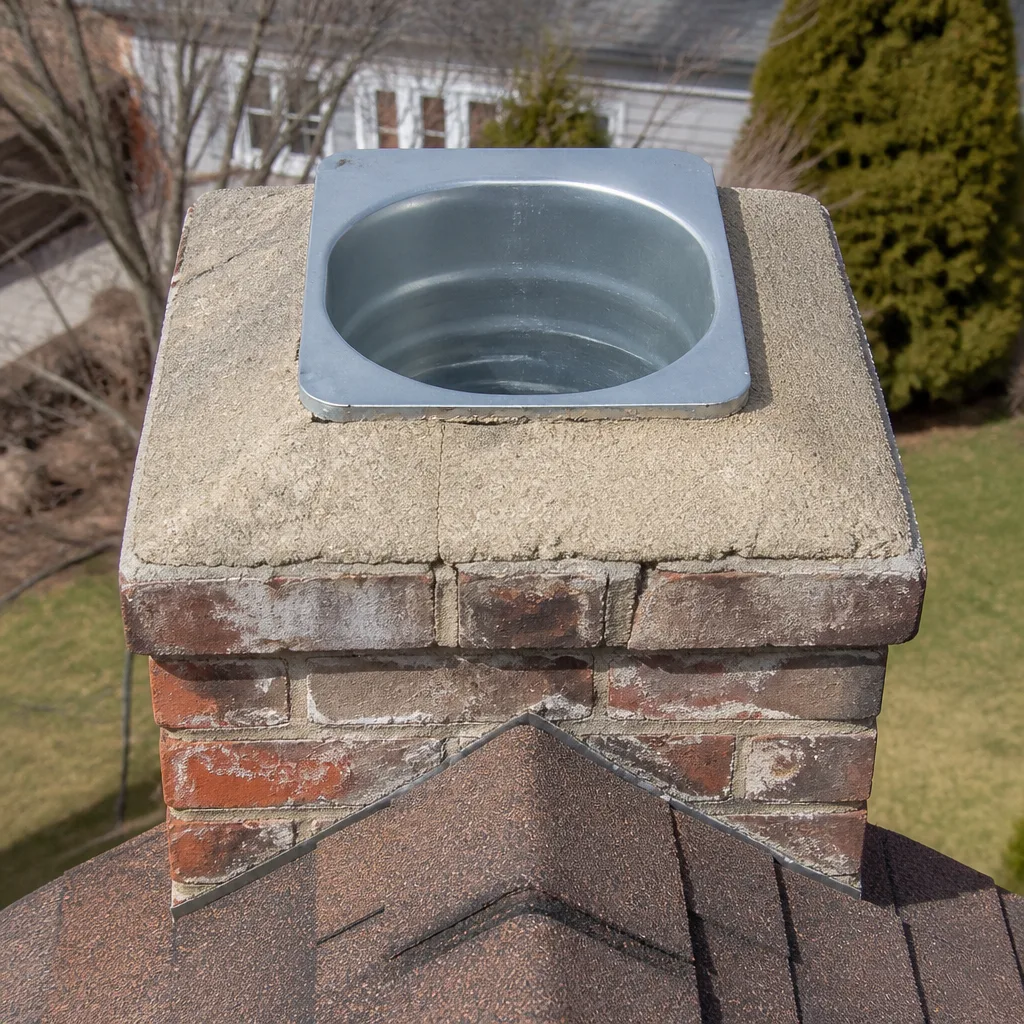 Flue relining
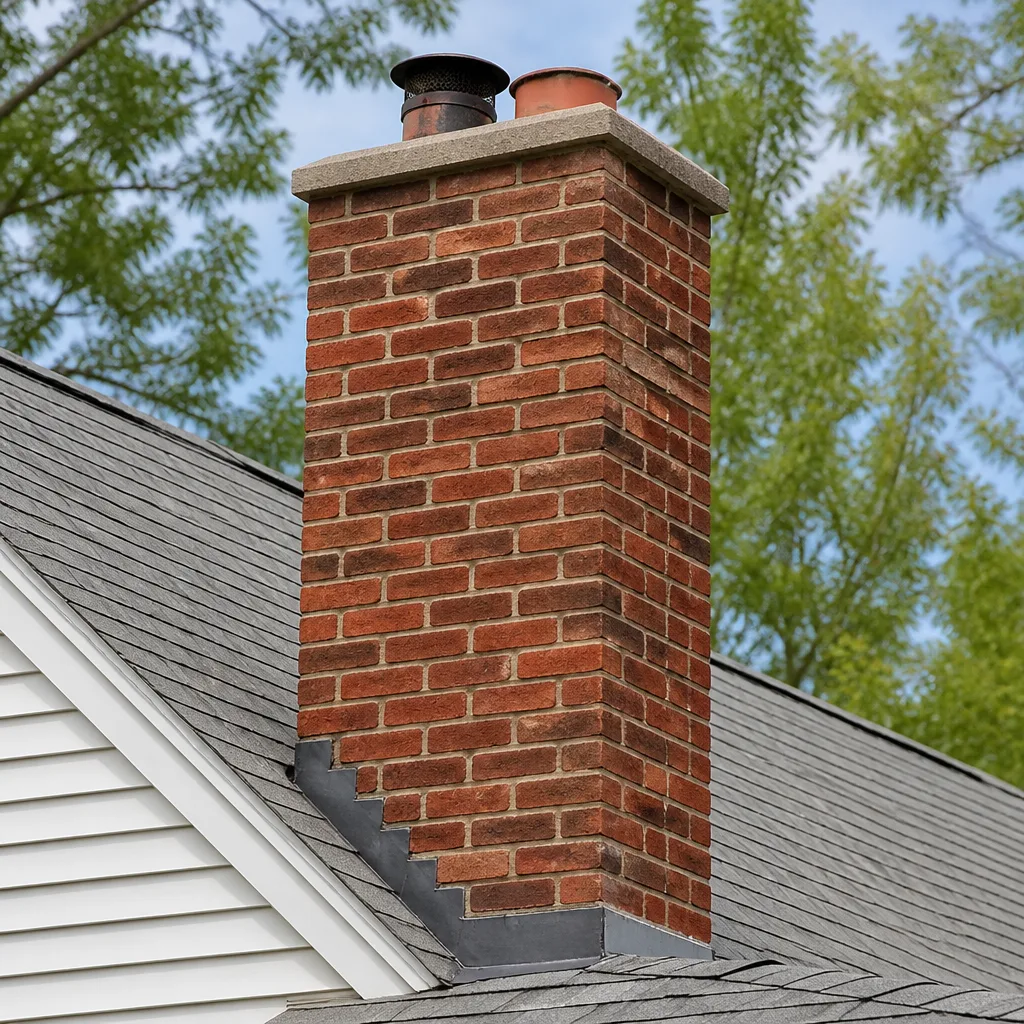 Masonry repair
 Gas fireplace service
Level 1 sweep and inspection to the NFPA 211 annual standard - flue, crown, cap, and flashing checked and photographed
Chimney sweep logs do not sweep chimneys. They loosen some creosote - which then falls where a brush and vacuum still have to collect it.
Trusted Chimney Inspection for Williamsburg Homeowners
Most chimney problems in Williamsburg announce themselves in ways people misread. A faint smoky smell in a bedroom that won’t clear, a draft that shows up only in February, soot flaking onto the hearth when nobody has had a fire in weeks. None of that means the chimney is about to fail. It does mean the system needs someone to look at it before the next burning season starts. Our technicians have up to 12 years of experience reading those symptoms, and we offer inspection as a service on its own rather than only as an add-on to a cleaning. We tell you what we find and why it matters for your safety and your home’s integrity.
A formal inspection matters most right before you buy or sell a building, right after a chimney fire, or when your insurer asks for documentation. It’s also how you catch a cracked liner or a failing crown while the repair is still a small job. If you want the broader picture of how we handle the full sweep-to-repair side of the trade, start with Chimney Sweep Williamsburg and we’ll point you to the right service. Call (855) 301-8570 for a free estimate.
What Our Chimney Inspection Service Includes
A chimney is a system. We inspect and service every component, not just the flue. That means the firebox, the damper, the smoke chamber, the flue liner, the crown, the cap, the flashing at the roof line, and the exterior masonry. Different levels of inspection go to different depths, and we always tell you which level you’re getting and why before we start.
Level 1 Inspection
A Level 1 inspection is the routine check you’d get before your annual sweep or when you’ve had no changes to the system. It covers all the readily accessible parts – firebox, damper, flue, and visible portions of the exterior – using a camera and a flashlight, without opening anything up. You need it when your setup hasn’t changed and you burn regularly. We walk the full system and tell you plainly what’s sound and what’s worth watching.
Level 2 Inspection
A Level 2 inspection goes further and covers the attic, crawl space, and other accessible areas, plus video scanning of the flue interior. It’s the level you need after a chimney fire, after a change in fuel type, when you’ve had a liner installed, or during a real estate transaction. We use a video camera run through the full length of the flue so any gaps, spalling, or offset joints show up on screen for you to see.
Level 3 Inspection
A Level 3 inspection is what happens when the first two levels turn up a problem that can’t be assessed without opening up part of the chimney or building. That might mean removing a section of wall, part of the crown, or a chimney component to get at the interior. You need it when there’s a suspected hidden defect, a major structural concern, or a known event like a chimney fire that damaged concealed areas. We don’t recommend Level 3 lightly, and when we do, we explain exactly what has to be opened and what we expect to find.
Camera Inspection
Camera inspection is the part of the job that earns your trust. A small video camera travels the full flue and records what it sees – cracks in the liner, gaps at joints, creosote buildup, nesting material, or a flue that was never sized right. You need it any time the inside of the flue isn’t fully visible from the firebox, which is most of the time. We review the footage with you and give you a photo report, so nothing we recommend is a guess you can’t check.
Flue Inspection
Flue inspection focuses specifically on the passage your smoke travels through and how well it drafts. A flue that’s the wrong size, blocked, or damaged can push smoke back into the room even when the firebox looks fine. You need it if you’re seeing a draft problem, smoke spillage, or poor burn performance. We check flue dimensions, liner condition, and draft, and we tell you whether a reline with something like a DuraFlex stainless system is needed or whether a HeatShield ceramic resurfacing would solve it.
Real Estate Inspection
A real estate inspection gives buyers and sellers documentation on the chimney’s condition before a deal closes. It’s what you want when a contract is contingent on the chimney being sound, or when a lender or insurer wants written evidence. We inspect the full system, produce a clear report of what we found, and separate the safety items from the cosmetic ones so both sides know what’s real. If you’re buying a building in Williamsburg with an older masonry chimney, this is the inspection that prevents surprises.
Styles & brands we work with
- Sweep & inspection
- Caps & crowns
- Flue relining
- Masonry repair
- Gas fireplace service
Brands We Service for Chimney Inspection
We work with professional-grade materials from brands that get specified by certified chimney engineers rather than hardware-store substitutes. DuraFlex flexible stainless liners are one we install and inspect regularly, and we know where those systems tend to show wear – at the top termination, at the connection to the appliance, and anywhere the liner bends. HeatShield ceramic resurfacing is another: it’s a specialized liner-restoration method we’re able to apply, and when we inspect a flue that’s already been resurfaced, we know what a healthy coating should look like versus one that’s starting to fail.
Gelco and Olympia Chimney are also part of the systems we handle, from caps and crowns to the venting components. We service that equipment and know where it wears out, which matters when a homeowner has an existing setup and just needs a straight answer on whether it’s sound. Whether you have DuraFlex, HeatShield, Gelco, Olympia Chimney, or any other make, we can help.
Signs You Need Chimney Inspection Right Now
- Smoke coming back into the room. Smoke spillage that wasn’t happening last year usually points to a draft problem, a partial blockage, or a flue that’s degrading. It’s worth a look before it becomes a fire hazard.
- A strong creosote or soot smell in warm weather. That smell is creosote, and it’s often the first thing people notice when the weather warms up. A buildup heavy enough to smell in the off-season is a reason to get the flue checked.
- Water stains or a damp patch near the chimney. Moisture at the chimney usually means a failed crown, a bad cap, or flashing that’s let go. Small leaks turn into rotted framing and spalled masonry fast, so it’s worth catching early.
- Cracked or crumbling mortar, or loose bricks. Visible masonry damage on the exterior usually has a counterpart inside the flue. A flue inspection tells you whether the liner has been compromised along with the brickwork.
- You’re buying, selling, or insuring the property. A real estate or insurance-driven inspection gives you documented evidence of the chimney’s condition. It’s the cleanest way to answer questions before they become negotiations.
Our Chimney Inspection Process – Step by Step
- 1
We talk through the system first. Before anyone gets on a roof, we ask how you use the fireplace, whether there’s been a chimney fire or a recent liner change, and what problem you’re noticing. That conversation decides which level of inspection you actually need, so you’re not paying for depth you don’t require.
- 2
We inspect the firebox and all accessible interior components. Damper operation, firebox condition, smoke chamber, and the visible flue from the firebox up, using a flashlight and camera. This step is where we often spot the small stuff – a damper that doesn’t seal, cracked firebox brick, creosote glazing on the flue walls.
- 3
We run a video camera through the full flue. On a Level 2 or camera inspection, the camera travels the whole length of the flue and records what it sees. We watch it with you and point out the liner joints, any gaps, spalling, or blockages so you’re seeing the same evidence we are.
- 4
We check the exterior, crown, cap, and flashing. From the roofline we inspect the chimney’s exterior masonry, the crown for cracks, the cap, and the flashing where the chimney meets the roof. Those are the leak points, and they’re easy to miss from the ground.
- 5
We walk you through what we found and what it means. You get a clear summary and a photo report, we separate safety items from cosmetic ones, and we tell you plainly when work can safely wait. If repair is needed, we quote it and explain what it involves before anything gets scheduled.
See the difference
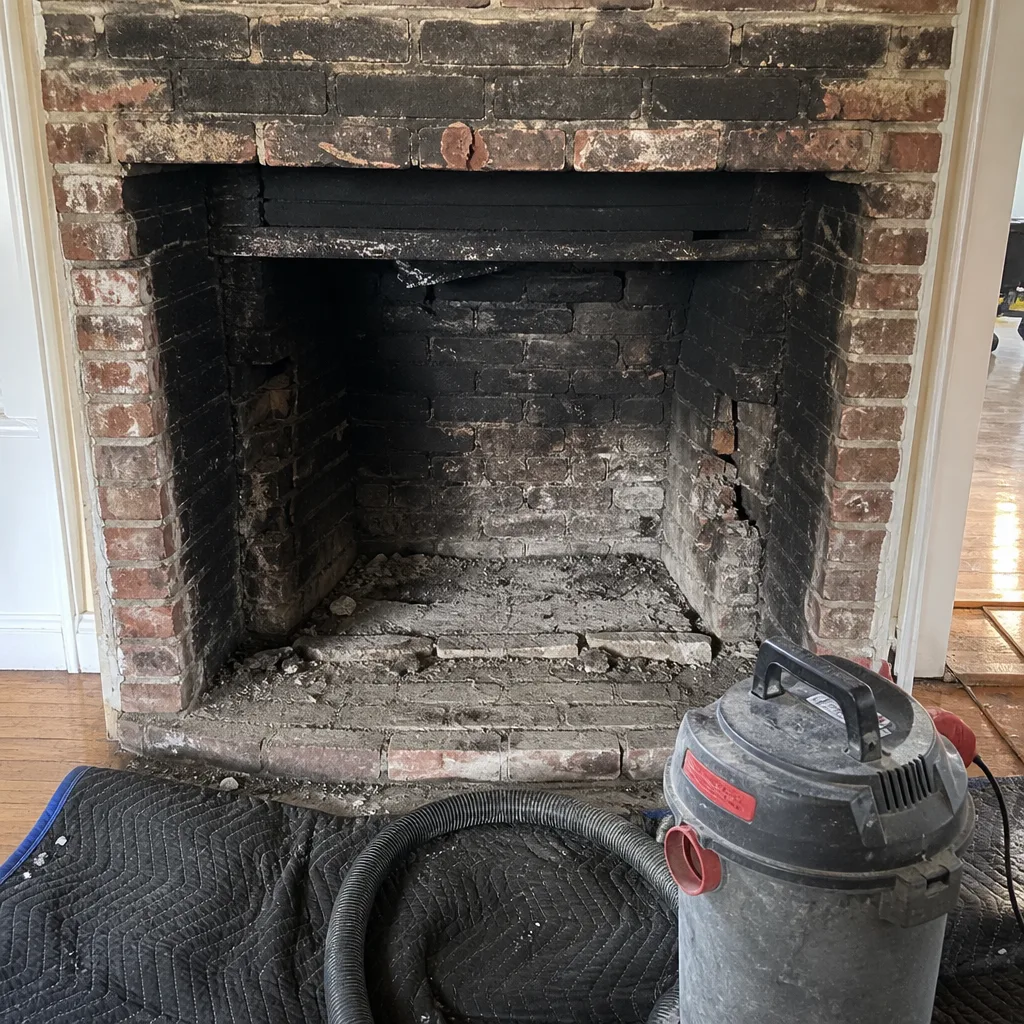 Before
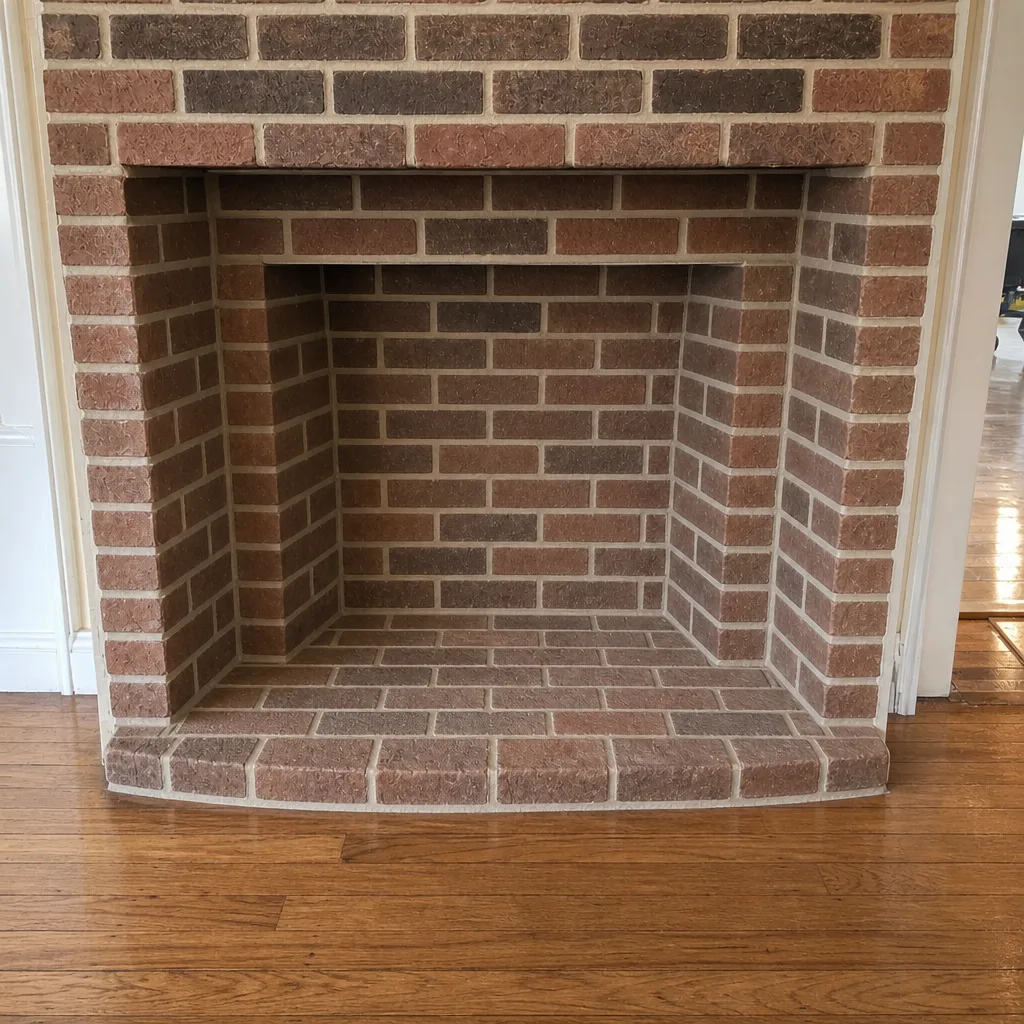 After
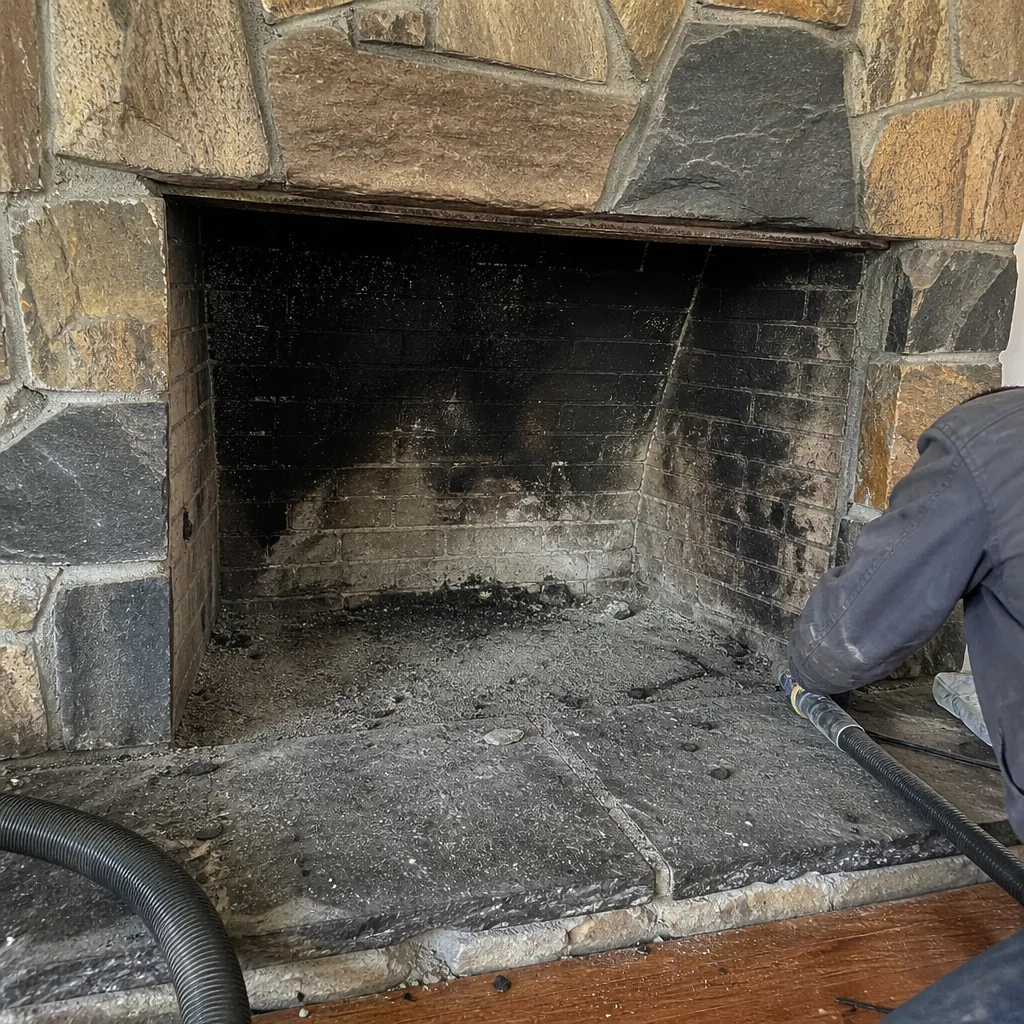 Before
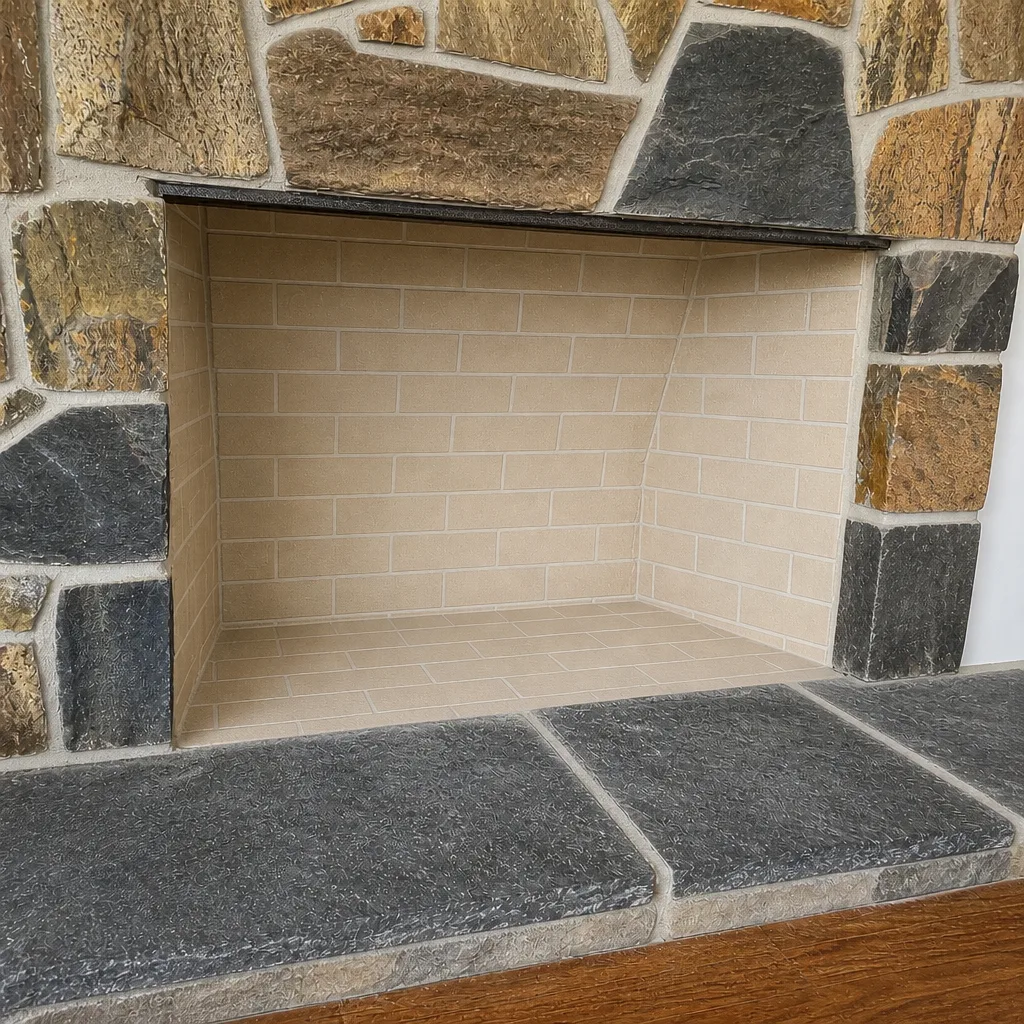 After
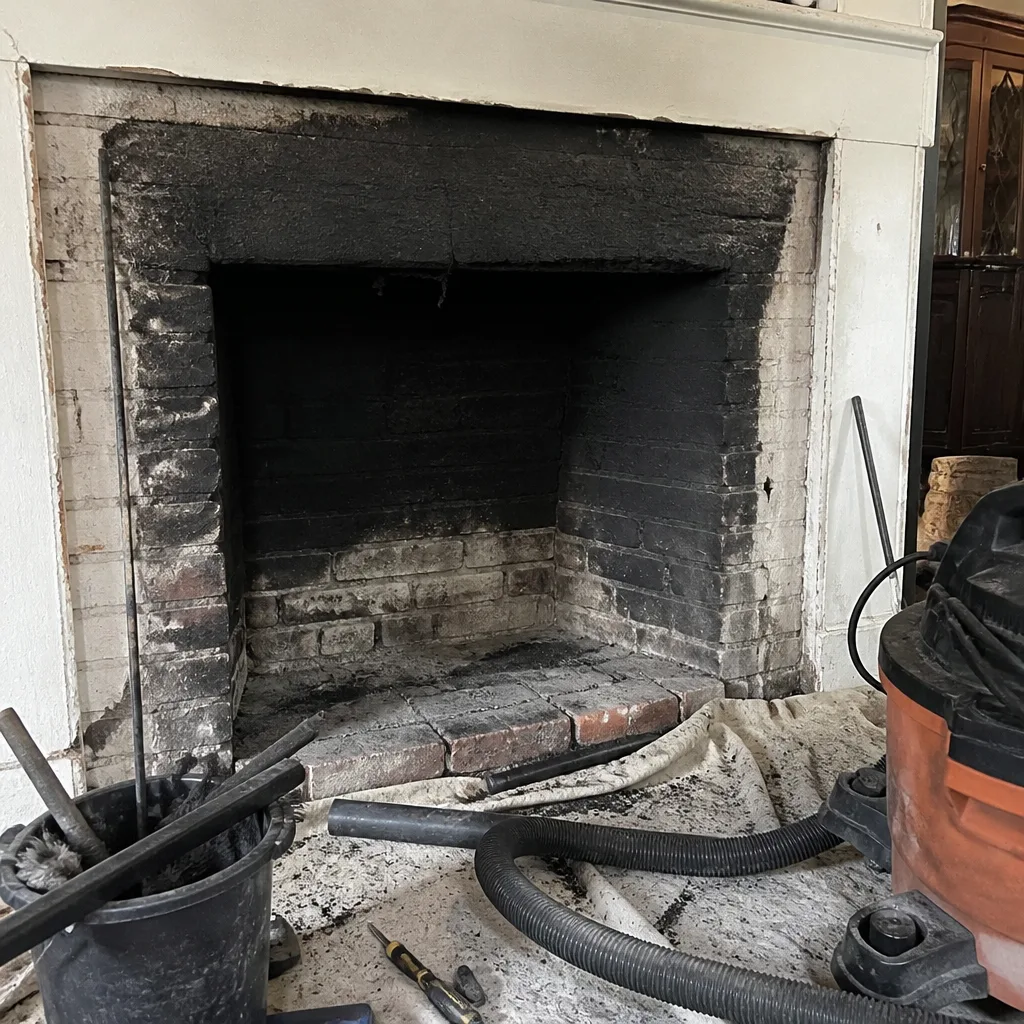 Before
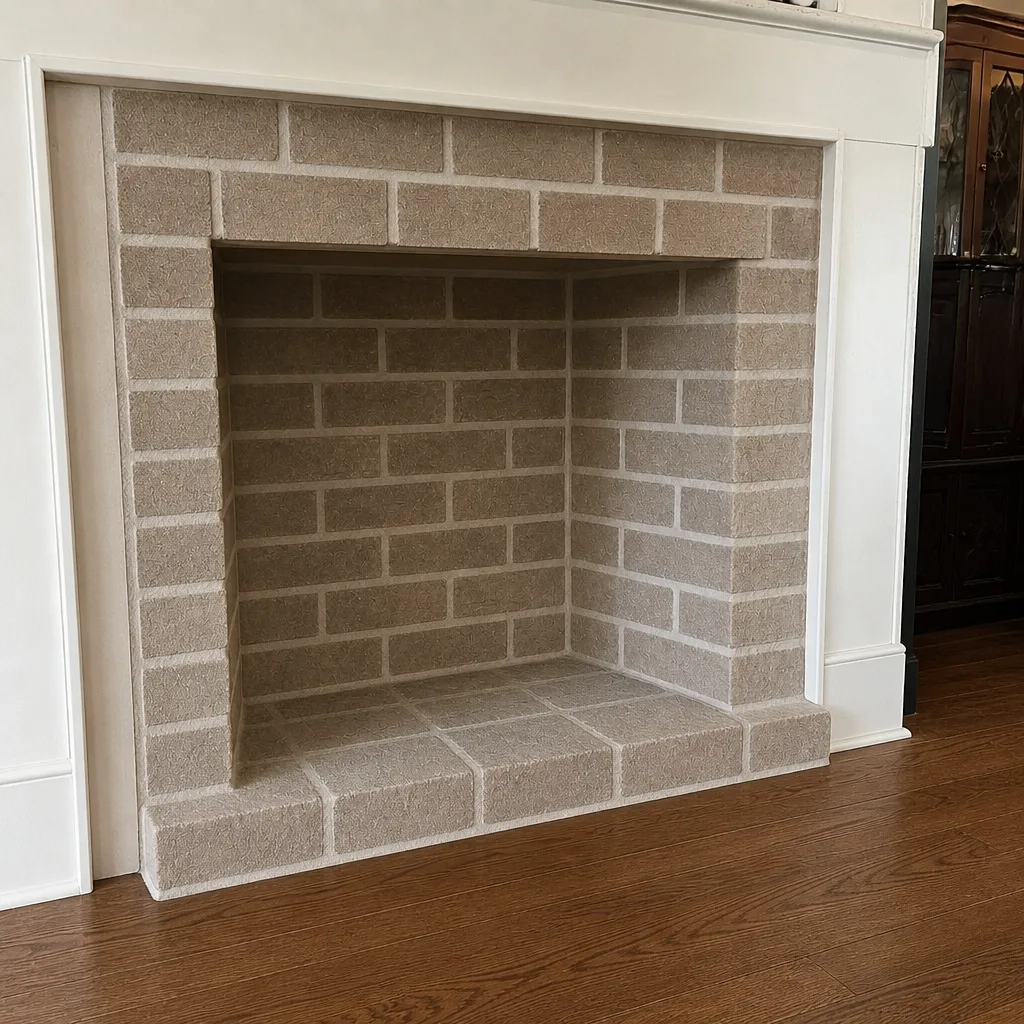 After
How Much Does Chimney Inspection Cost in Williamsburg?
A typical Level 1 inspection in Williamsburg runs $100 – $200 depending on how accessible the chimney is and whether it’s bundled with a sweep. A Level 2 inspection with video scanning, which is what you need for a real estate transaction or after a chimney fire, typically runs $250 – $450. A Level 3 inspection, which involves opening up part of the structure, starts higher – usually $500 – $1,000 or more depending on how much has to be opened and put back. A camera-only look at the flue generally falls in the $150 – $300 range.
What affects the price most is access: a chimney on a steep roof, a rooftop crowded with equipment, or a flue that’s been modified takes more time. How much we can reach without opening anything up matters too. You avoid overpaying by having a clear conversation about which level you actually need before we start – nobody should sell you a Level 3 inspection for a routine annual check.
Our estimate is free, and the written estimate sets the final price. Nothing is recommended without camera evidence you can see for yourself, and if a job can safely wait until before the next burning season, we’ll tell you that. Call (855) 301-8570 for an exact quote – estimates are free.
Chimney Inspection Near Williamsburg – Our Service Area
We provide inspection across Williamsburg and the surrounding neighborhoods of Brooklyn, including Bedford-Stuyvesant, Clinton Hill, Prospect Heights, Fort Greene, Crown Heights, Bushwick, and Park Slope. If you’re in the area and want a formal look at your chimney before the cold sets in, a chimney inspection is the place to start, and we also schedule inspections near chimney inspection in Bedford-Stuyvesant and chimney inspection in Clinton Hill for neighbors across the borough.
Serving Williamsburg, NY – Our Local Coverage Area
We serve Williamsburg and nearby communities. Use the map below to see the area we cover. If you’re nearby, we can almost certainly help.
Frequently Asked Questions – Chimney Inspection in Williamsburg
A chimney inspection is a professional assessment of your chimney as a complete system, not just the flue. It covers the firebox, damper, smoke chamber, liner, crown, cap, flashing, and exterior masonry, and it’s done in three levels depending on how deep the check needs to go. Level 1 is the routine annual look, Level 2 adds video scanning and covers the attic and crawl space, and Level 3 opens up the structure when a hidden defect is suspected. Call (855) 301-8570 for an exact quote – estimates are free.
A Level 1 inspection usually takes 45 minutes to an hour for a standard residential chimney. A Level 2 inspection with video scanning typically runs one to two hours, and a Level 3 can take considerably longer because it involves opening up part of the structure. Access to the roof and the attic affects the time, so we’ll give you a realistic window when you book. Call (855) 301-8570 for an exact quote.
Most inspections in Williamsburg run $100 – $200 for a Level 1 and $250 – $450 for a Level 2 with video scanning. A Level 3 inspection, which is only recommended when the first two levels turn up something that can’t be assessed without opening up the chimney, starts higher. The written estimate sets the final price, and the estimate itself is free. Call (855) 301-8570 to book yours.
Yes – we install and inspect DuraFlex stainless liners and apply HeatShield ceramic flue resurfacing. Those are professional-tier products used across the chimney industry, and we know where they tend to wear so we can tell you whether an existing system is sound. We also work with Gelco and Olympia Chimney components. Whether you have one of those brands or another make, call (855) 301-8570 and we’ll tell you what we can do.
We can often schedule a same-day inspection in Williamsburg, depending on availability and access. We answer 24/7, and fast dispatch runs from 7am to 7pm, Sunday through Friday. A call outside dispatch hours is booked into the next opening. Call (855) 301-8570 to find your slot.
You get a photo report and a clear written summary of what we found. The summary separates safety items from cosmetic ones, tells you what needs repair and what can wait, and notes any brand-specific systems like HeatShield or DuraFlex we inspected. It’s detailed enough to satisfy a real estate transaction or an insurer’s request. Call (855) 301-8570 to talk about what your report needs to cover.
Clear the fireplace area and the hearth, make sure the damper is accessible, and let us know about any recent liner or appliance changes. If the chimney is accessed through an attic or crawl space, clear a path so we can get to it. If you have a prior report, have it handy so we can note what’s changed. Call (855) 301-8570 with any questions before we arrive.
Schedule Your Chimney Inspection Service in Williamsburg Today
If your chimney is due for a look, the right time is before burning season – not after a draft problem shows up in January. We’ll inspect the full system, show you the camera evidence, and tell you plainly what’s sound and what can wait. Our technicians have up to 12 years of experience, and the estimate is free and no-obligation. Call (855) 301-8570. We answer 24/7. Fast dispatch from 7am to 7pm, Sunday through Friday.
Written by the team at Chimney Sweep Williamsburg.