
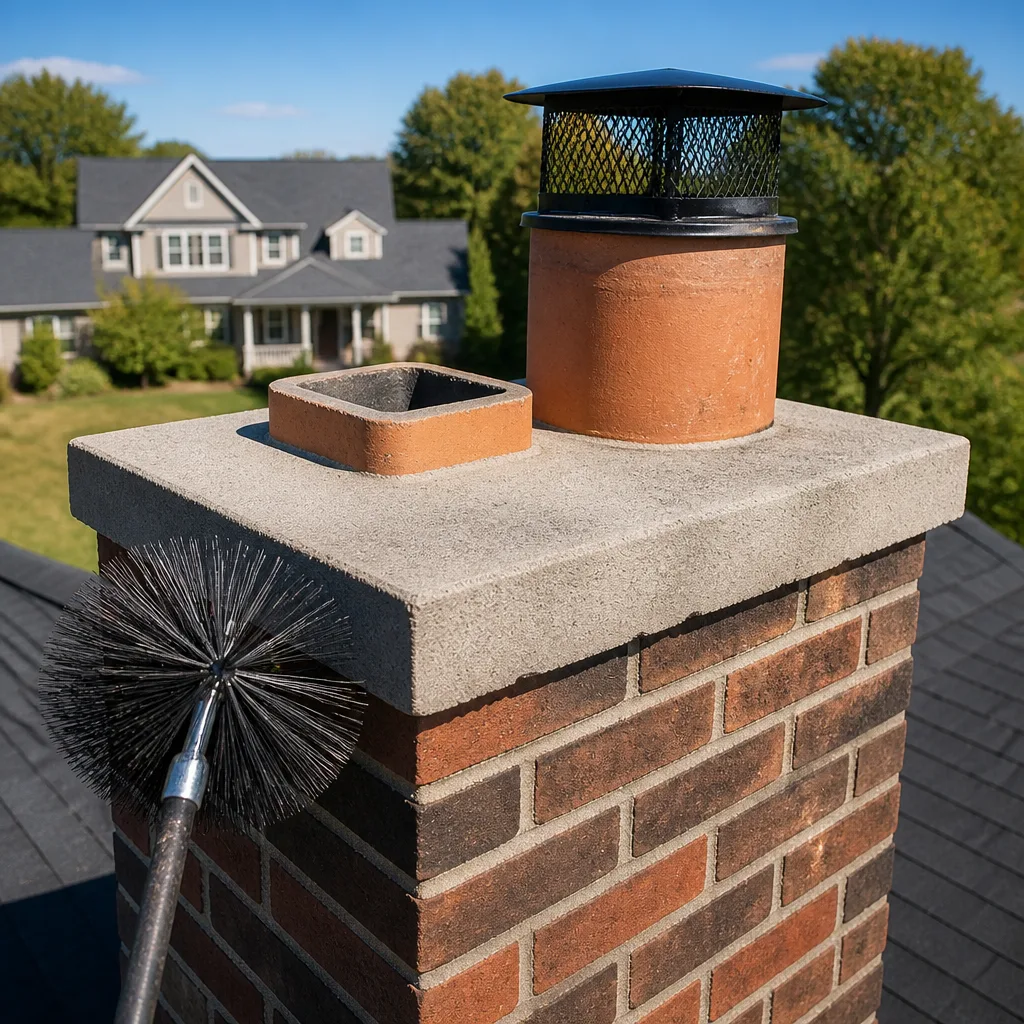
 Sweep & inspection
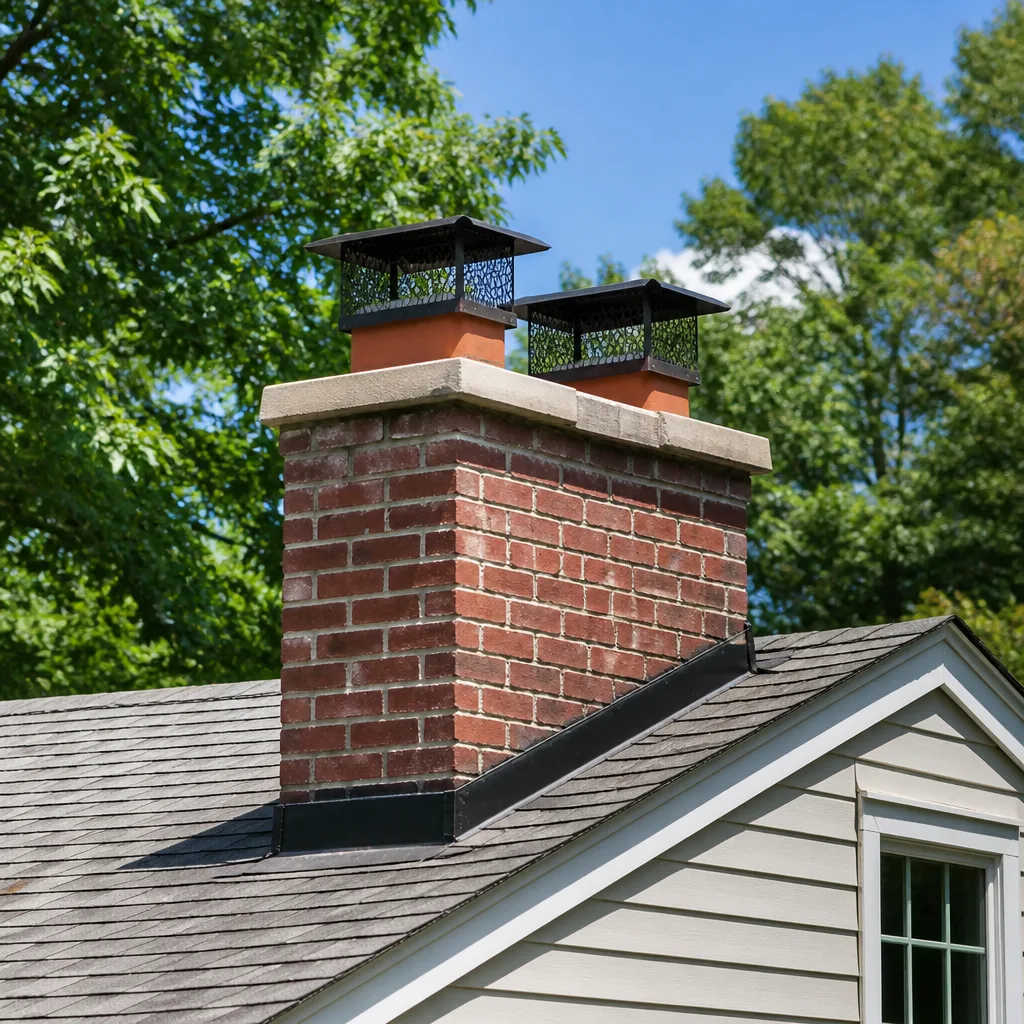 Caps & crowns
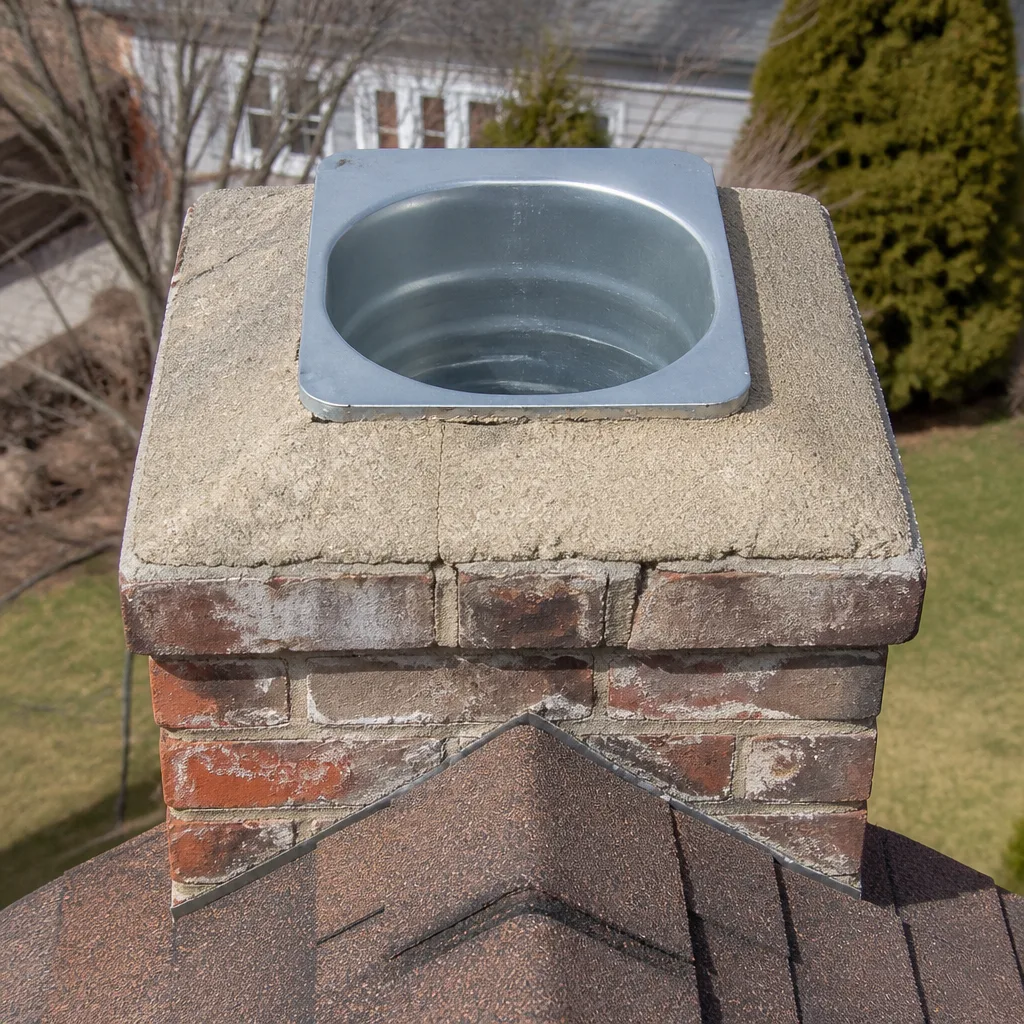 Flue relining
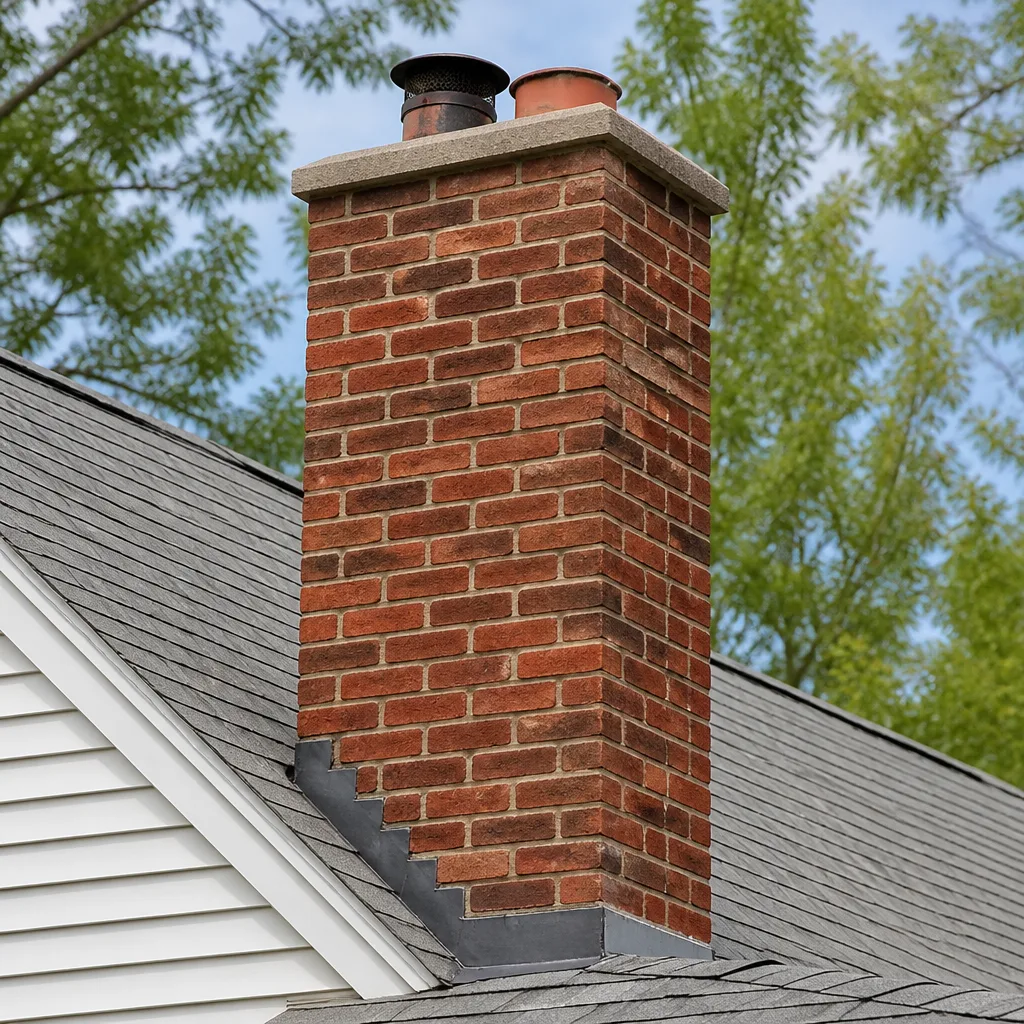 Masonry repair
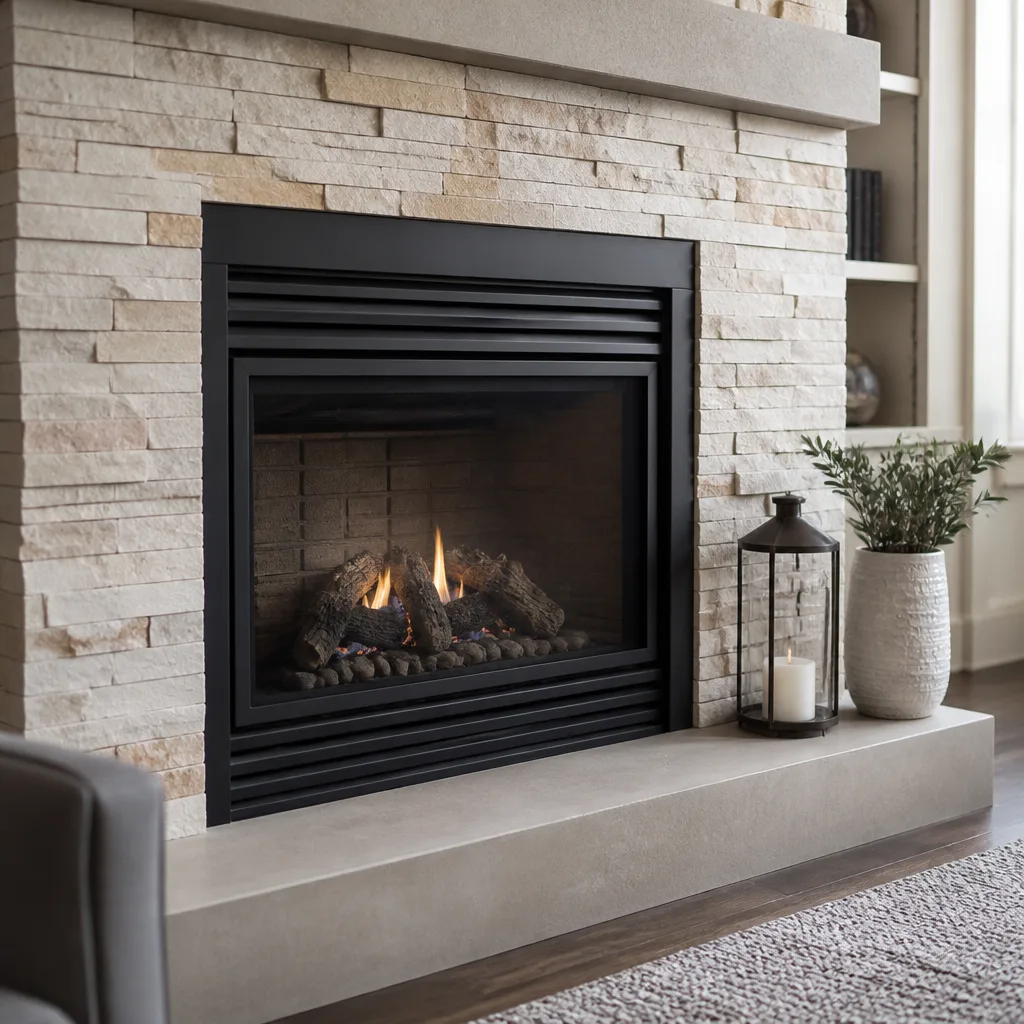 Gas fireplace service
Level 1 sweep and inspection to the NFPA 211 annual standard - flue, crown, cap, and flashing checked and photographed
Chimney sweep logs do not sweep chimneys. They loosen some creosote - which then falls where a brush and vacuum still have to collect it.
Styles & brands we work with
- Sweep & inspection
- Caps & crowns
- Flue relining
- Masonry repair
- Gas fireplace service
See the difference
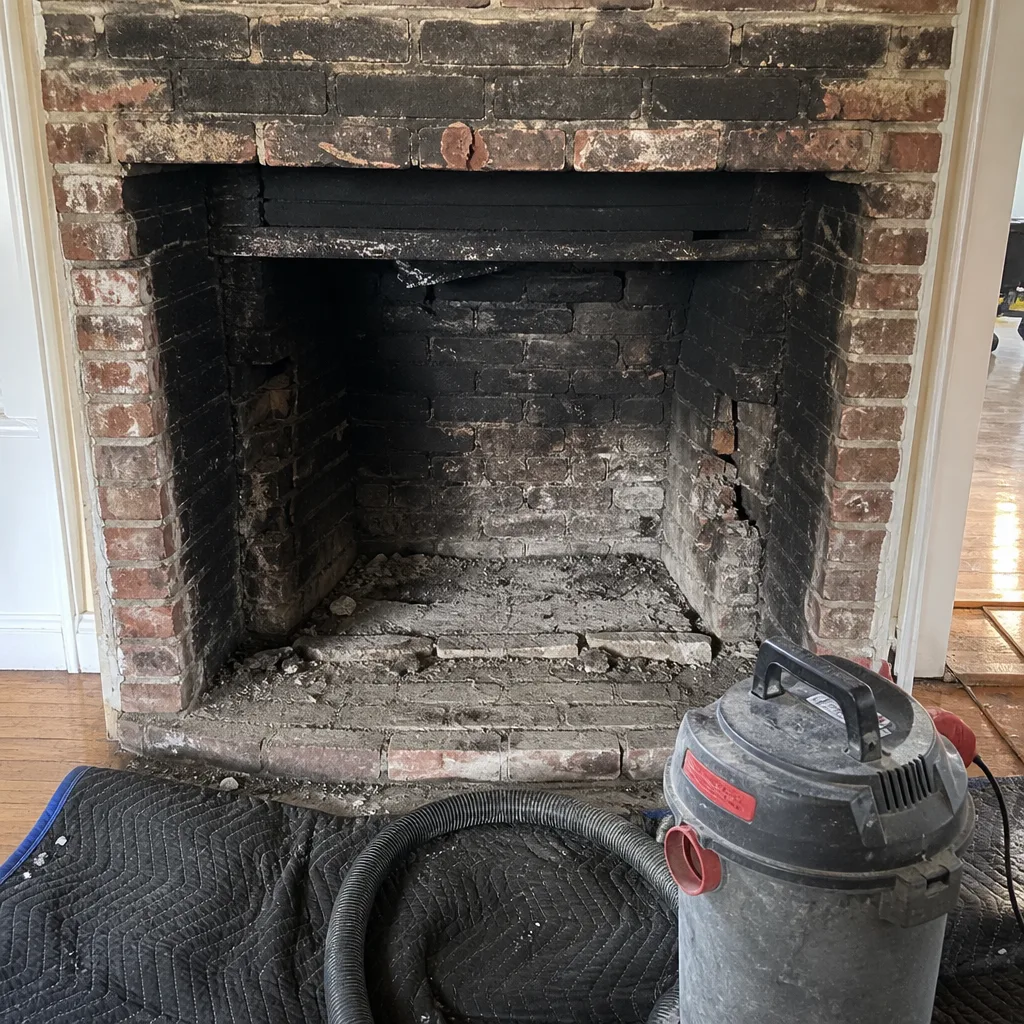 Before
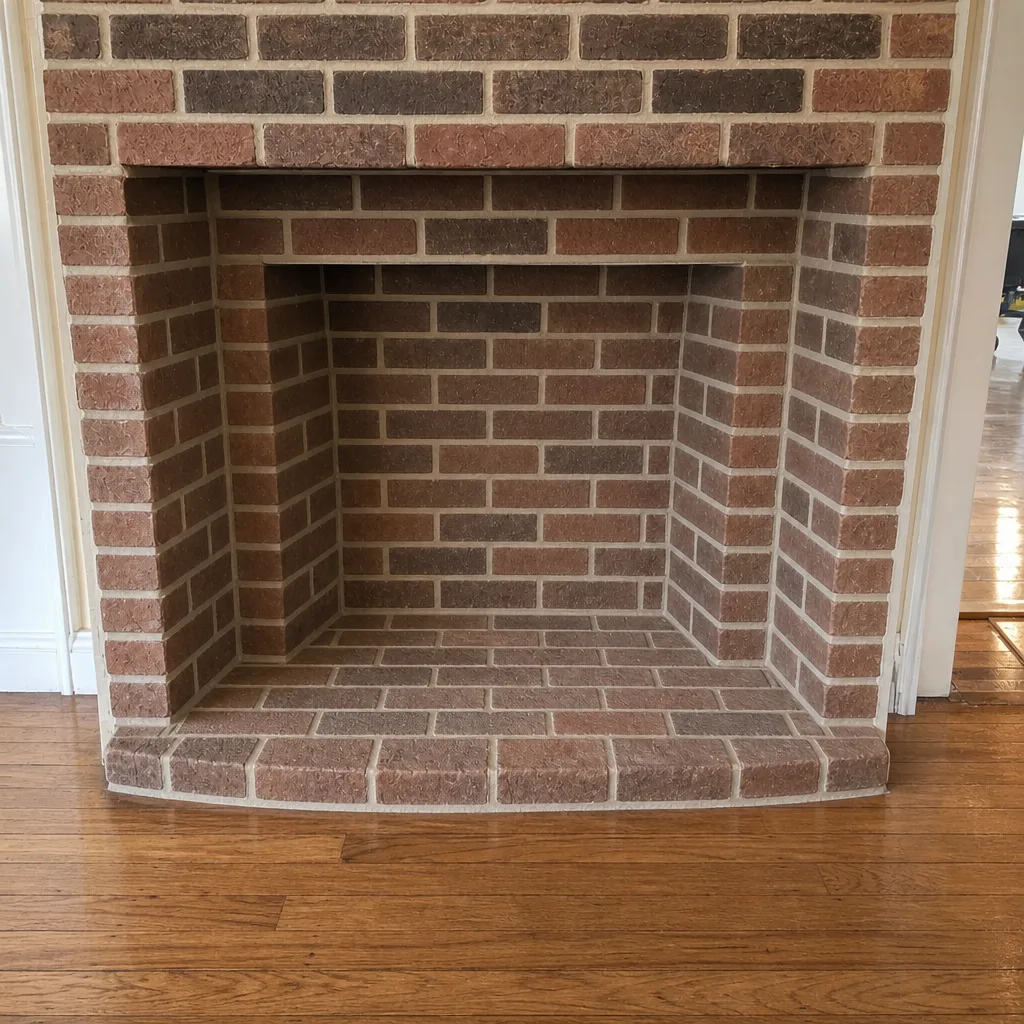 After
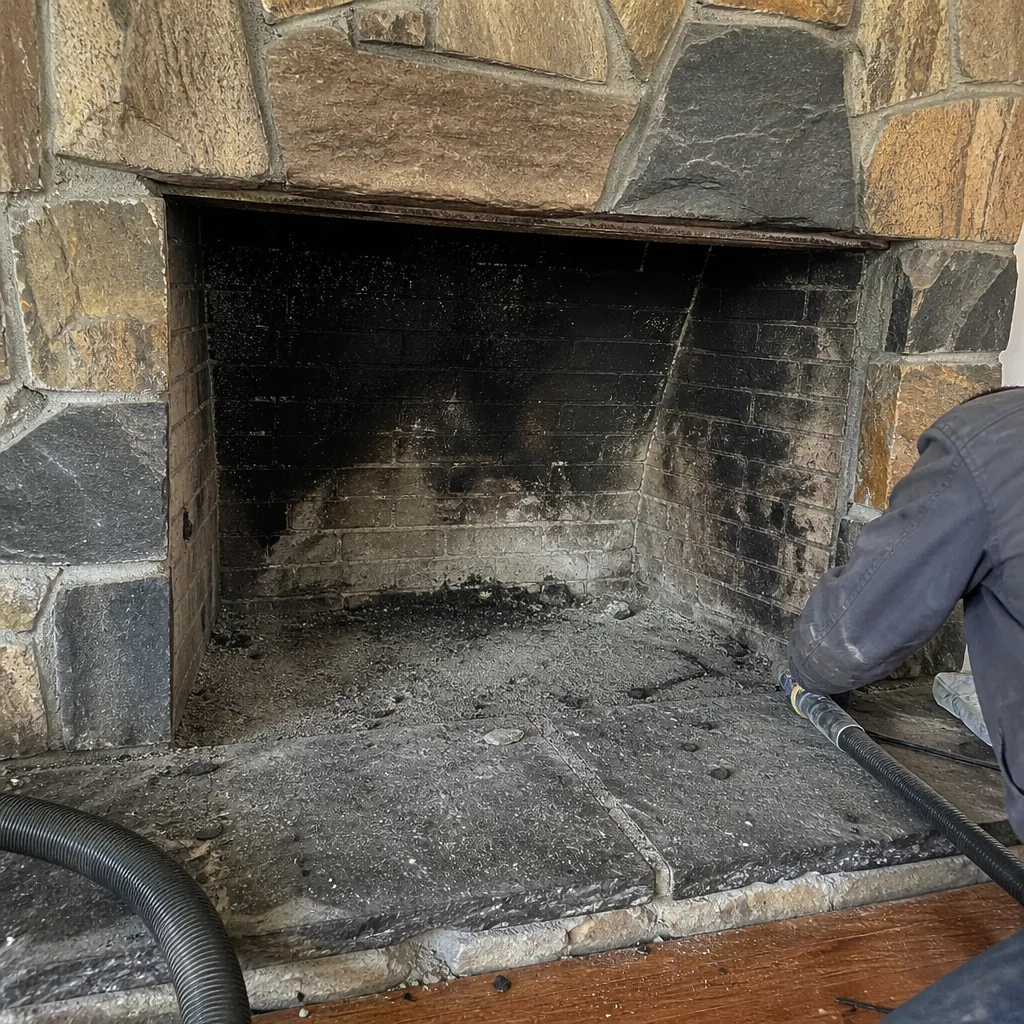 Before
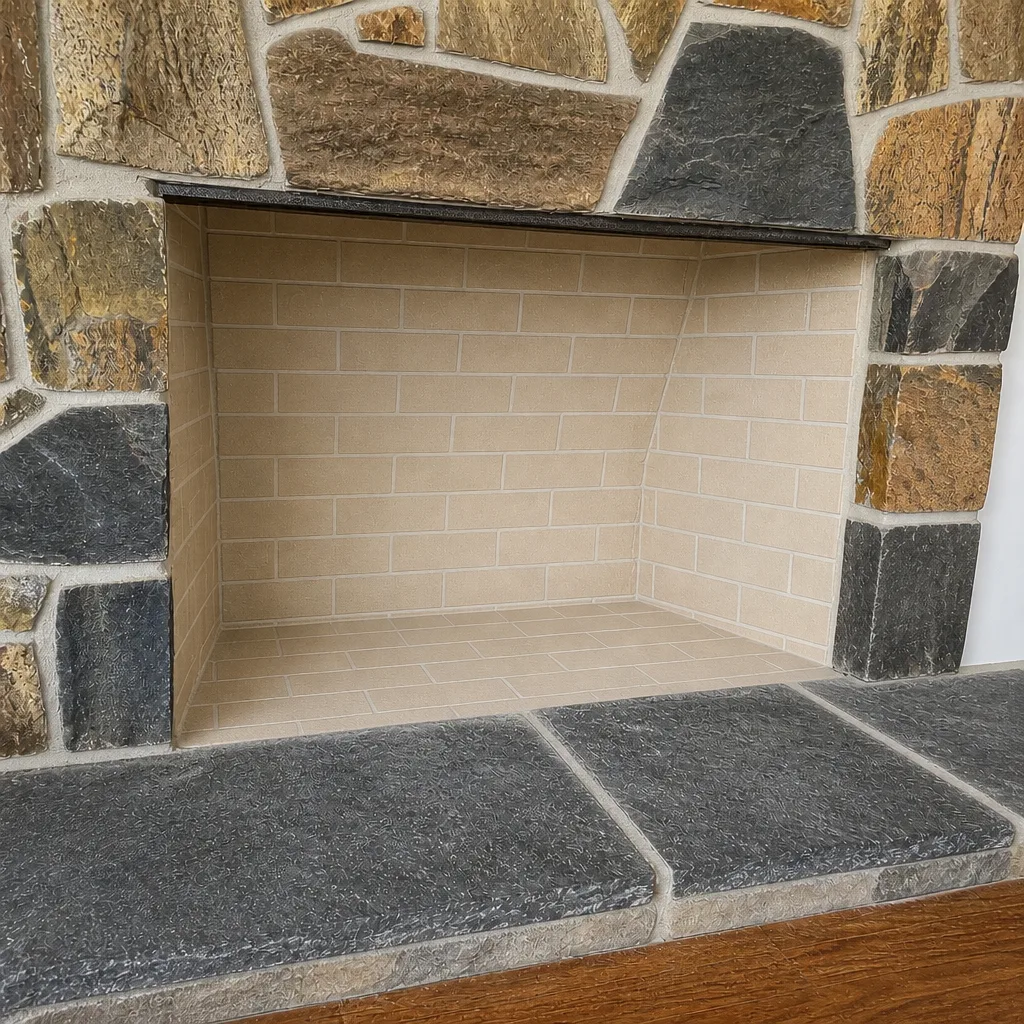 After
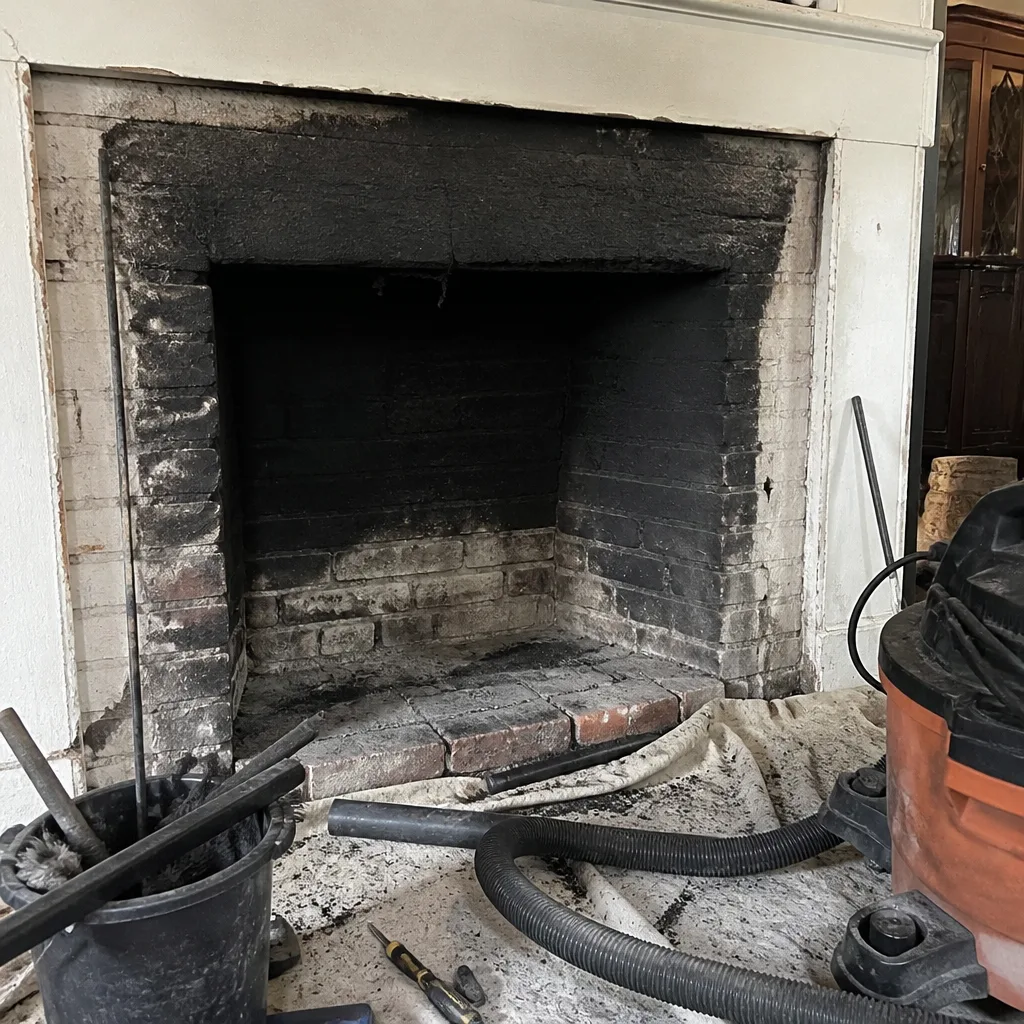 Before
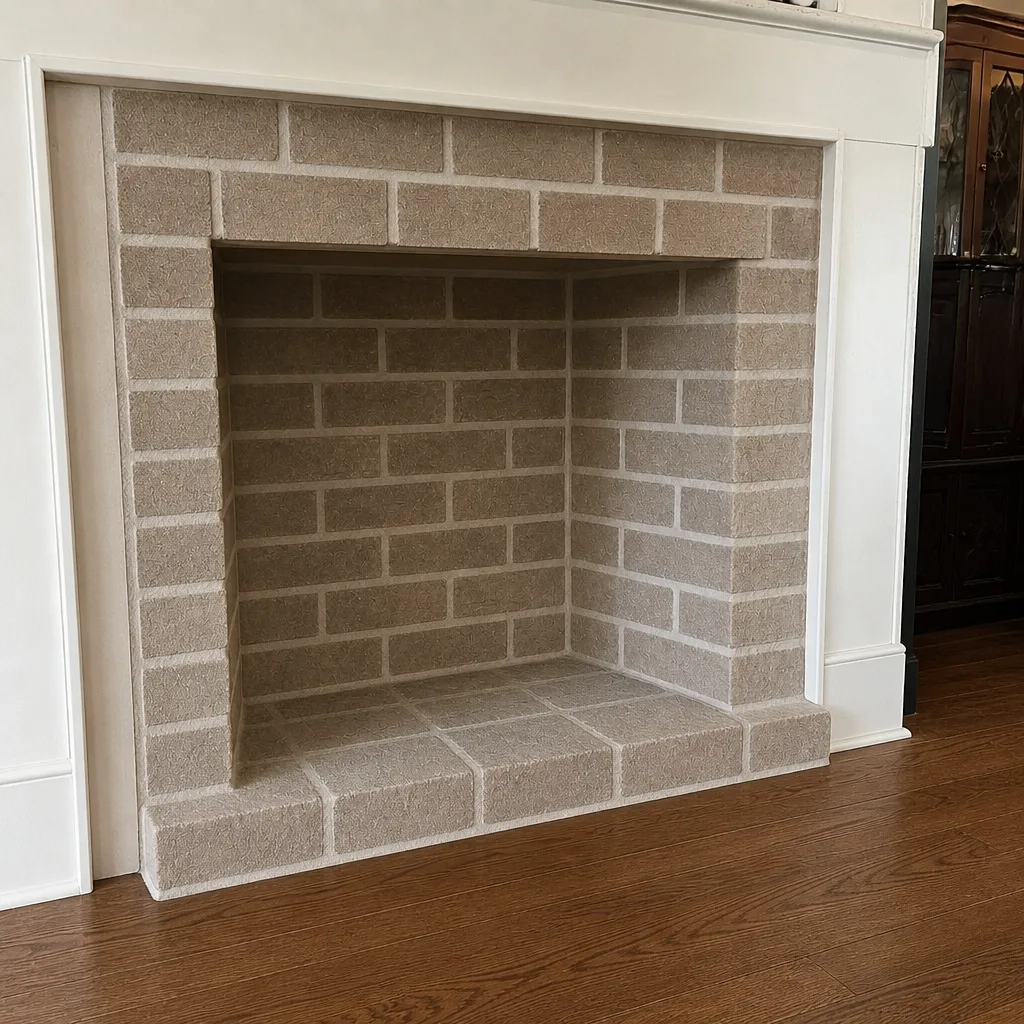 After
How Much Does Chimney Cleaning & Sweep Cost in Williamsburg?
Chimney cleaning in Williamsburg typically costs $180 to $340 for a standard sweep of a single flue, and most homes fall near the middle of that range at around $240. A full inspection paired with the cleaning usually runs $300 to $475. If the technician finds glaze or heavy creosote buildup, expect the job to move toward the top of the range or slightly above it, because that work takes longer and requires different tools.
Those numbers are typical for the Williamsburg market in 2026, not a quote. The written estimate you get after we look at your flue sets the final price, and the estimate itself is free. Chimney Sweep Williamsburg handles the full system, so if the sweep turns up a cracked crown or a failing liner, you don’t have to start over with a second contractor.
Key Takeaways
- Standard single-flue sweep: $180 to $340
- Sweep plus inspection: $300 to $475
- Heavy creosote or glazed flue: $350 to $600
- Estimates are free, and the written estimate is the price you pay
- Same-day service is often possible; call (855) 301-8570
Chimney Cleaning & Sweep Cost Breakdown (2026)
Here’s how the work breaks out by line item. The ranges below reflect what a typical Williamsburg job runs when the chimney is accessible and the flue isn’t badly compromised. Nothing here is a flat rate; each job gets priced on its own.
| Service | Typical Range |
|---|---|
| Standard sweep, one flue | $180 – $340 |
| Sweep with a Level 2 inspection (camera) | $300 – $475 |
| Standalone Level 2 inspection | $200 – $350 |
| Heavy or glazed creosote removal | $350 – $600 |
| Second flue cleaned at the same visit | $90 – $160 |
| Fireplace firebox cleaning | $75 – $150 |
| Chimney cap installation | $180 – $420 |
| Crown repair or rebuild | $350 – $900 |
| HeatShield ceramic flue resurfacing | $900 – $1,900 |
| DuraFlex stainless liner installation | $1,800 – $3,800 |
What pushes a job up: a flue that hasn’t been cleaned in several seasons, a chimney with more than one flue that needs attention, roof access that’s awkward because of pitch or nearby trees, and any repair the sweep uncovers. What keeps it down: an annual cleaning that never let creosote build, easy access from the roof, and a single-flue chimney with a cap already in place keeping rain and animals out.
The cleaner the flue is when the technician starts, the closer you are to the low end. That’s the real argument for regular chimney cleaning & sweep visits rather than waiting until the fireplace starts smoking backward into the room.
What Affects Chimney Cleaning & Sweep Pricing in Williamsburg
Williamsburg’s housing stock shapes the price more than most homeowners expect. A lot of the neighborhood’s buildings are older rowhouses and converted multi-unit walk-ups, and that means the chimney on your roof was probably built decades before anyone thought about modern liner standards. Brick that’s been through a hundred freeze-thaw cycles, plus flues sized for old coal or oil appliances, creates work that a newer suburban chimney simply doesn’t need.
- Flue condition and creosote level. Light soot sweeps out with a standard brush. Glazed, tar-like creosote has to be chemically treated and scraped, sometimes over two visits, which is the single biggest reason a price lands at $500 or more.
- Number of flues. A rowhouse with a fireplace flue plus a separate heating flue means two liners to inspect and possibly two to clean. Each extra flue adds $90 to $160 at the same appointment.
- Rooftop access. Flat and low-slope roofs common on Williamsburg’s older buildings are easy. Steep pitched roofs with no safe footing, crowded with neighboring chimney stacks, take longer and require ladders and fall protection, which shows up in the estimate.
- Liner material. Clay tile liners crack; older chimneys may have none at all. A sweep on a cracked liner shouldn’t happen until the liner is addressed, and that conversation changes the scope and the price.
- Whether cleaning is bundled with inspection. A standalone Level 2 inspection with a camera runs $200 to $350 on its own. Done alongside the sweep, the combined visit usually costs less than booking two separate appointments.
- What the sweep uncovers. A missing cap, a spalling crown, a loose brick course: these are common findings in older Williamsburg chimneys, and each one is a repair estimate on top of the cleaning. You decide whether to move on it.
We tell you what we find and why it matters for your safety and your home’s integrity, then give you the number in writing. No surprise line items after the fact.
How to Save on Chimney Cleaning & Sweep
Straightforward ways to keep the bill near the low end of the range:
- Keep a chimney cap on. A cap keeps rain, squirrels, and nesting birds out of the flue. Water and debris are the two biggest causes of the deterioration that turns a $240 sweep into a liner replacement. A cap runs $180 to $420 installed and pays that back many times over.
- Book a cleaning before the heating season, not during it. Demand spikes in the cold months. Getting the flue looked at in the shoulder season means more flexibility on scheduling and often a straight standard sweep with no rush.
- Burn dry, seasoned wood. Wet wood smolders and lays down creosote fast. Dry hardwood burns hotter and cleaner, which keeps the flue in better shape between visits and keeps you out of the heavy-creosote pricing tier.
- Clean every flue you burn in, once a year. A yearly sweep costs far less than repairing a chimney damaged by a chimney fire. It’s the cheapest insurance on the whole system.
- Ask for the inspection and the sweep together. Bundled into one visit, the combined price is lower than two separate appointments, and you get a complete picture of the system rather than just a clean flue.
- Get the estimate in writing before work starts. Free estimates are standard here. Call (855) 301-8570 and we’ll price the job upfront, so you know the number before anyone gets on the roof.
What Does a Chimney Cleaning Actually Involve?
A proper sweep is not a quick brush-and-go. The technician sets up drop cloths and a sealed vacuum so no soot lands in your living room, then works the flue from the roof and from the firebox, brushing the full length of the liner and pulling the debris out through a closed system. The firebox, smoke chamber, and damper get cleaned too, because that’s where a lot of the buildup collects.
Then comes the look at the rest of the system: the crown, the cap, the flashing where the chimney meets the roof, and the brickwork itself. A chimney is a system, and we inspect and service every component, not just the flue. That’s why a sweep-and-inspection visit exists as a package: the cleaning tells you the flue is clear, the inspection tells you the chimney is sound.
If the inspection turns up a problem, you get an honest account of it and a written repair estimate. We don’t pressure. What we do is explain what a spalled crown or a cracked liner means over another winter, and let you decide. Problem areas we commonly find in Williamsburg chimneys include cracked clay tiles, missing caps, mortar joints that have eroded, and crowns that have pulled away from the flue.
Fireplace problems don’t start at the firebox, so we trace issues to their source rather than cleaning around them. A smoky fireplace is usually a draft problem or a flue that’s too small or blocked, and a sweep alone won’t fix it. Finding the cause saves you from paying for the same cleaning twice.
Do I Need a Sweep Before the Season Starts?
If you burn wood regularly, yes: once a year, before the first fire. Creosote accumulates every time you burn, and it’s highly flammable. A flue with a heavy buildup can catch fire, and a chimney fire can spread into the structure of the building. That’s not a scare tactic; it’s the reason annual cleaning is the standard recommendation across the trade.
If you haven’t used the fireplace in years, the first step is an inspection, not a sweep. Sitting chimneys collect animals, nests, and debris, and a camera inspection tells you what’s actually in there before anyone runs a brush through it. chimney inspection as a standalone service covers that, including for real-estate transactions and insurance requests where a written report is needed.
For homes with a wood-burning stove or insert, the same yearly rhythm applies, though inserts sometimes need the liner checked more closely because of the higher heat they produce. A Level 2 inspection with a camera is the way to see the liner’s true condition, and it’s what we recommend before relying on any chimney for a season.
How Do I Choose a Chimney Sweep in Williamsburg?
Ask three questions: what they’ll do, what it costs, and what they’ll do if they find a problem. A sweep who can’t inspect the full system, or who has to refer you elsewhere for a liner or crown repair, leaves you coordinating two contractors and paying twice for access. Choosing one who handles the whole chimney lifecycle means findings during a sweep get resolved without a second opinion and a second trip.
Material quality matters more than most homeowners realize. We work with professional-grade products from DuraFlex, HeatShield, Gelco, Olympia Chimney, Famco, and Copperfield: the same materials specified by certified chimney engineers, not hardware-store substitutes. When a liner gets relined or a flue gets resurfaced, the product that goes in matters as much as the labor.
Specialty capability is another marker. HeatShield ceramic flue resurfacing, which restores a deteriorated clay liner from the inside without a full tear-out, isn’t something a general handyman or a basic sweep crew can do. DuraFlex flexible stainless relining is the structural upgrade for a chimney whose liner is past saving. Between the two, most compromised flues in Williamsburg can be brought back to working condition rather than rebuilt.
And get it in writing. A written estimate, a clear scope, and a phone number that someone answers. That’s the standard to hold any contractor to.
What Happens When You Call
We answer 24/7. Fast dispatch from 7am to 7pm, Sunday through Friday. A call outside dispatch hours is booked into the next opening. When you call (855) 301-8570, we’ll ask about your chimney, how many flues, whether you’ve been burning wood, and what you’ve noticed, then set up a time and give you a free written estimate.
Our technicians have up to 12 years of experience with the full scope: sweep, cap and crown, chimney repair, fireplace repair, and inspection. One call covers the whole system. And if something on the roof needs fixing, the local pro who comes out is licensed and insured as their state requires.
FAQs – Chimney Cleaning & Sweep Cost
How much does a chimney sweep cost in Williamsburg?
A standard single-flue sweep in Williamsburg costs $180 to $340, with most jobs landing around $240. Add a Level 2 camera inspection and the visit runs $300 to $475. The written estimate sets the final price. Call (855) 301-8570 for an exact quote; estimates are free.
Why is my chimney cleaning quote higher than $340?
Usually it’s creosote. Glazed, tar-like buildup requires chemical treatment and extra scraping, which pushes the job into the $350 to $600 range, and sometimes past it if a second visit is needed. A cracked liner or a failing crown found during the sweep adds repair cost on top of cleaning. Call (855) 301-8570 and we’ll tell you what your specific chimney needs.
Is it cheaper to clean the chimney or reline it?
Cleaning is far cheaper: $180 to $340 versus $1,800 to $3,800 for a DuraFlex stainless liner. But they solve different problems. A sweep keeps a sound chimney clear; relining is for a liner that’s cracked, unlined, or too deteriorated to clean safely. If the liner is failing, cleaning it doesn’t fix it. Call (855) 301-8570 and we’ll inspect before recommending either.
Do I need a chimney inspection before buying a house in Williamsburg?
Yes, and a standalone Level 2 inspection runs $200 to $350. Older Williamsburg rowhouses and walk-ups often have clay liners that have cracked or chimneys that predate modern standards, and a camera inspection with a written report is what buyers, sellers, and insurers ask for. Call (855) 301-8570 to schedule one.
Can you clean my chimney and fix what you find in one visit?
Often, yes: the sweep and inspection happen together in $300 to $475, and small fixes like a cap or a crown patch can sometimes be handled at that appointment. Larger work like HeatShield resurfacing at $900 to $1,900 or a full DuraFlex reline at $1,800 to $3,800 gets priced separately in writing. Because we handle the whole system, you don’t need a second contractor. Call (855) 301-8570 for a free estimate.
Book a Free Estimate
Whether it’s a routine fall sweep or a chimney you’re worried about, the fastest way to a real number is to call. We’ll price the work upfront, tell you plainly what the chimney needs, and handle the repair if it comes to that. Call (855) 301-8570. We answer 24/7, with fast dispatch from 7am to 7pm, Sunday through Friday. Same-day service is often available. Estimates are free, and the written estimate is the price you pay.
Pricing reflects the Williamsburg market as of 2026. Chimney Sweep Williamsburg offers free estimates – call (855) 301-8570.
Written by the team at Chimney Sweep Williamsburg.
What Our Customers Say
"Liner was cracked in two places. He walked me through the repair options honestly, including the one that was cheaper for him and better for me."
- Gabriela Martinez"Creosote buildup was worse than I realized. He measured it, showed me the glazing on the flue with the camera, and was honest that we were closer to a chimney fire than I wanted to hear."
- Jason Gallagher"Swept it, capped it, and installed a proper damper. The downdraft smell in the summer that we'd lived with for years is gone."
- Justin Wong