
Last updated November 22, 2026
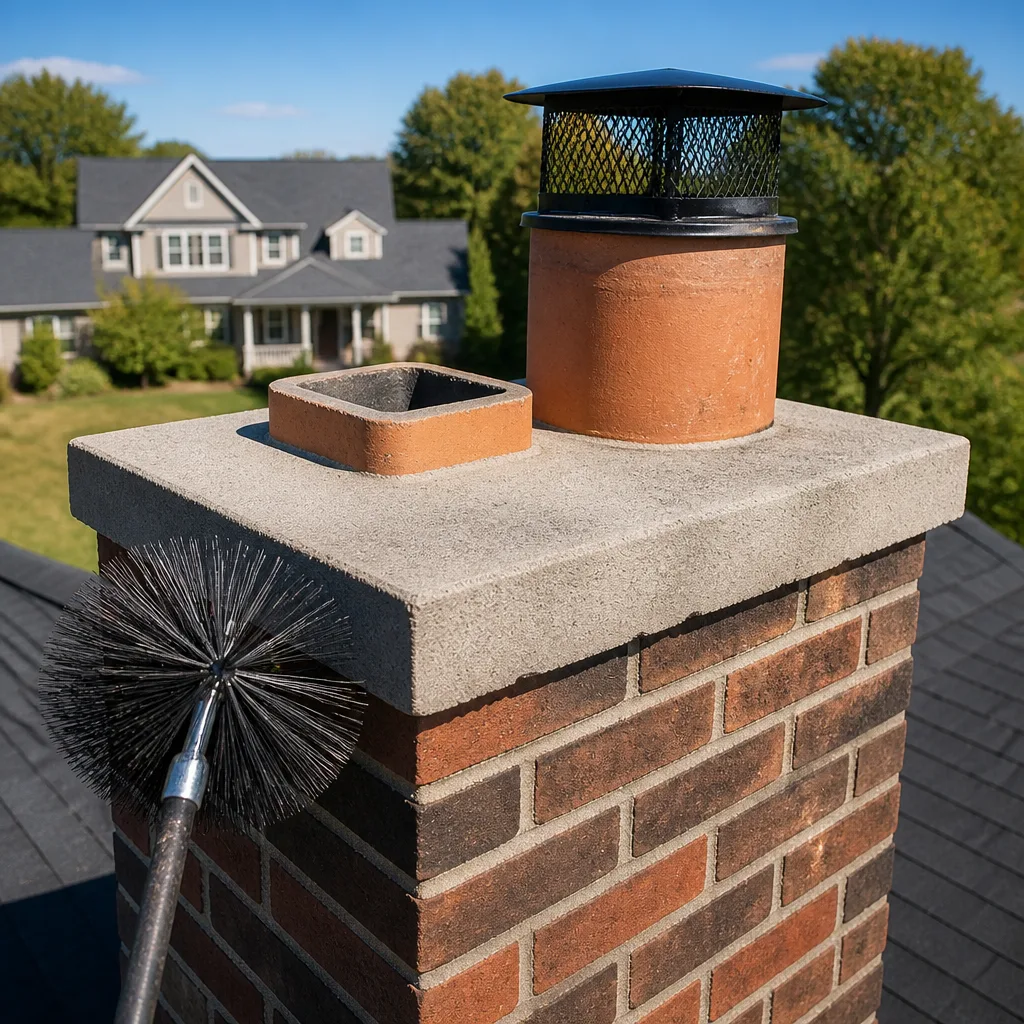 Sweep & inspection
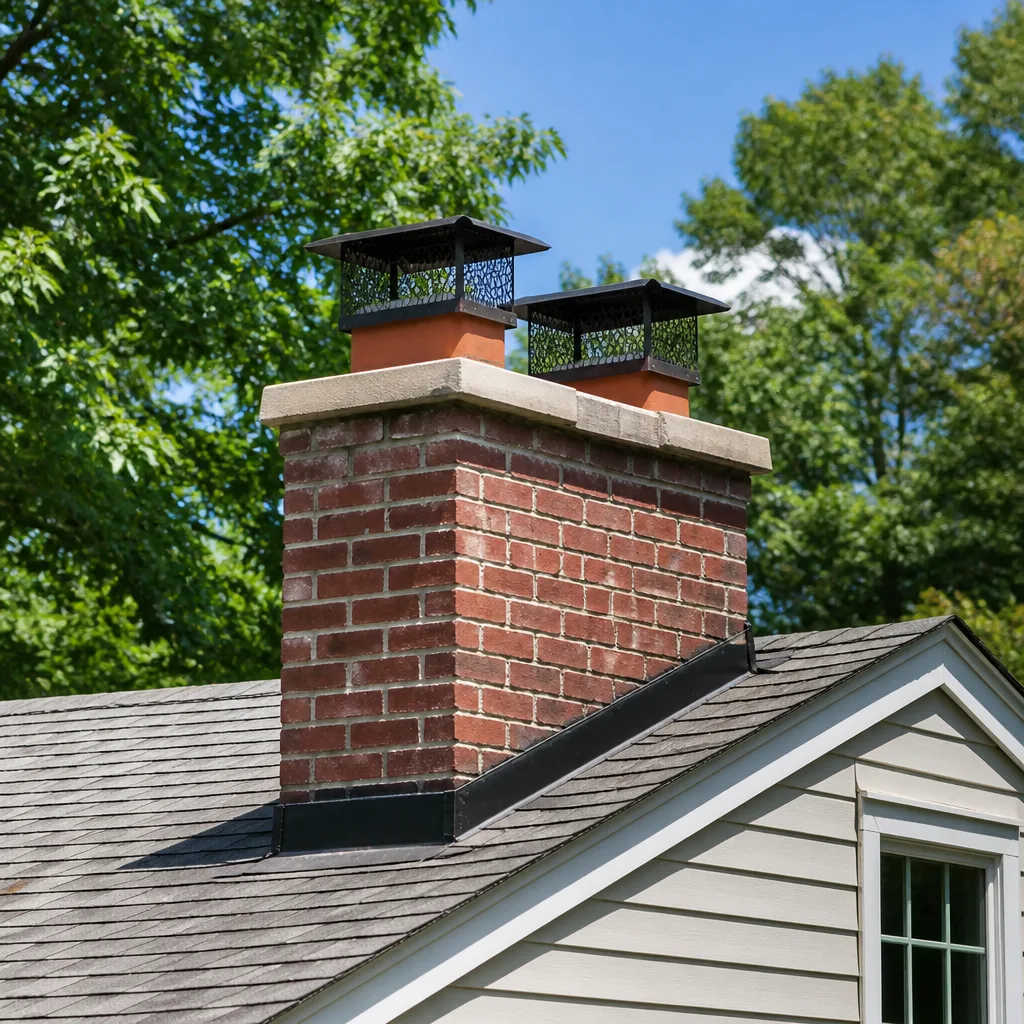 Caps & crowns
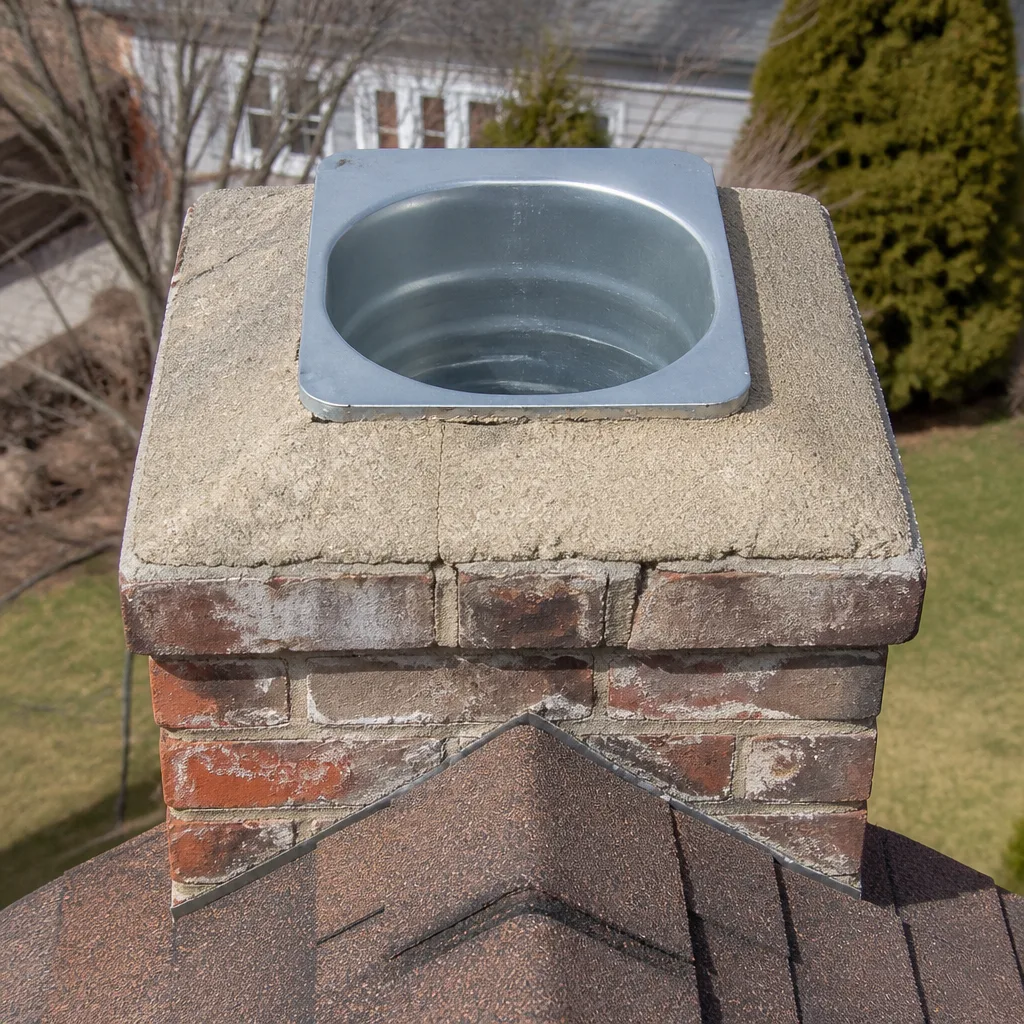 Flue relining
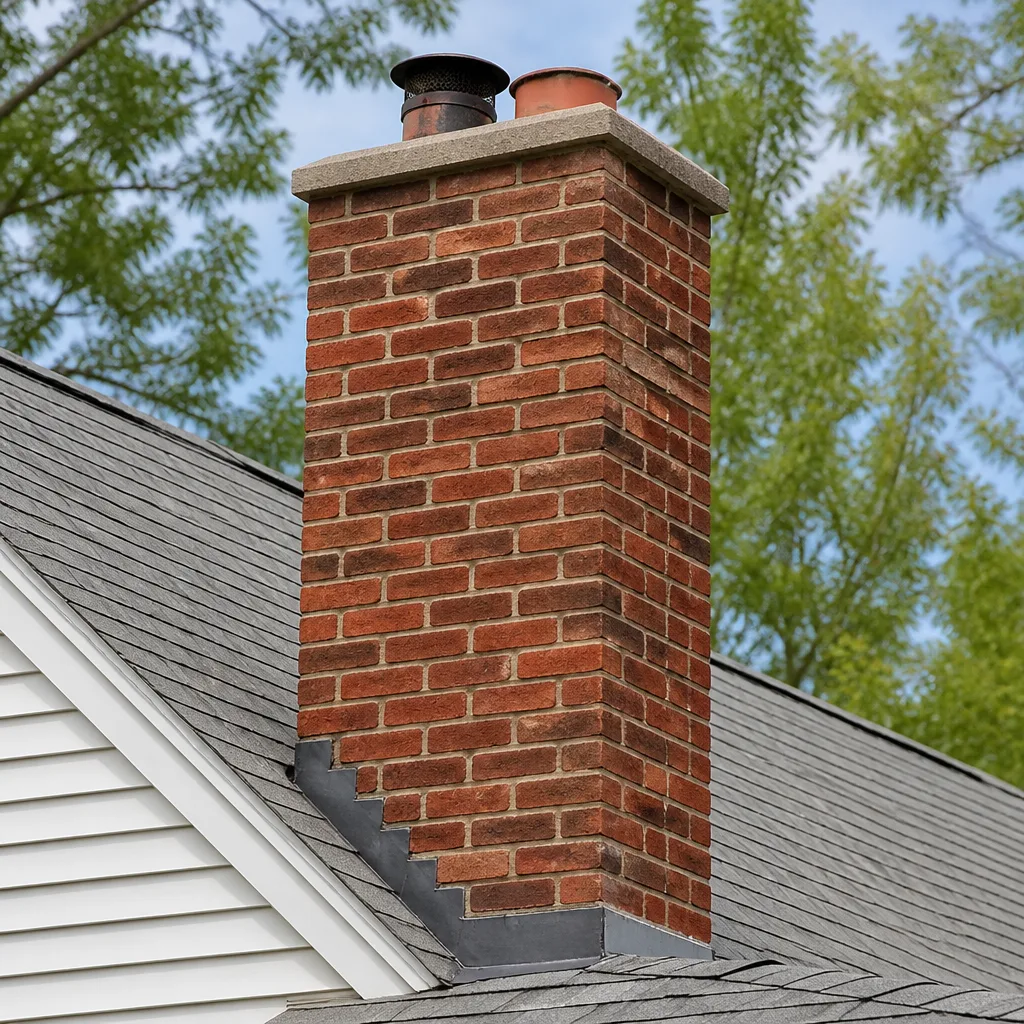 Masonry repair
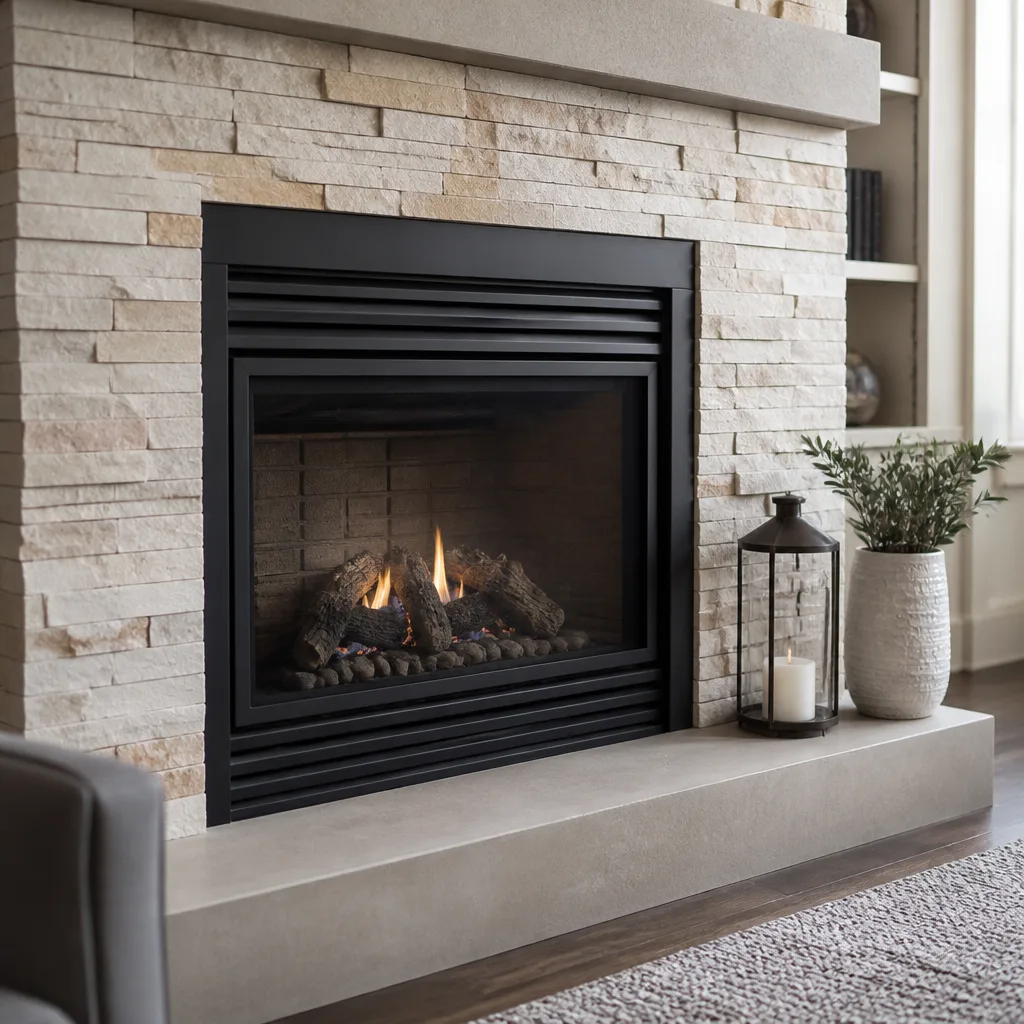 Gas fireplace service
Level 1 sweep and inspection to the NFPA 211 annual standard - flue, crown, cap, and flashing checked and photographed
Chimney sweep logs do not sweep chimneys. They loosen some creosote - which then falls where a brush and vacuum still have to collect it.
Chimney Cleaning Cost Breakdown: The Williamsburg Homeowner’s Reference for 2026
Three Williamsburg contractors can quote wildly different prices for what each of them calls “chimney cleaning,” and every one of those quotes can be honest. The difference is scope. One price may cover a quick brush-out of the firebox and flue, another may include a camera check of the liner and a look at the smoke chamber, and a third might quietly leave out the crown inspection because the technician never gets on the roof. None of them will spell that out unless you ask. This reference walks through every line item on a chimney service invoice, how Williamsburg building stock and rooftop conditions move those numbers, and how to compare quotes without accidentally buying a liability instead of a service.
Quick Answer
A standard chimney sweep in Williamsburg typically runs $175 to $350, a Level 2 camera inspection adds roughly $150 to $300 on top, and specialized repairs like liner relining or crown work range from about $1,200 to $6,000 depending on the system. The written estimate sets the final price, and any reputable company will break out each line so you can see exactly what you’re paying for.
Styles & brands we work with
- Sweep & inspection
- Caps & crowns
- Flue relining
- Masonry repair
- Gas fireplace service
Table of Contents
- The Line-Item Reference: What Each Chimney Service Actually Costs
- What Drives Price Variation in Williamsburg
- Level 1, 2, and 3 Inspections Explained
- Legitimate Add-Ons vs. Upsell Tactics
- How to Bundle Services to Get the Most From One Visit
- The True Cost of Deferred Maintenance
- How to Compare Quotes Without Getting Burned
- Common Mistakes to Avoid
The Line-Item Reference: What Each Chimney Service Actually Costs
This is the table every homeowner should have in front of them when a quote lands on the kitchen table. These ranges reflect typical costs for Williamsburg homes in 2026. They are estimates, not bids. Rooftop access, chimney height, and the condition of what we find inside will always shift the final written price.
- Basic chimney sweep (firebox, flue brush, smoke shelf, ash cleanup): $175 to $350
- Level 1 inspection (visual, no camera, usually bundled with a sweep): $0 to $100 when combined, $125 to $200 standalone
- Level 2 inspection (camera inspection of the flue and liner, photo report): $150 to $300 add-on, $250 to $450 standalone
- Level 3 inspection (requires opening walls or removing components to reach concealed areas): $500 to $1,500 or more
- Crown repair or resurfacing: $300 to $900
- Chimney cap installation: $200 to $600 depending on material and fit
- Damper replacement (top-mount or throat): $350 to $900
- Waterproofing treatment on masonry: $250 to $700
- Liner relining (DuraFlex flexible stainless or HeatShield ceramic resurfacing): $1,800 to $6,000 depending on liner length, diameter, and the extent of the damage
- Partial masonry rebuild (spalling brick, damaged mortar joints): $1,200 to $5,000, priced by the reach and the story count
Notice the spread at the top of that list. A $175 sweep and a $350 sweep are not the same job. One may cover a single flue in a modest rowhouse. The other may cover a chimney with a long flue run, heavy creosote, and a rooftop that takes real setup time. We tell you what we find and why it matters for your safety and your home’s integrity, in writing, before any work begins.
What Drives Price Variation in Williamsburg
Williamsburg is not a single market. A chimney service visit to a low-rise rowhouse on a side street and a visit to a multi-story building near the waterfront involve completely different rooftop logistics, and the price reflects it. Here is what moves the number most.
Rooftop access. Many Williamsburg rowhouses have flat or low-pitch roofs with straightforward access. Others have steep pitches, skylights, or tight parapets that require extra time to set up safely. A flat roof keeps the price at the low end of a range; a difficult roof pushes it up.
Chimney height and story count. A chimney on a two-story building is reachable with a standard ladder. A chimney on a four- or five-story building is not. Height adds setup time, ladder extension, and often the need for fall-protection equipment. That labor is real and it shows up in the estimate.
Building age and construction. Much of the Williamsburg housing stock is old. Brick chimneys built decades ago are common, and so is deferred maintenance that was never caught. An older flue with cracked mortar joints, a compromised crown, or a liner that was never upgraded takes more inspection time than a newer masonry chimney.
Labor rates. Urban market labor rates in Williamsburg run higher than in outer-borough neighborhoods where drive times and parking are simpler, and higher than most of the surrounding region. That difference is structural. It is not a markup. A quote that comes in significantly below the local range is worth a second look, because something in the scope is being left out.
Type of heating appliance. A wood-burning fireplace produces creosote that requires regular sweeping. A gas or oil appliance produces different deposits and, in some cases, needs a different set of inspection steps. Knowing which system you have before you call saves time on the estimate and keeps the quote accurate.
The reason this matters is simple: the written estimate sets the price, and a well-built estimate accounts for all of these variables up front. When three quotes for “chimney cleaning” in Williamsburg come back at $129, $250, and $400, the difference is usually scope, not profit margin. Before you book, ask each company what their price actually includes. The answer tells you whether you’re comparing the same job.
Level 1, 2, and 3 Inspections Explained
A chimney inspection is not one thing. The industry breaks it into three levels, and knowing which one you need is the single best way to avoid paying for the wrong service.
Level 1 inspection. This is a visual check of all accessible portions of the chimney, with no camera and no tools that disturb the structure. It’s included with a routine sweep and is the right level for a chimney that is already being maintained and has no known problems. If you’re due for your annual sweep and nothing has changed, a Level 1 is what you need.
Level 2 inspection. This adds a video camera run through the flue and liner, plus a look at accessible portions of the attic, crawl space, and any areas connected to the chimney. It is the appropriate level when a property is changing hands, after a chimney fire or a sudden event, when switching fuel types or installing a new appliance, or when the flue has never been scoped. It produces a photo report. That photo report can be handed to an insurer, a buyer, or a seller, and it is what turns a vague recommendation into something you can see for yourself.
Level 3 inspection. This is the highest level and it’s rare. It involves opening walls, removing parts of the chimney, or dismantling components to reach concealed areas that a camera cannot see. A Level 3 is only recommended when the evidence from a Level 2 points to a problem that can’t be resolved any other way. We don’t recommend a Level 3 unless the camera and visual evidence justify it, and we’re upfront about that before anyone touches a wall.
For Williamsburg homeowners, the Level 2 is the one most often needed and least often offered. If a company quoting you a “chimney cleaning” does not carry a camera, they cannot tell you the real condition of your liner. They can only tell you what the brush dislodged. That’s a genuine limitation, and it’s one worth asking about directly.
Legitimate Add-Ons vs. Upsell Tactics
Not every add-on is an upsell. Some are essential. The line between legitimate service and pressure selling is usually visible in the language, so here’s how to spot the difference.
Legitimate add-ons:
- Camera inspection of the flue when a liner’s condition is unknown. This is a diagnostic service and it produces a photo report you keep.
- Cap installation to keep rain, debris, and animals out. A cap is a functional necessity in most climates, not an accessory.
- Crown repair or resurfacing when the crown is cracked or failing. A failing crown lets water into the masonry, and that damage compounds every season.
- Waterproofing treatment on masonry that is absorptive. It’s a legitimate preventive step, priced separately and explained clearly.
- Damper replacement when the existing damper no longer seals. A damaged damper costs you heat and lets conditioned air escape up the flue year-round.
Upsell tactics to be wary of:
- Any recommendation made before the camera has been run. If a technician says a liner needs replacing without showing you the flue on a screen, ask to see the video.
- Language like “we can’t recommend you use this fireplace until…” without an explanation of the specific finding. There should be a visible reason.
- Pressure to sign on the spot. A legitimate chimney repair is worth considering overnight. A written estimate should stand on its own once you’ve had time to read it.
- A quote that lists “chimney cleaning” with no breakdown of what’s included and what isn’t. That’s the original problem this whole guide is trying to solve.
- A voided-inspection claim. If you’re told the inspection was “inconclusive” without a photo report, ask for one.
We tell you what we found, why it matters, and how urgent it is. When work can wait, we say so. When it can’t, we show you the evidence on a screen so you can make the decision with the same information we have.
How to Bundle Services to Get the Most From One Visit
The single most overlooked cost factor in chimney work is mobilization. Getting a technician, ladder, and equipment to your chimney involves setup time that doesn’t change whether the visit covers one line item or four. Bundling wisely takes advantage of that.
Here is a practical sequence for a single visit that covers the most common combination of services:
- Schedule the sweep and a Level 2 inspection together. The camera can be run directly after the flue has been brushed, which is the best time to see the liner clearly. Two services in one visit cost noticeably less than booking them separately.
- Have the technician inspect the cap and crown during the same rooftop visit. A missing or rusted cap and a cracked crown are the two most common findings in older Williamsburg masonry chimneys, and they’re easiest to see when the technician is already up there.
- Decide on waterproofing treatment at the same time. If the masonry is absorptive, applying a waterproofing treatment during the same mobilization saves a second visit and a second setup fee.
- Get a written estimate for any repair work before the technician leaves. Any repair discovered during the sweep should be quoted in writing with a photo. That way you can schedule it as a separate planned visit if needed.
Some services genuinely require a separate visit. A full liner replacement requires more time and a different set of materials than a sweep and inspection can cover. Crown rebuilds and masonry repair can also need extended time on the roof. But the diagnostics, the cleaning, the cap, and the waterproofing all benefit from being done together. The right way to plan it is to ask for the estimate up front and let the company tell you what can safely wait and what shouldn’t.
Our chimney sweep often includes the Level 1 inspection. If a camera is needed, it’s added during the same visit. If repair work is required, our chimney cap & crown and chimney repair services mean the same company can handle it, with no separate contractor to coordinate.
The True Cost of Deferred Maintenance
Here is the math that doesn’t fit on a one-line quote: a sweep is a routine cost, and a liner replacement is a repair cost. The two numbers are not comparable. The sweep is what you spend to keep the system in service. The liner replacement is what you spend when the system is no longer safe or code-compliant.
Consider the shape of the cost over ten years. A homeowner who sweeps and inspects annually pays the routine maintenance number each year, and avoids the failure path. A homeowner who skips a few seasons can end up in a very different scenario: a creosote build-up that has glazed onto the flue and can’t be brushed off, a hairline crack in the flue tile that has been open for years, or a crown that has been letting water into the masonry. Each of those leads toward relining, masonry repair, or both. The cost of a liner replacement plus repair work runs into the thousands. The cost of the sweeps that would have prevented it runs into a few hundred a year.
We’re not telling that story to scare anyone. We’re telling it because it’s the most useful piece of context in any conversation about chimney costs: maintenance pricing and repair pricing are not comparable units. One is a small, predictable annual number. The other is a large, unpredictable one that arrives when the repair can no longer be avoided.
What we can do is put a camera in the flue, show you what’s there, and say plainly whether work is needed now or whether it can safely wait. If a liner can hold for a season, we’ll say so. If it can’t, we’ll show you the evidence and let you decide how to move forward.
How to Compare Quotes Without Getting Burned
Comparing chimney quotes is a skill. The line item that looks like a bargain can hide the largest cost, and the quote that looks expensive can include everything the cheaper one leaves out. Here’s a straightforward method for making sure you’re comparing like for like.
- Ask what the sweep actually covers. Firebox, smoke shelf, smoke chamber, flue, and ash pit. If any are not mentioned, ask whether they’re included.
- Ask if a camera is part of the visit. If not, you’ll be paying for a diagnostic service separately or you won’t get one at all. Both matter.
- Ask what the estimate covers and what it doesn’t. A well-built estimate should be a full-service document. If it doesn’t list cap, crown, and waterproofing as optional line items, you don’t have a full picture.
- Ask whether the company can perform the repair work or has to subcontract it. A company that inspects and then subcontracts the fix adds cost and loses the continuity between what was found and what was done.
- Ask for the written estimate before the technician leaves. A verbal estimate that “we’ll email you later” is a weak point in any quote. A written estimate with photos is a document you can act on.
- Compare the scopes side by side. Lay out all quotes next to a line-item reference like the one above and see which scope is larger. That comparison will usually explain the price.
We work with professional-grade materials from DuraFlex and HeatShield and Gelco, and Copperfield and Olympia Chimney, because a liner and crown job only works if the material is right for the system. The Chimney Sweep Williamsburg approach is a system view: we inspect and service every component of the chimney, not just the flue. Understanding a chimney as a system is what turns a quote into a scope you can actually evaluate. The written estimate sets the price, and nothing is recommended without camera evidence you can see for yourself.
Common Mistakes to Avoid
- Assuming “chimney cleaning” means the same thing to every company. You can’t compare quotes from two companies if one includes a camera and one doesn’t. Ask each company to describe the scope in writing before you book any of them.
- Booking a sweep without a camera inspection. In a Williamsburg chimney that has never been scoped, the liner’s condition is unknown. A sweep cleans the flue; a camera tells you what shape the flue is in. Both matter, but only one is standard everywhere.
- Thinking that if the fireplace draws well, everything is fine. Draft isn’t a diagnostic for liner integrity or crown condition. A chimney can draw well and still have a cracked flue tile or a failing crown. Only a camera and a visual rooftop inspection can tell you otherwise.
- Skipping the annual sweep because the fireplace isn’t used often. Creosote builds in small amounts each burn and glazes over time even in low-use fireplaces. Skipping years doesn’t reduce the eventual cost, it just shifts it into repair territory.
- Accepting a verbal estimate. Any recommendation on a chimney should come with a written scope and a photo of the finding. If it doesn’t, ask for one before agreeing to anything.
- Hiring a company that can’t handle the repair it recommends. A company that finds a repair and then has to hand you off to a second contractor adds coordination cost and confusion. One team with a full-service scope makes a much cleaner plan.
- Making a big decision on a roof replacement at the same time as chimney work. If a roof is going to be replaced, coordinate the chimney cap and crown work with the roof timeline. Doing both at once can save mobilization and avoid a second disruption.
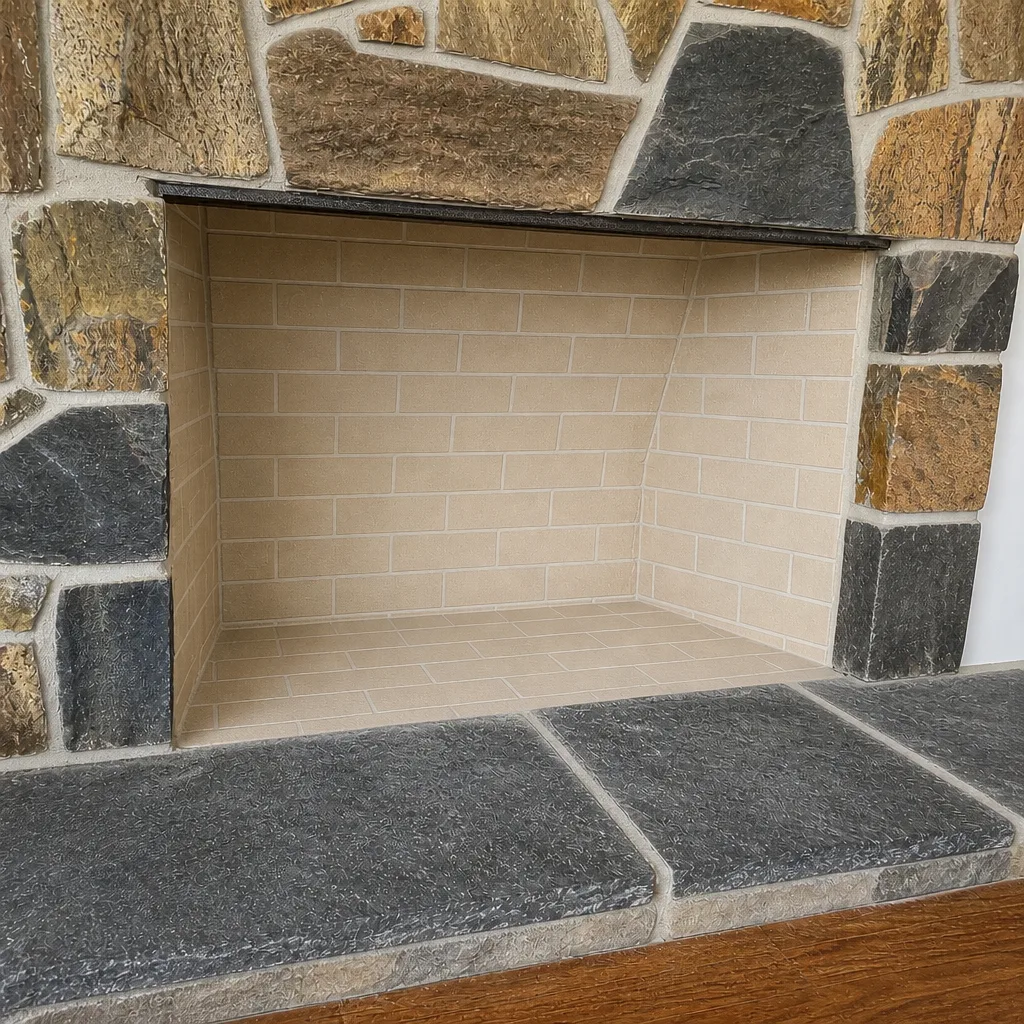
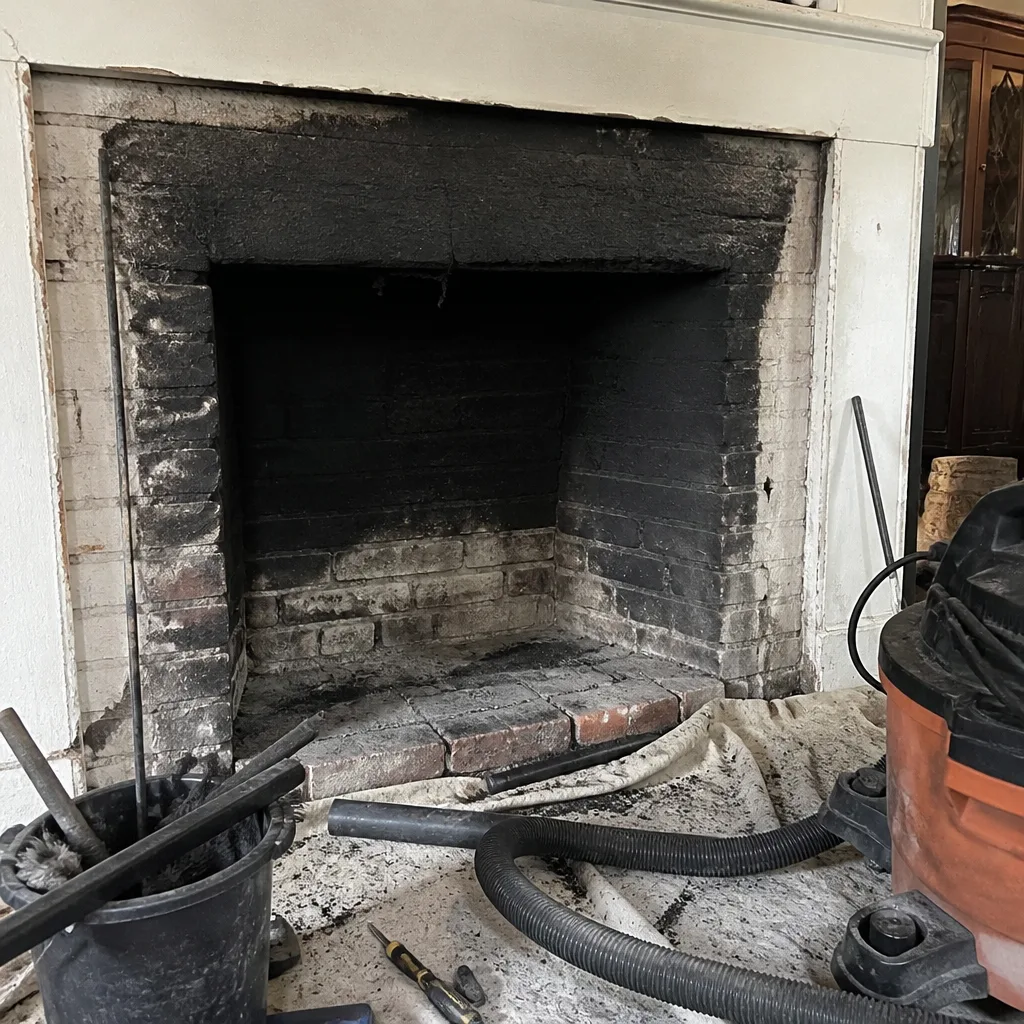
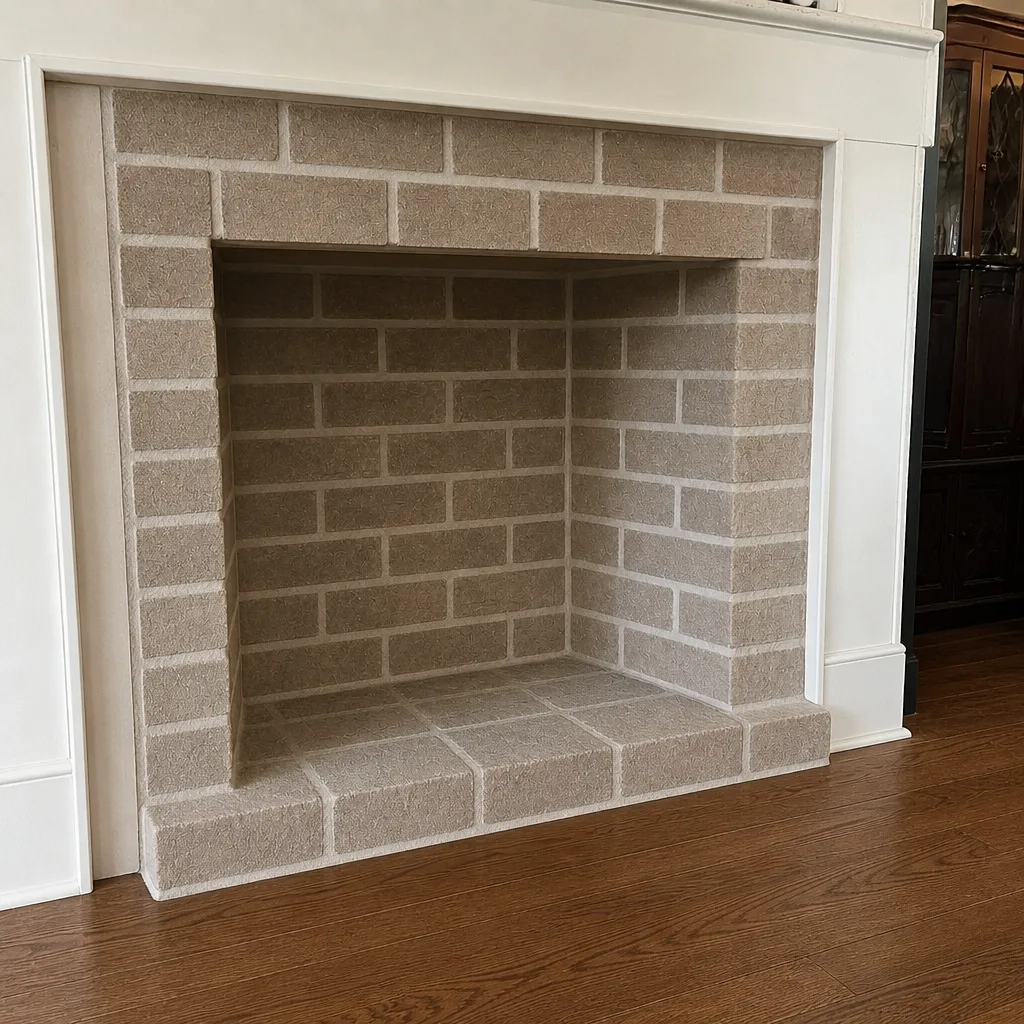
See the difference
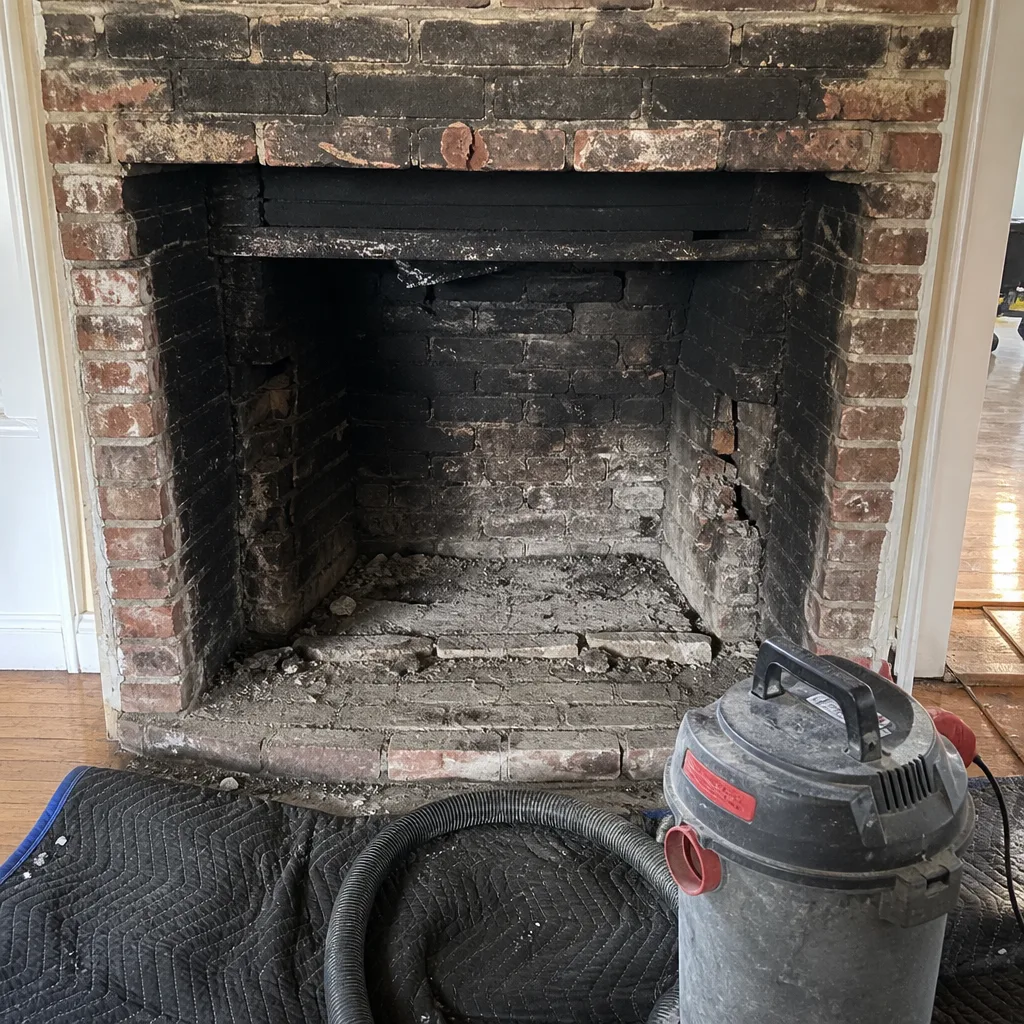 Before
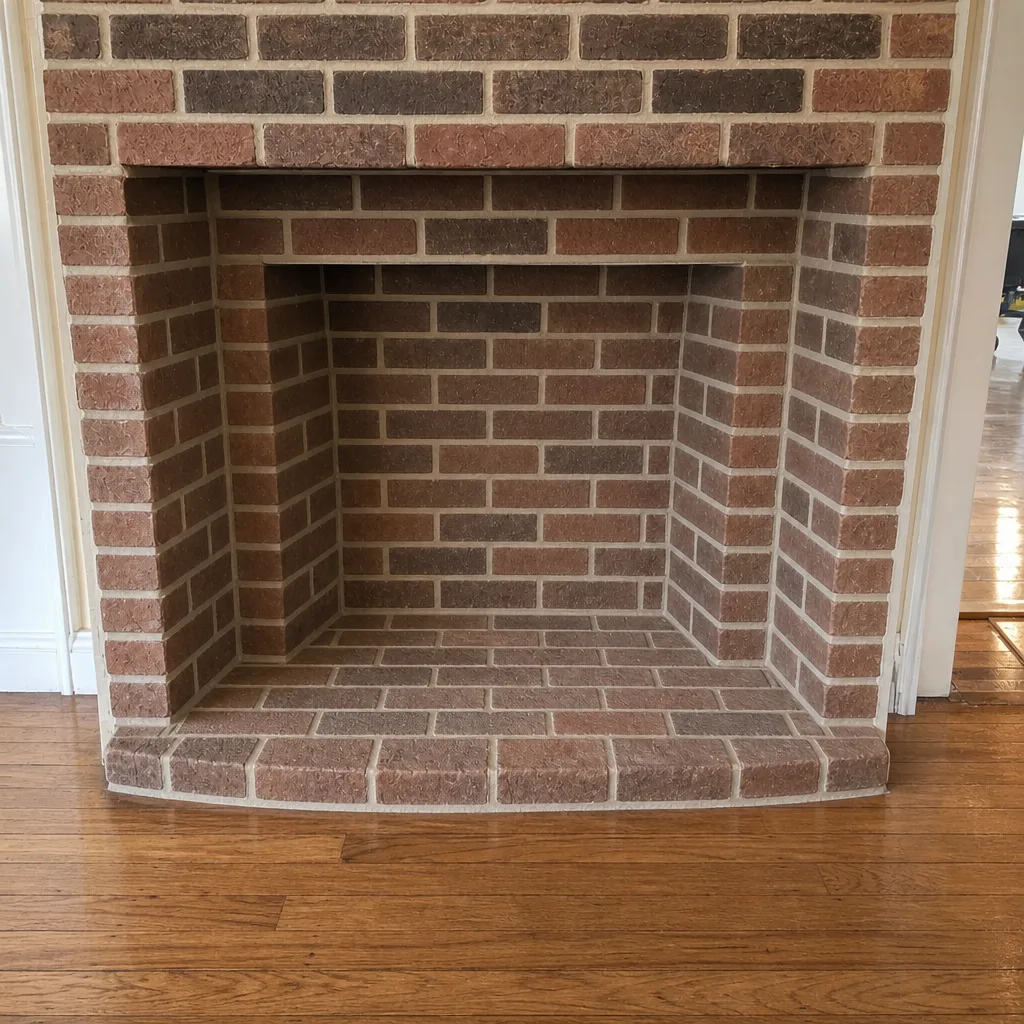 After
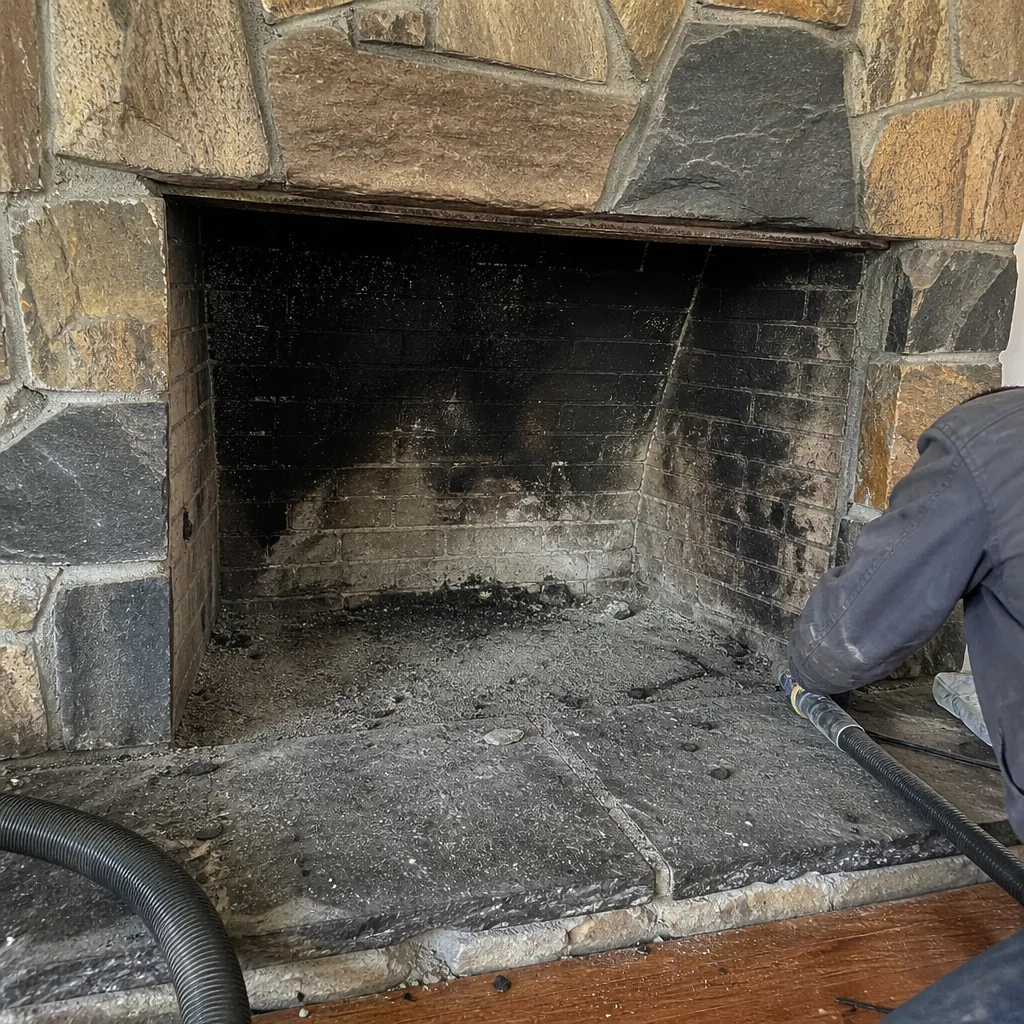 Before
 After
 Before
 After
When to Call a Professional
You should call a professional for anything involving the flue, the liner, the masonry, or the rooftop. These are not jobs for a general handyman. A cracked liner, glazed creosote, a failing crown, or a cap that’s come loose all involve either high temperatures or roof access, and both carry real risk to anyone without training. A chimney cap and crown can often be inspected and repaired in a single visit; a liner replacement and a partial rebuild can each require a longer, planned trip. Call if the fire won’t draft, if smoke enters the room, if you smell a fire when there isn’t one, if you’ve had a chimney fire, or if the liner has never been inspected. Chimney Sweep Williamsburg offers free estimates in Williamsburg, and we work with professional-grade materials like HeatShield and DuraFlex so the fix matches the problem. Call (855) 301-8570 for an exact quote and a written estimate.
Frequently Asked Questions
A chimney sweep in Williamsburg typically costs $175 to $350 for a standard single-flue cleaning, and a camera inspection adds $150 to $300. The written estimate sets the final price after the technician sees the rooftop access and the flue. Call (855) 301-8570 for an exact quote; estimates are free and we can often schedule you quickly.
Not always. The recommendation should only be made after a camera inspection shows a specific problem: a cracked tile, deteriorated liner material, or a gap in the flue that compromises integrity or draft. If a technician recommends a new liner without showing you the flue on screen, ask to see the video. HeatShield ceramic resurfacing can restore a deteriorated flue in some cases without a full replacement, which is a lower-cost option worth asking about before you commit to a reline.
A chimney that’s used regularly should be swept and inspected once a year, and more often if you burn heavily or notice any change in draft. A fireplace burning a few cords of wood seasonally is the typical case. The annual visit is a maintenance cost, and it’s the best way to keep the flue out of repair territory. Call (855) 301-8570 to schedule an inspection and find out if anything needs attention this year.
Creosote accumulates, glazes onto the flue, and becomes harder and more expensive to remove. Cracks in the flue tile can worsen, and a failing crown or a missing cap can let water into the masonry, which then compounds into structural repair. None of that happens on a fixed timeline, but the eventual liner-replacement or rebuild cost is significantly higher than the annual maintenance that would have prevented it.
Sometimes. A cap installation, a crown patch, a damper replacement, or a waterproofing treatment can often be handled during the same rooftop visit. A full liner replacement or a masonry rebuild generally needs a separate planned appointment. The written estimate tells you which is which, and it’s the right document to use when planning the work.
Freeze-thaw cycles in the region are the main factor. Water gets into masonry, freezes, expands, and over the years spalls the brick or cracks the crown. That’s why waterproofing treatment and an intact cap are worth prioritizing on a Williamsburg chimney. A well-fitted cap from a professional-grade brand and a sealed crown are among the most cost-effective repairs you can make for a masonry chimney. Chimney Sweep Williamsburg can assess both in a single rooftop visit.
The Bottom Line
The gap between a cheap chimney sweep and an expensive one is almost always scope. A line-item mentality is the best tool a homeowner has for comparing quotes, because it forces every company to state what’s included, what’s not, and what the written estimate covers. Williamsburg chimneys sit in old buildings with real rooftop access variables and a local labor market that shifts costs up, and a full-system view is what lets you evaluate any quote honestly. Nothing should be recommended without camera evidence, and work that can safely wait should be told to you plainly. Chimney Sweep Williamsburg provides five core services, from inspection through full repair, and we work with professional-grade brands like DuraFlex, HeatShield, and Gelco.
Call (855) 301-8570. We answer 24/7. Fast dispatch from 7am to 7pm, Sunday through Friday.
Written by the team at Chimney Sweep Williamsburg.