
Last updated November 22, 2026
 Sweep & inspection
 Caps & crowns
 Flue relining
 Masonry repair
 Gas fireplace service
Level 1 sweep and inspection to the NFPA 211 annual standard - flue, crown, cap, and flashing checked and photographed
Chimney sweep logs do not sweep chimneys. They loosen some creosote - which then falls where a brush and vacuum still have to collect it.
Chimney Cleaning Permits, Codes & Inspections in Williamsburg, NY: What You Need to Know
Here’s the part most homeowners get backwards: the cleaning itself is the easy half. Sweeping a flue doesn’t require a permit in New York City, and no inspector is going to knock on your door because someone ran a brush through your chimney. The permit question starts the moment the sweep looks up the flue, finds cracked tiles or a rusted damper, and recommends repair. That’s when liner relining, damper replacement and crown rebuilding cross from maintenance into construction work regulated by the NYC Department of Buildings. Plenty of Williamsburg homeowners have learned this the hard way, at a closing table or after a loss, when a contractor’s paperwork turned out to be thinner than promised. This guide walks through which chimney services need permits, which don’t, how inspection standards work inside the city’s fire code, and how to verify permits yourself before work starts.
Quick Answer
Routine chimney cleaning in Williamsburg doesn’t require a permit, and neither does a visual safety inspection. Structural chimney work does: relining a flue, rebuilding a crown, replacing a damper assembly or making masonry repairs generally falls under NYC Department of Buildings permitting, and the contractor pulling that permit is responsible for the filing. Any chimney professional working in Williamsburg should be able to tell you, before signing anything, whether your specific job needs a DOB permit and who is filing it.
Styles & brands we work with
- Sweep & inspection
- Caps & crowns
- Flue relining
- Masonry repair
- Gas fireplace service
Table of Contents
- Which chimney services need a permit in NYC?
- What counts as maintenance instead of construction?
- How does Local Law 11 intersect with chimney work?
- What does NFPA 211 require for inspections?
- How do you verify a contractor pulled the right permits?
- What’s the liability when unpermitted work is discovered?
- What happens at a home sale or insurance claim?
- Common mistakes to avoid
Which Chimney Services Need a Permit in NYC?
The short version: anything that alters the structure of the chimney or its venting system usually needs a DOB permit, while cleaning and inspection do not. The line isn’t arbitrary. New York City treats a chimney as part of the building’s structural and life-safety envelope, and work that changes how it performs has to be filed the same way you’d file for a structural alteration elsewhere in the building. Here’s how the categories usually break down:
- Chimney sweep and cleaning: no permit. It’s maintenance of an existing system, not an alteration.
- Level 1 visual inspection: no permit. This is a condition assessment, often done alongside a chimney sweep.
- Flue relining: typically permits required. Installing a stainless liner such as a DuraFlex flexible system changes the venting component and is normally filed as an alteration.
- HeatShield ceramic resurfacing: often permits required, depending on scope. Resurfacing a deteriorated flue liner is a repair to a structural component, and a contractor who treats it as “just a coating” is skipping a step.
- Crown rebuild or cap installation: permits often required, especially where masonry is being reconstructed. A simple cap installation on an existing crown is sometimes handled as minor work, but a rebuilt crown usually isn’t.
- Damper and firebox repair: depends on scope. Replacing a damper assembly can trigger a filing; patching firebrick may not.
We’re careful not to promise a universal answer here, because the DOB evaluates each filing on the scope described. What we can tell you is that a chimney professional should be able to point to the exact scope item that triggers the permit and explain who is filing it. If the answer is a shrug, that’s your signal. For homeowners in Williamsburg, the permits conversation should happen before any deposit changes hands, not after the scaffolding goes up.
What Counts as Maintenance Instead of Construction?
Maintenance keeps a system doing what it already does. Construction changes what the system is. That distinction is the whole ballgame when you’re deciding whether a permit is needed, and it’s the one most homeowners never hear explained. Cleaning removes creosote and soot from a flue that’s otherwise intact, so no permit. Inspection documents condition, so no permit. The minute the work changes the chimney’s materials, dimensions or structural components, you’ve crossed a line the city cares about.
Think about it as three buckets:
- Pure maintenance: sweeping, brushing, removing soot and creosote, cleaning the firebox, checking the cap is seated. No filing.
- Repair that may or may not need a filing: patching a small section of mortar, reseating a loose cap, replacing a firebox grate. Scope determines it, and your contractor should tell you which way it falls.
- Alteration that normally needs a filing: relining, crown reconstruction, damper replacement, structural masonry repair, any change to the flue’s venting path.
Where this gets murky in Williamsburg is the older housing stock. A lot of the neighborhood’s attached rowhouses and converted multi-family buildings have chimneys that were built long before current venting standards, and what looks like a small repair can reveal a flue that needs relining to be code-compliant at all. That’s not a contractor upselling. It’s the difference between putting a bandage on a system and bringing it up to the standard the building code expects. A chimney repair that includes relining is an alteration, and we say so plainly before work begins.
How Does Local Law 11 Intersect With Chimney Work?
Local Law 11, now formally part of the Facade Inspection and Safety Program, requires periodic inspection of exterior walls on buildings taller than six stories. On its face that sounds like a facade rule with nothing to do with your fireplace. In practice, chimneys on attached buildings, multi-story residential buildings and rooftop mechanical stacks sit inside the same exterior envelope the facade inspection covers. A crumbling crown or deteriorated chimney masonry is exactly the kind of condition a facade inspector flags, because it’s a falling-hazard and water-intrusion concern as much as a chimney concern.
For Williamsburg homeowners in larger buildings, that means a few practical things:
- If your building is subject to the Facade Inspection and Safety Program, chimney masonry visible from the exterior may already be documented in the building’s facade report. Ask the managing agent or board for it.
- Work performed on a chimney that shares a party wall with a neighboring building can require coordination beyond your own unit, especially on attached rowhouses.
- Scaffolding used for facade work is sometimes the same scaffolding a chimney contractor would need, so sequencing repairs with the building’s facade cycle can save real hassle.
- An unsafe condition reported by a facade inspector doesn’t fix itself. If the report names your chimney, treat it as a maintenance item with a deadline.
We walk through this with Williamsburg homeowners regularly, and the pattern is consistent: the chimney portion of a facade report gets filed away and forgotten until a homeowner calls us for a routine cleaning and finds out the crown has been failing for a few seasons. Reading that report early is cheaper than reading it late.
What Does NFPA 211 Require for Inspections?
NFPA 211, the national standard for chimneys, fireplaces, vents and solid-fuel appliances, defines three inspection levels. New York City’s fire code and building code incorporate that framework by reference in the way chimney and venting work is evaluated, so the levels aren’t just a trade convention: they’re the language an inspector, a contractor and a code official all use to describe the same condition. Knowing the three levels helps you tell whether the inspection you’re paying for actually covers what you need.
- Level 1: a visual check of readily accessible portions of the chimney and venting system, done during a routine annual service call. It’s appropriate when the appliance and system haven’t changed and there’s no known problem.
- Level 2: a more thorough inspection that includes accessible attic, crawlspace and other concealed areas, and is typically required when a system changes, a property changes hands, or after a chimney fire or other event. This is the inspection real-estate transactions and insurers usually want.
- Level 3: a diagnostic inspection that may require opening walls or removing components when a serious hazard is suspected and can’t be assessed any other way. It isn’t routine, and it’s never the first recommendation.
The level of inspection matters for permitting, too. A Level 2 inspection performed before a repair helps establish the pre-work condition, which protects you if a question ever arises about what was altered and when. When we recommend a repair in Williamsburg, we tie the recommendation to the inspection finding that prompted it, which is also why we offer inspection as a standalone service rather than only bundling it into a sweep. Homeowners, buyers, sellers and insurers all benefit from a documented inspection they can hold onto.
How Do You Verify a Contractor Pulled the Right Permits?
You verify it the same way the DOB does: look it up. New York City publishes permit filings and inspection records through its online building tools, and a legitimate contractor won’t be shy about pointing you at the record. The homeowner doesn’t need to become a permit expert; you need to confirm three things before work begins. First, that a permit exists and names the correct property address. Second, that the scope described on the filing matches the work the contractor quoted. Third, that the contractor’s name appears on the filing as the responsible party.
Here’s the sequence we recommend to every homeowner we work with in Williamsburg:
- Ask the contractor, in writing, whether the proposed scope requires a DOB permit and who will file it.
- Request the permit application number or filing reference before work starts.
- Look the address up in the DOB’s online records and confirm the permit is active and the scope matches.
- At completion, ask for the sign-off or inspection result so you have a closed record, not an open filing.
- Keep copies of the permit, the inspection report and the final sign-off together with your home documents.
Two red flags worth naming. A contractor who says “we don’t need a permit for that” without explaining why is giving you a sentence, not an answer. And a contractor who says they’ll “handle the paperwork later” after the work is done has usually just told you the filing isn’t part of the plan. Neither is acceptable on structural chimney work, and both are common enough that we hear about them from Williamsburg homeowners every season.
What’s the Liability When Unpermitted Repairs Are Discovered?
The liability lands on the property owner, regardless of who did the work. That’s the uncomfortable truth of unpermitted construction in New York City. The DOB’s records are attached to the building, not to the contractor, so when a repair is later discovered to have been done without a filing, the question of who authorized it becomes your problem to answer, not theirs. A contractor who has moved on or dissolved leaves the record exactly where it was.
What that exposure looks like in practice:
- A code enforcement action tied to the property, with the owner responsible for legalizing or removing the work.
- An insurance claim questioned or denied because the loss involved work that wasn’t permitted or inspected.
- A closing delayed or renegotiated because a buyer’s inspector found unpermitted alterations in the chimney or venting system.
- Difficulty proving the pre-loss condition of the chimney, which weakens your position in a dispute.
A flue fire is the event that surfaces all of this at once. The fire itself damages the liner; the paperwork question then determines whether the repair is covered and whether the building record is clean. We can work with your insurer on documentation, but we can’t manufacture a permit record that never existed. That’s why the filing conversation happens at estimate time in every Williamsburg job we quote.
What Happens at a Home Sale or Insurance Claim?
This is where the permit question stops being abstract. Buyers of Williamsburg rowhouses and converted multi-family buildings increasingly request a chimney inspection before closing, often a Level 2, and an inspector who finds evidence of recent structural chimney work will ask for the permit and sign-off. If the seller can’t produce them, the buyer’s attorney has a straightforward negotiating position: credit, escrow, or walk. The cost of legalizing after the fact usually exceeds what the permit would have cost upfront.
Insurance claims follow a similar logic. After a chimney fire or water intrusion tied to chimney masonry, the adjuster will want to know the condition of the system before the loss and whether prior work was permitted and inspected. A documented inspection history, with a report you can hand over, answers those questions quickly. A history of unpermitted alterations invites a longer, less friendly conversation.
For sellers, the practical move is to commission a standalone inspection before listing. It’s a reasonable expense, it gives you time to address findings on your own schedule, and it means the buyer’s inspection becomes a confirmation rather than a discovery. For buyers, an inspection before closing tells you whether you’re inheriting a maintained system or someone else’s deferred problem. Either way, the Chimney Sweep Williamsburg team can provide the inspection and the documentation trail in one visit.
Common Mistakes to Avoid
- Assuming a sweep’s verbal OK is a permit. A sweep saying “that’s fine, no permit needed” carries no weight with the DOB. Ask for the scope item in writing and verify the filing yourself.
- Skipping the filing to save time on a liner job. Relining a flue is normally a permitted alteration, and doing it without a filing is the single most common way Williamsburg homeowners end up with an open question at closing.
- Ignoring the chimney section of a facade report. If your building’s Local Law 11 report names chimney masonry, that finding has a date on it. Treat it as a maintenance item, not a note to file away.
- Accepting a repair recommendation with no inspection behind it. Nothing should be recommended without evidence you can see, and a Level 2 inspection is usually the right basis for a structural repair recommendation.
- Treating crown damage as cosmetic. A failing crown lets water into the masonry, which is how a small repair grows into a rebuild. It’s also the condition facade inspectors flag most often on Williamsburg rowhouse chimneys.
- Not keeping the paperwork. The permit, the inspection report and the sign-off all belong with your home documents. A claim or a sale years later goes much more smoothly with them in hand.
- Using a contractor who won’t name the scope in writing. If the quote doesn’t say relining, crown rebuild or damper replacement specifically, you don’t have a scope, you have a number.
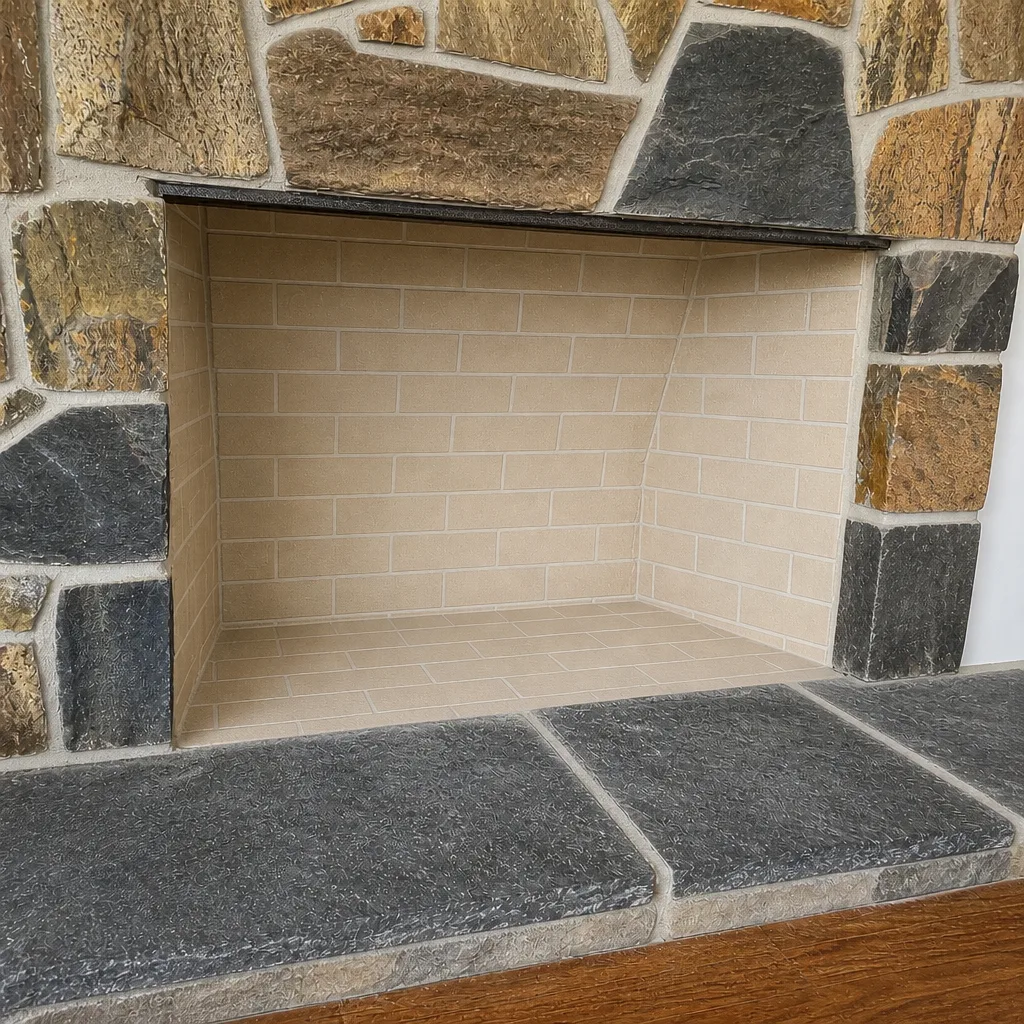
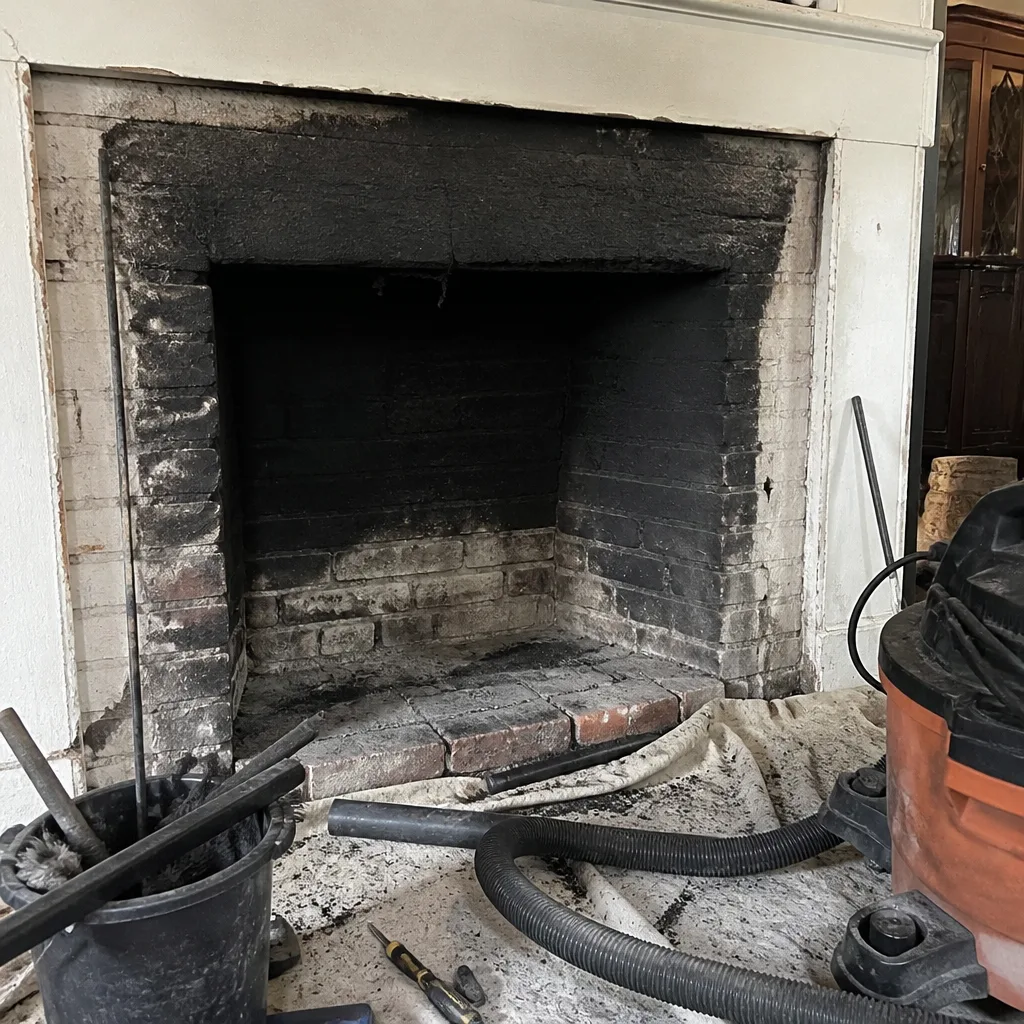
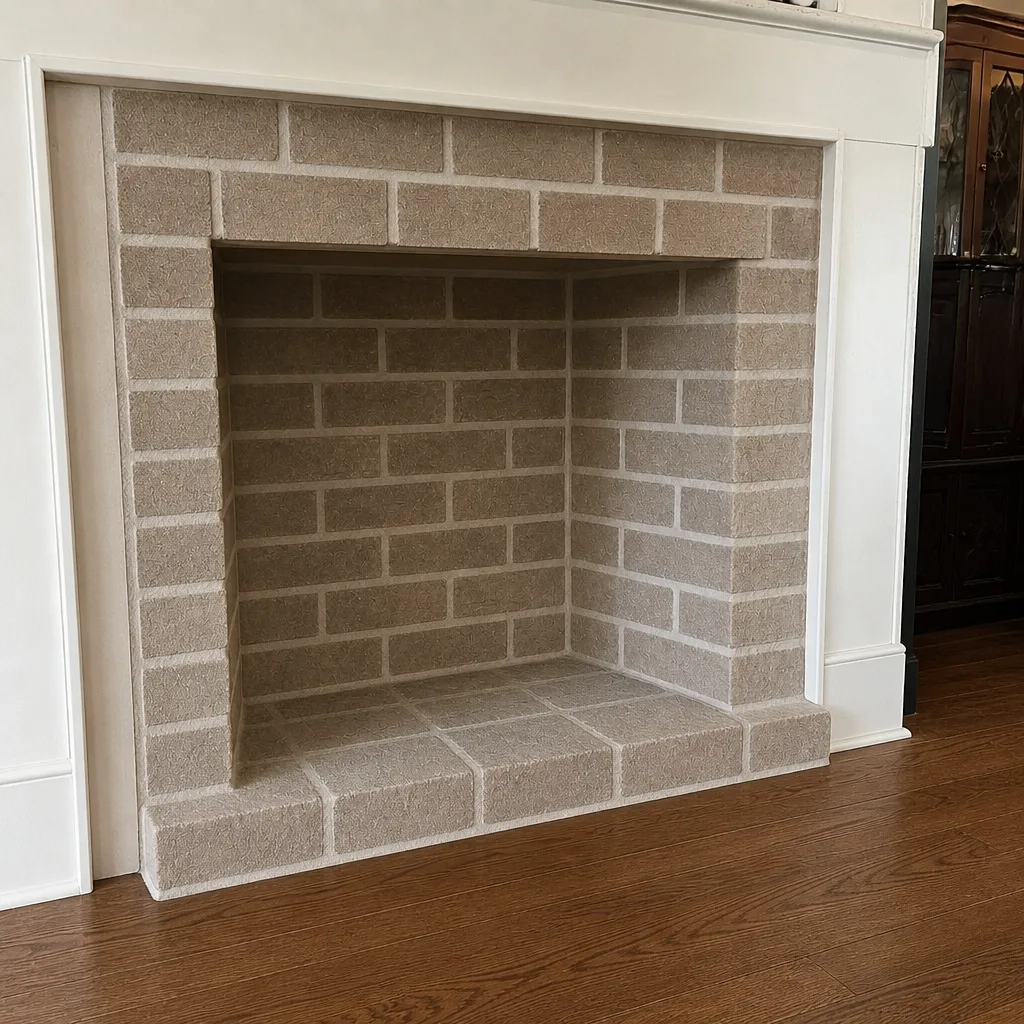
See the difference
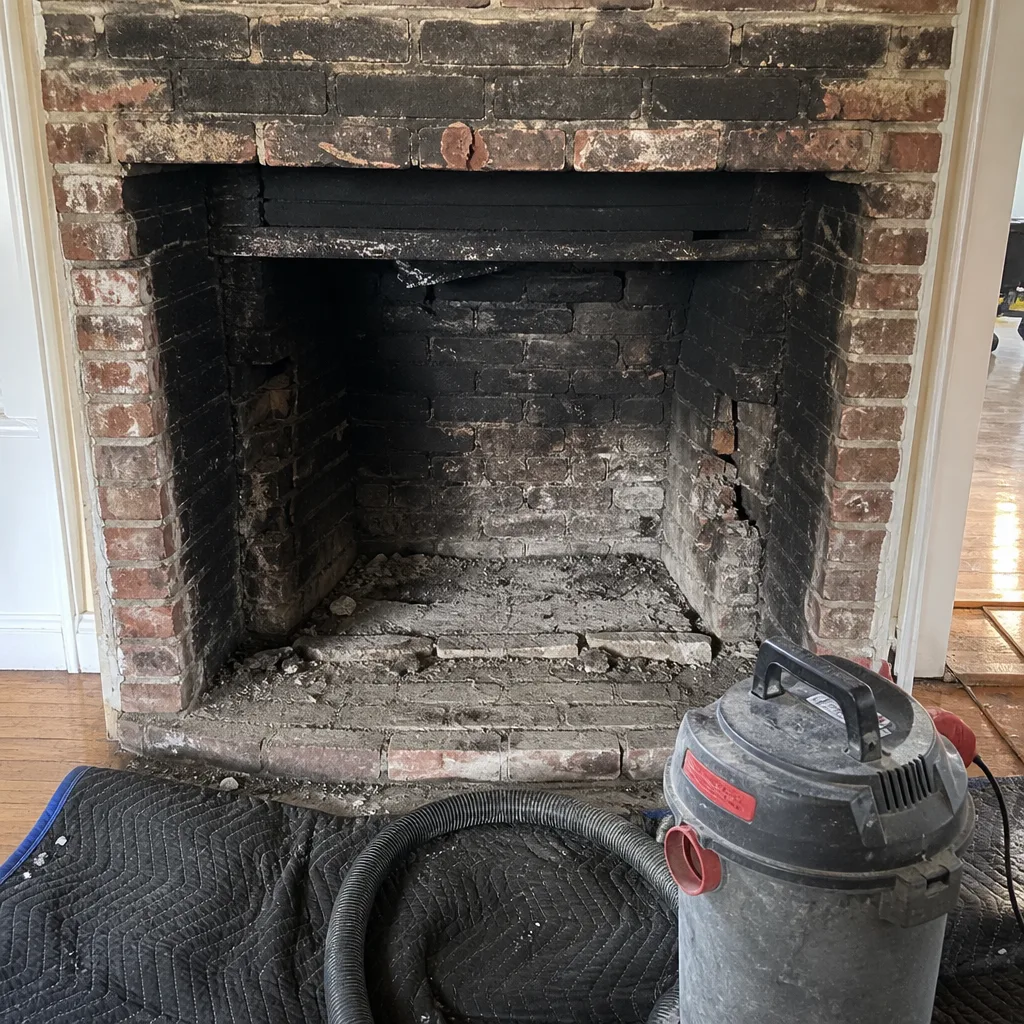 Before
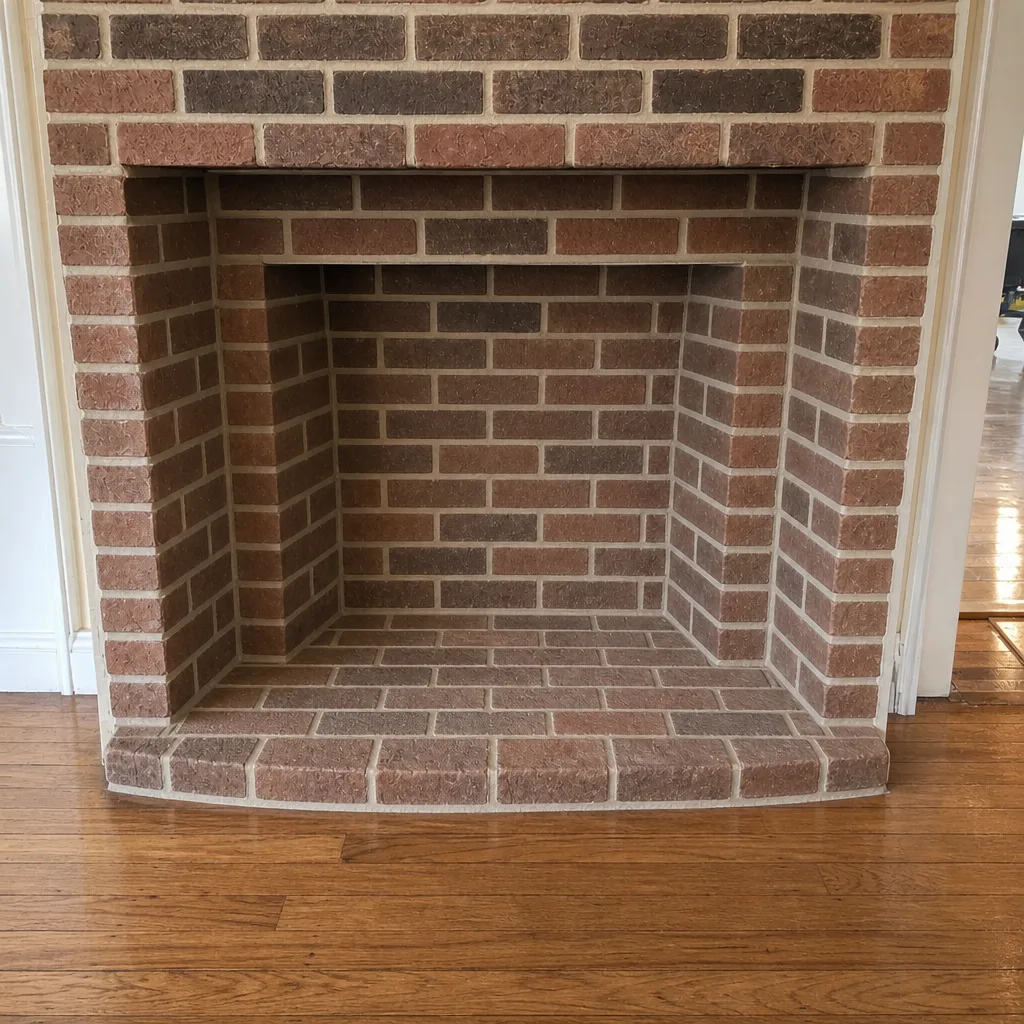 After
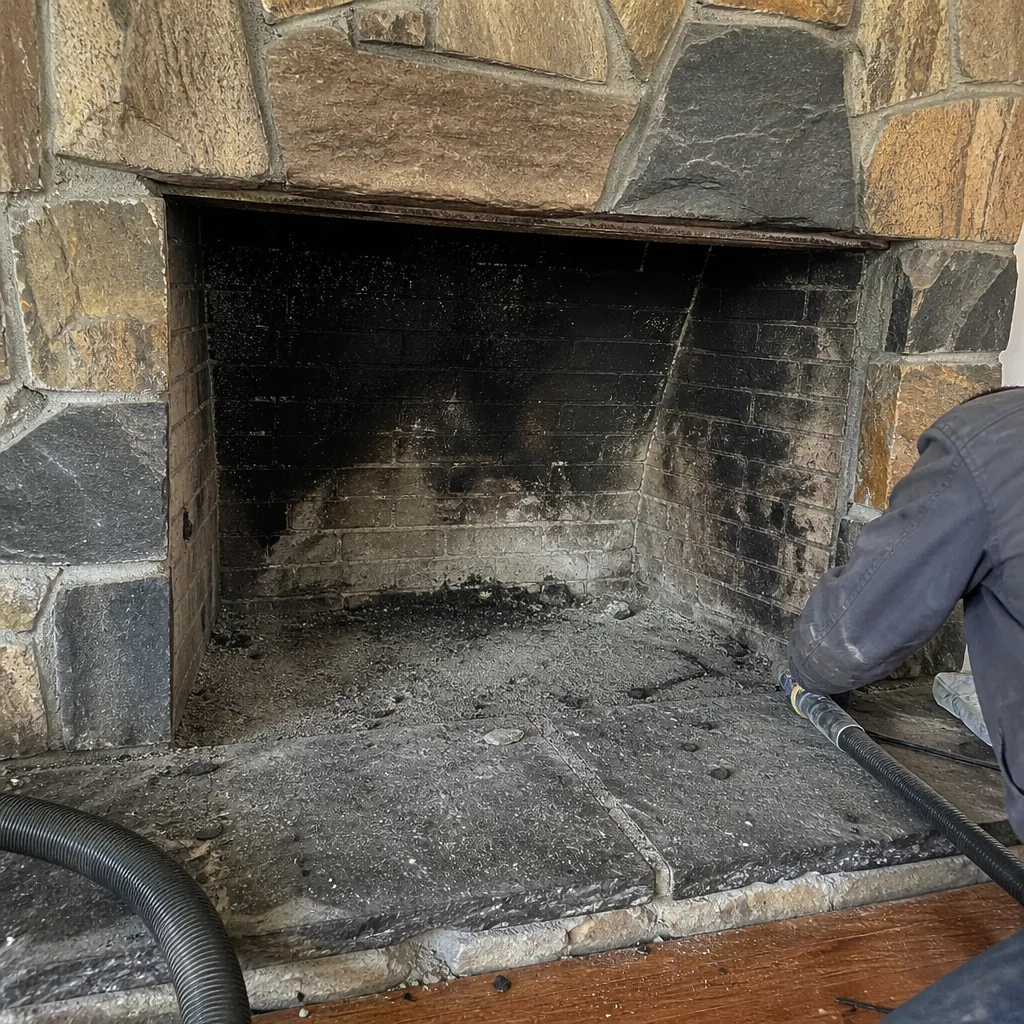 Before
 After
 Before
 After
When to Call a Professional
Call before you schedule any structural chimney work, not after. If a contractor has recommended relining, crown reconstruction or damper replacement, that’s the moment to get a written scope and confirm the permit question in writing. Call if you’ve bought or are selling a Williamsburg home and the chimney’s history is undocumented, or if your insurer has asked for inspection records. Call if a facade report or building manager has flagged chimney masonry on your building. Call if it’s been more than a year since the last cleaning and you burn regularly, since creosote accumulates with every fire. And call if you smell smoke in the house when the fireplace isn’t running, which points to a venting or draft problem rather than a cleaning issue.
Chimney Sweep Williamsburg offers free estimates in Williamsburg. Call (855) 301-8570. We answer 24/7. Fast dispatch from 7am to 7pm, Sunday through Friday. Our technicians have up to 12 years of experience, and we work with professional-tier materials including DuraFlex liners, HeatShield ceramic resurfacing and Copperfield components. From the sweep through chimney cap & crown work to full structural repair, we inspect every component of the system and tell you what we find and why it matters. If the work can safely wait, we’ll say so.
Frequently Asked Questions
No. Routine chimney cleaning in Williamsburg is maintenance and doesn’t require a DOB permit. Neither does a visual safety inspection. Permits come into play when the scope shifts to structural work like relining, crown rebuilding or damper replacement, and a contractor should tell you clearly which category your job falls into before starting. Call (855) 301-8570 for an exact quote – estimates are free.
Usually yes. Installing a stainless liner, including a flexible DuraFlex system, is normally treated as an alteration to the venting system rather than maintenance, and alterations are filed with the NYC Department of Buildings. HeatShield ceramic resurfacing often falls the same way depending on scope. Ask the contractor who is filing and confirm the filing before work begins. Call (855) 301-8570 and we’ll walk through your specific scope.
Look up the property address in the DOB’s online records and confirm three things: a permit exists, the scope matches your quoted work, and the contractor is named as the responsible party. Ask for the permit application reference before work starts and the final sign-off when it’s done. A contractor who can’t or won’t provide that reference is the answer you need. Call (855) 301-8570 for a free estimate.
A Level 2 inspection is typically what buyers, sellers and insurers want, because it covers accessible concealed areas and is the standard for a property transaction. A Level 1 visual inspection suits routine annual service. A Level 3 diagnostic is reserved for suspected serious hazards that can’t be assessed otherwise. We offer standalone inspections for exactly these situations. Call (855) 301-8570 for an exact quote – estimates are free.
Yes, it can. Insurers look at prior condition and whether work was permitted and inspected when evaluating a chimney fire or water-intrusion loss, and unpermitted alterations can complicate or delay a claim. A documented inspection history and permit record make the conversation much easier. Call (855) 301-8570 and we can review what documentation your chimney currently has.
Not in itself. Local Law 11 governs facade inspection on buildings above six stories, but chimney masonry on attached and multi-story buildings often shows up in those reports because it sits within the exterior envelope. If a facade report names your chimney, treat that finding as a maintenance item with a deadline. Call (855) 301-8570 for a free estimate on addressing it.
The Bottom Line
Sweeping is maintenance and needs no permit. Structural chimney work, meaning relining, crown rebuilding, damper replacement and masonry repair, generally does, and the filing belongs to the contractor you hired. Verify it yourself through the DOB’s online records before work starts, keep the permit and inspection paperwork with your home documents, and don’t let a facade report’s chimney findings sit unresolved. The inspection framework under NFPA 211 tells you which level of assessment your situation calls for, whether that’s routine service or a home sale. None of this is difficult, but all of it depends on a contractor who is willing to put the scope and the filing in writing. That’s the standard we hold ourselves to on every chimney in Williamsburg.
Written by the team at Chimney Sweep Williamsburg.